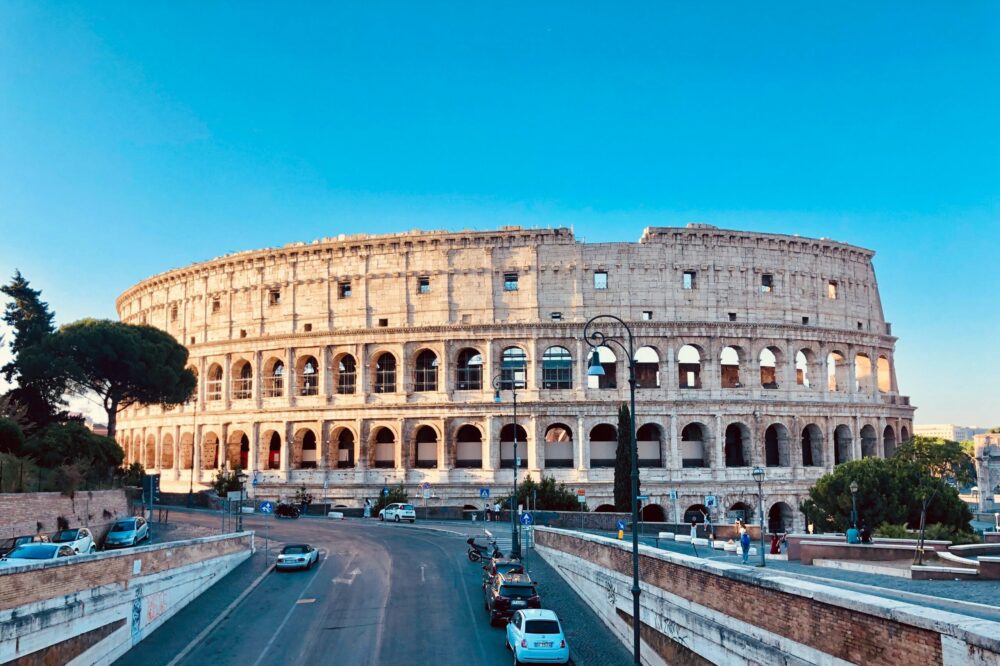
Rome, the Eternal City, is famed for iconic landmarks like the Colosseum, Vatican City, and Trevi Fountain. While these attractions are must-sees, they often draw massive crowds, overshadowing the city’s quieter, equally captivating treasures. For travelers seeking a more intimate and authentic experience, discovering Rome’s hidden gems and lesser-known sites offers a unique glimpse into its rich history, art, and culture. This guide delves into the top hidden gems in Rome, providing insights into spots that escape the typical tourist radar but are well worth your time.
Table des matières:
Why Explore Rome’s Hidden Gems?
Venturing beyond Rome’s famous sites allows you to experience the city like a local. These lesser-known spots often feature fewer crowds, lower costs, and a deeper connection to Rome’s layered past. From ancient ruins tucked away in residential areas to serene gardens and underground crypts, these hidden gems reveal stories that mainstream attractions might miss. By focusing on what are the top hidden gems or lesser-known sites in Rome, you can craft a personalized itinerary that balances well-known wonders with secret discoveries.
Top Hidden Gems in Rome’s Historic Center
The historic center of Rome is a UNESCO World Heritage site, but it holds many secrets beyond the Pantheon and Piazza Navona. Here are some standout lesser-known sites.
Chiesa di Sant’Ivo alla Sapienza
Nestled near Piazza Navona, this Baroque church is a masterpiece by Francesco Borromini. Its unique spiral dome and intricate architecture make it a hidden gem for art and history enthusiasts. Unlike the crowded nearby attractions, it offers a peaceful retreat.
Keyhole of the Aventine Hill
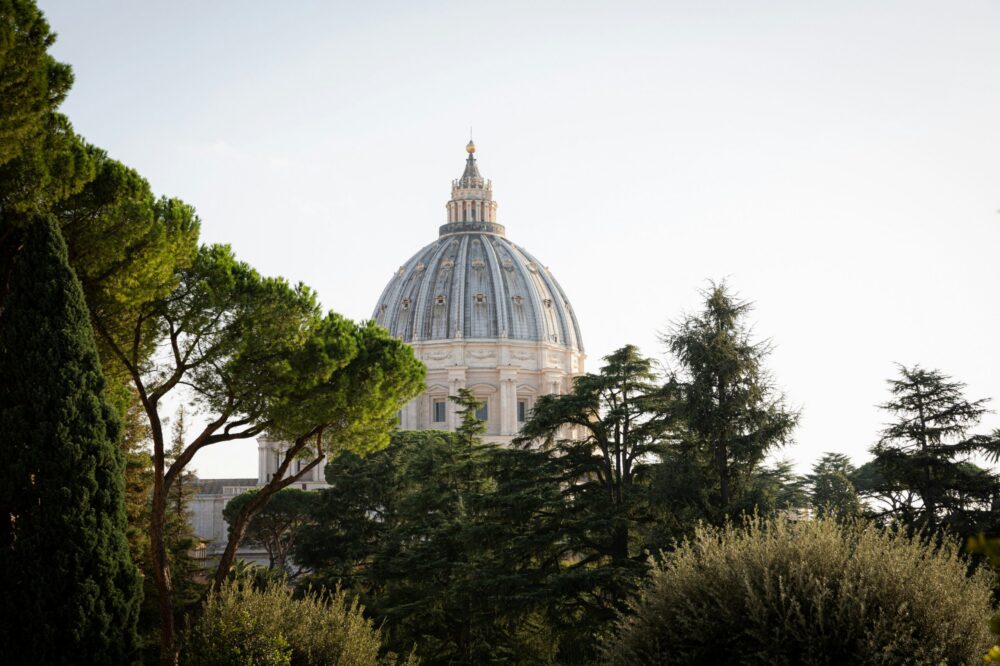
On the Aventine Hill, a nondescript keyhole in the Priory of the Knights of Malta provides a stunning framed view of St. Peter’s Basilica. This spot is a favorite among photographers and those seeking a quiet moment away from the hustle.
- Location: Aventine Hill, near the Orange Garden.
- Best time to visit: Early morning to avoid lines.
- Why it’s a hidden gem: Offers a unique perspective on Rome’s skyline.
Lesser-Known Sites in Rome’s Ancient Ruins
Rome’s ancient ruins extend far beyond the Roman Forum. Explore these overlooked sites for a deeper dive into antiquity.
Baths of Caracalla
While not entirely unknown, the Baths of Caracalla are often overshadowed by the Colosseum. These well-preserved ruins showcase the grandeur of Roman public baths, with sprawling structures and mosaics. They provide a quieter alternative to more crowded ancient sites.
Domus Aurea
Emperor Nero’s Golden House, or Domus Aurea, is an underground archaeological site that requires advance booking. Its frescoes and history offer a glimpse into imperial extravagance, making it a top hidden gem for history buffs.
- Highlights: Virtual reality tours available.
- Access: Limited entry; book tickets online.
- Tip: Combine with a visit to nearby Colle Oppio Park.
Hidden Gems in Rome’s Neighborhoods
Rome’s diverse neighborhoods, such as Trastevere and Testaccio, are treasure troves of lesser-known sites. These areas blend local life with historical charm.
Villa Farnesina in Trastevere
This Renaissance villa in Trastevere houses stunning frescoes by Raphael and other masters. It’s less frequented than major museums, allowing for a leisurely appreciation of art in an intimate setting.
Protestant Cemetery in Testaccio
Also known as the Non-Catholic Cemetery, this serene burial ground is the resting place of poets like John Keats and Percy Bysshe Shelley. Its peaceful atmosphere and sculptural tombs make it a reflective hidden gem.
Secret Churches and Religious Sites
Rome is home to over 900 churches, many of which are hidden gems with remarkable art and architecture.
San Clemente Basilica
This basilica offers a vertical journey through history, with layers from a 12th-century church, a 4th-century basilica, and a 1st-century Mithraeum underground. It’s a lesser-known site that vividly illustrates Rome’s historical depth.
Chiesa di Santa Maria della Vittoria
Famous for Bernini’s Ecstasy of Saint Teresa, this church near Termini Station is often overlooked by tourists. Its Baroque interior is a masterpiece worth exploring for art lovers.
- Why visit: Intimate setting with world-class art.
- Nearby: Close to other hidden gems like Palazzo Barberini.
- Access: Free entry; modest dress required.
Quiet Gardens and Outdoor Spaces
Escape the city’s noise in these hidden green spaces, perfect for relaxation and contemplation.
Orto Botanico di Roma
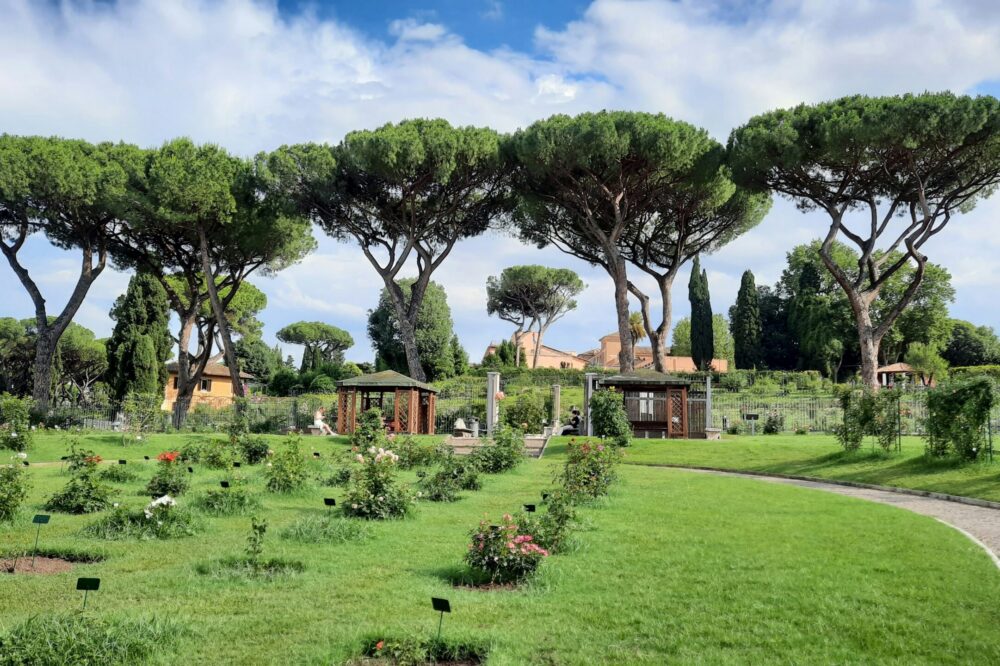
Rome’s botanical garden, located in Trastevere, features diverse plant collections, greenhouses, and tranquil paths. It’s a peaceful retreat from urban crowds.
Villa Doria Pamphilj
As Rome’s largest public park, Villa Doria Pamphilj offers expansive lawns, fountains, and historic villas. It’s ideal for picnics, walks, and discovering lesser-known architectural elements.
Underground and Catacomb Experiences
Delve beneath Rome’s surface to explore ancient catacombs and underground ruins, some of the city’s most intriguing hidden gems.
Catacombs of San Sebastiano
Less crowded than the Catacombs of San Callisto, these catacombs on the Appian Way provide a fascinating look into early Christian burial practices and art.
Basilica di San Crisogono
This church in Trastevere has an underground section with ruins from a 5th-century basilica, offering a glimpse into Rome’s layered past without the tourist throngs.
- Best for: History enthusiasts and off-the-beaten-path explorers.
- Guided tours: Often available for deeper insights.
- Combination tip: Pair with a walk along the Appian Way.
Practical Tips for Discovering Rome’s Hidden Gems
To make the most of your search for what are the top hidden gems or lesser-known sites in Rome, consider these tips.
- Plan ahead: Some sites require reservations or have limited hours.
- Use local guides: They can provide context and access to secret spots.
- Explore on foot: Many hidden gems are tucked away in alleys or neighborhoods best discovered by walking.
- Visit off-peak: Early mornings or weekdays reduce crowds even at popular hidden sites.
- Stay curious: Don’t hesitate to wander off main streets; serendipitous finds often make the best memories.
Conclusion
Rome’s allure extends far beyond its iconic landmarks, with a wealth of hidden gems and lesser-known sites waiting to be explored. From secret churches and ancient ruins to tranquil gardens and underground catacombs, these spots offer a richer, more personal experience of the Eternal City. By seeking out what are the top hidden gems or lesser-known sites in Rome, you can avoid crowds, delve deeper into history, and create unforgettable travel memories. Whether you’re a first-time visitor or a seasoned traveler, incorporating these treasures into your itinerary will reveal a side of Rome that many miss, making your journey truly unique.
Photo by Mike Swigunski on Unsplash