Table des matières:
Introduction
France has long been celebrated as a global epicenter of architectural brilliance, blending centuries of history with cutting-edge innovation. As we look ahead to 2026, the country continues to captivate visitors with its diverse array of structures, from ancient Roman ruins to futuristic sustainable designs. This guide explores the top architectural wonders in France for 2026, offering insights into must-see landmarks that showcase the nation’s rich heritage and forward-thinking vision. Whether you’re planning a trip or simply admiring from afar, these marvels represent the pinnacle of French artistry and engineering.
Historic Architectural Wonders
France’s historic architecture tells the story of its cultural evolution, with each era leaving a distinct imprint on the landscape. These timeless structures remain essential visits for 2026.
Notre-Dame Cathedral, Paris
Following its devastating fire in 2019, Notre-Dame Cathedral is undergoing a meticulous restoration set for completion by 2024, with the site fully accessible to visitors by 2026. This Gothic masterpiece, dating back to the 12th century, symbolizes resilience and architectural grandeur. Key features to admire include its flying buttresses, rose windows, and the rebuilt spire. The restoration project itself is a modern marvel, employing traditional techniques alongside advanced technology.
Palace of Versailles
The Palace of Versailles remains a quintessential example of French Baroque architecture and opulence. Originally a hunting lodge, it was transformed by Louis XIV into a symbol of absolute monarchy. For 2026, visitors can explore:
- The Hall of Mirrors, with its 357 mirrors and ceiling paintings
- The expansive gardens designed by André Le Nôtre
- The Grand Trianon and Petit Trianon retreats
- Ongoing restoration projects that reveal new details annually
Versailles continues to inspire with its scale and artistry, making it a top architectural wonder in France for 2026.
Mont-Saint-Michel Abbey
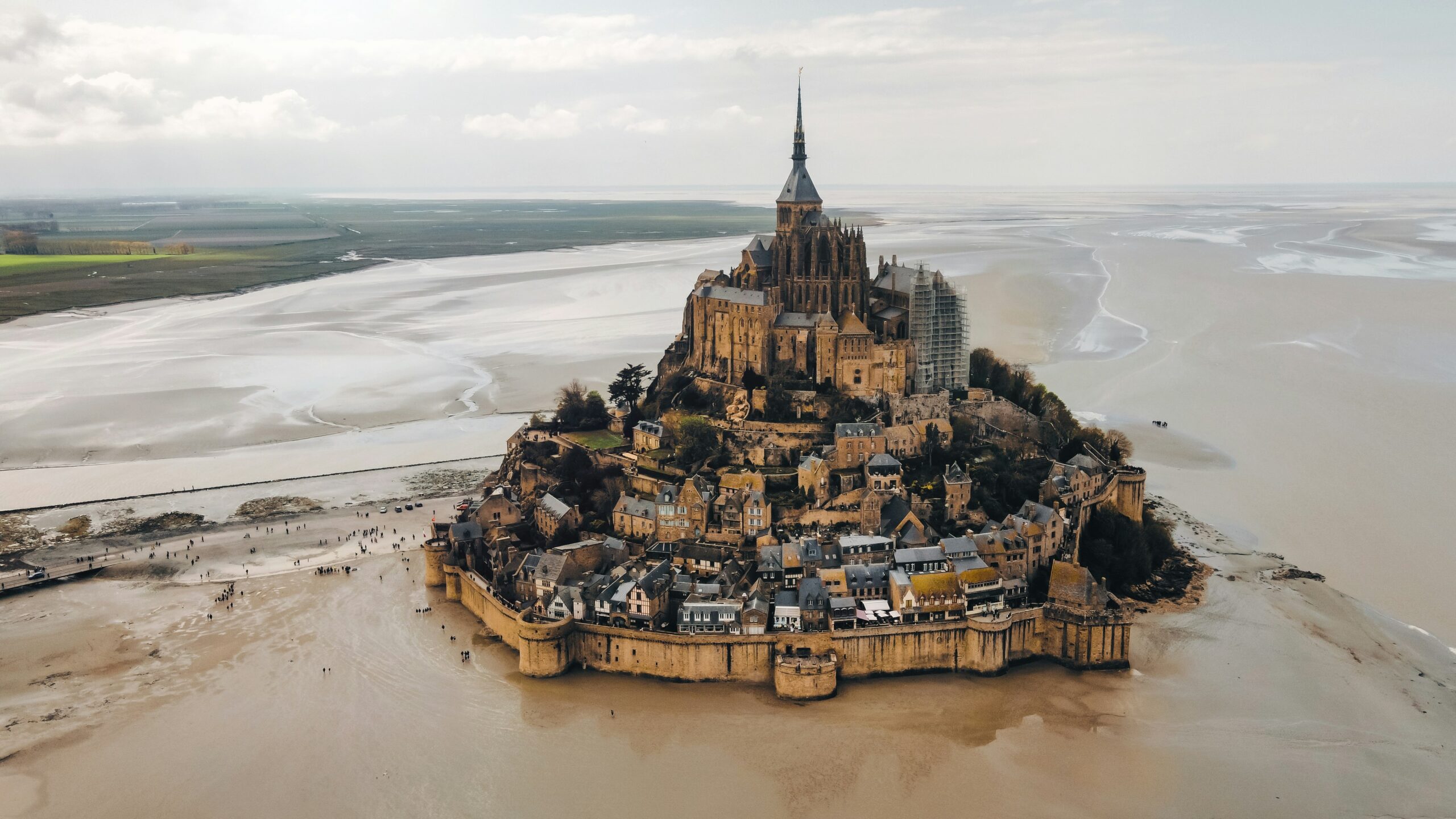
Perched on a rocky island in Normandy, Mont-Saint-Michel Abbey is a medieval architectural feat. Its construction, beginning in the 8th century, showcases Romanesque and Gothic styles. The abbey’s strategic location and vertical design demonstrate ingenious adaptation to challenging terrain. Recent preservation efforts ensure its stability against coastal erosion, securing its status as a UNESCO World Heritage site for future generations.
Modern and Contemporary Marvels
France’s architectural innovation extends into the modern era, with bold designs that push boundaries. These contemporary wonders are essential viewing for 2026.
Louvre Pyramid, Paris
Designed by I.M. Pei and completed in 1989, the Louvre Pyramid is a striking contrast to the historic palace it serves. This glass and metal structure functions as the museum’s main entrance, blending modernist minimalism with classical surroundings. Its geometric precision and transparency create a dynamic interplay of light and space. As the Louvre continues to expand its collections, the pyramid remains a symbol of architectural dialogue between old and new.
Fondation Louis Vuitton, Paris
Frank Gehry’s Fondation Louis Vuitton, opened in 2014, is a masterpiece of contemporary architecture. Located in the Bois de Boulogne, its design resembles a glass sailboat, with 12 glass sails supported by wooden beams. The building houses modern art exhibitions and cultural events. For 2026, it represents the ongoing evolution of French architectural daring, emphasizing fluid forms and sustainable materials.
Philharmonie de Paris
Jean Nouvel’s Philharmonie de Paris, inaugurated in 2015, redefines concert hall design. Its metallic, asymmetrical exterior evokes a mountainous landscape, while the interior offers exceptional acoustics. The venue hosts symphonic performances and educational programs. As a cultural hub in the Parc de la Villette, it exemplifies how architecture can enhance communal experiences through innovative design.
Sustainable and Futuristic Projects
Looking toward 2026, France is embracing sustainable architecture that addresses environmental challenges. These projects highlight the country’s commitment to green innovation.
Tour Triangle, Paris
Scheduled for completion by 2026, Tour Triangle is a 180-meter-tall triangular skyscraper in Paris’s Porte de Versailles district. Designed by Herzog & de Meuron, it will feature office spaces, a hotel, and cultural venues. Its energy-efficient design includes solar panels, natural ventilation, and green roofs. Tour Triangle aims to set a new standard for eco-friendly high-rises in urban settings.
EuropaCity (Revised Project)
While the original EuropaCity plan was canceled, a revised sustainable development project is emerging in the Gonesse region near Paris. Expected to advance by 2026, this initiative focuses on mixed-use spaces with an emphasis on renewable energy and green transport. Architectural plans prioritize low-carbon materials and biodiversity integration, reflecting France’s shift toward regenerative design.
Smart Cities in Bordeaux and Lyon
Bordeaux and Lyon are leading France’s smart city movements, with architectural projects that incorporate IoT technology and sustainable practices. Key features include:
- Energy-positive buildings that generate more power than they consume
- Green corridors and urban farming spaces
- Adaptive reuse of historic structures for modern needs
- Pedestrian-friendly designs that reduce car dependency
These initiatives position France at the forefront of sustainable urban planning for 2026 and beyond.
Regional Architectural Gems
Beyond Paris, France’s regions boast unique architectural wonders that deserve attention in 2026. These sites offer diverse styles and historical contexts.
Roman Amphitheater of Nîmes
One of the best-preserved Roman amphitheaters in the world, the Arena of Nîmes dates to 70 AD. It still hosts concerts and events, demonstrating its enduring functionality. Recent restoration work ensures its structural integrity, allowing visitors to appreciate its arched facades and sophisticated engineering. This monument highlights France’s ancient architectural legacy.
Strasbourg Cathedral
Strasbourg Cathedral, with its single spire reaching 142 meters, is a landmark of Gothic architecture in Alsace. Its intricate facade features hundreds of sculptures, and its astronomical clock is a marvel of medieval mechanics. The cathedral’s pink sandstone gives it a distinctive hue that changes with the light. As a symbol of Franco-German cultural exchange, it remains a must-see for 2026.
Villa Cavrois, Croix
Designed by Robert Mallet-Stevens in 1932, Villa Cavrois is a masterpiece of Modernist architecture in northern France. Restored and opened to the public in 2015, it showcases clean lines, geometric forms, and innovative use of materials like concrete and glass. The villa’s integration with its landscaped gardens reflects the era’s emphasis on harmony between architecture and nature.
Planning Your Visit in 2026
To fully experience the top architectural wonders in France for 2026, consider these practical tips:
- Book tickets in advance for popular sites like Notre-Dame and Versailles to avoid long queues.
- Check for special exhibitions or events at modern venues like Fondation Louis Vuitton.
- Explore beyond Paris to discover regional gems such as Nîmes or Strasbourg.
- Use France’s efficient rail system to travel between cities sustainably.
- Consider guided tours for in-depth insights into architectural history and techniques.
By planning ahead, you can immerse yourself in France’s architectural diversity and innovation.
Conclusion
France’s architectural landscape for 2026 offers a compelling blend of historic preservation and contemporary innovation. From the restored Notre-Dame Cathedral to the emerging Tour Triangle, these wonders illustrate the nation’s enduring commitment to artistic excellence and sustainable progress. Whether you’re drawn to medieval abbeys, modernist villas, or futuristic smart cities, France provides a rich tapestry of structures that inspire and educate. As you explore these top architectural wonders in France for 2026, you’ll witness the dynamic interplay between past, present, and future that defines this iconic destination. Start planning your journey to experience these marvels firsthand.
Photo by Márcio Pêgo on Unsplash