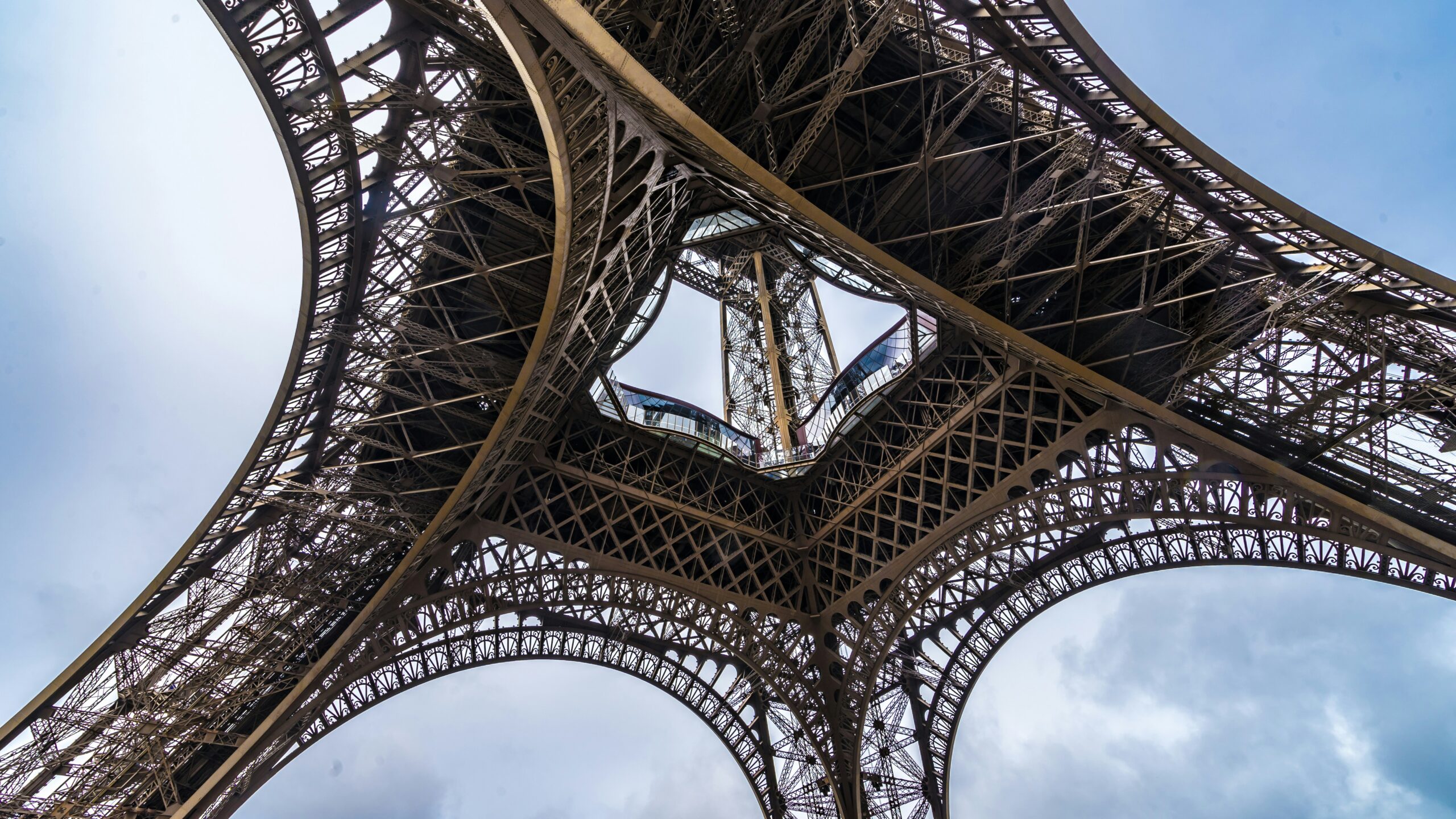
When travelers think of Paris architecture, the Eiffel Tower instantly comes to mind. While this iconic structure deserves its fame, Paris boasts a wealth of architectural marvels that showcase centuries of innovation, artistry, and cultural evolution. From Gothic cathedrals that pierce the sky to contemporary designs that redefine urban spaces, the city offers a breathtaking journey through architectural history. This guide explores the top architectural marvels in Paris beyond the Eiffel Tower, revealing masterpieces that every visitor should experience.
Table des matières:
Gothic Grandeur: Medieval Masterpieces
Paris’s architectural legacy begins with its medieval wonders, where stone and faith combined to create structures of enduring beauty.
Notre-Dame Cathedral
Notre-Dame Cathedral stands as a pinnacle of French Gothic architecture. Though damaged in the 2019 fire, its restoration continues, and its historical significance remains undiminished. Completed in the 14th century, the cathedral features:
- Flying buttresses that revolutionized cathedral design
- Stunning rose windows with intricate stained glass
- Gargoyles and chimeras that adorn the façade
When considering architectural marvels in Paris beyond the Eiffel Tower, Notre-Dame represents medieval engineering at its finest.
Sainte-Chapelle
Tucked within the Palais de la Cité, Sainte-Chapelle offers one of Paris’s most breathtaking interiors. Built in the 13th century to house religious relics, this Gothic chapel features walls of stained glass that create a kaleidoscope of light. The 15-meter-high windows depict biblical scenes with astonishing detail, making it a masterpiece of medieval craftsmanship.
Renaissance and Classical Elegance
As Paris evolved, architectural styles shifted toward symmetry, proportion, and classical inspiration.
The Louvre Palace
While the Louvre Museum houses priceless art, the building itself is an architectural treasure. Originally a medieval fortress, it transformed into a Renaissance palace under François I. The iconic glass pyramid, added in 1989 by I.M. Pei, creates a striking contrast between old and new. This blend of historical and modern elements makes the Louvre a key destination among architectural marvels in Paris beyond the Eiffel Tower.
Place des Vosges
In the Marais district, Place des Vosges represents Paris’s first planned square. Completed in 1612, its symmetrical red-brick buildings with slate roofs showcase early French classical architecture. The arcaded ground floors and central garden create a harmonious urban space that has inspired squares across Europe.
19th-Century Innovations
The Industrial Revolution brought new materials and ambitions to Parisian architecture.
Palais Garnier
The Paris Opera House, or Palais Garnier, epitomizes Second Empire opulence. Designed by Charles Garnier and completed in 1875, it features:
- A grand marble staircase that dominates the interior
- A ceiling painted by Marc Chagall in 1964
- Elaborate ornamentation throughout its public spaces
This building demonstrates how 19th-century architects combined traditional craftsmanship with modern engineering.
Sacré-Cœur Basilica
Perched atop Montmartre, Sacré-Cœur offers panoramic views and distinctive Romano-Byzantine architecture. Completed in 1914, its white travertine stone remains remarkably clean due to its self-cleaning properties. The basilica’s domes and bell tower create a striking silhouette against the Paris skyline.
Modern and Contemporary Wonders
20th and 21st-century architects have continued to transform Paris with innovative designs.
Centre Pompidou
When it opened in 1977, the Centre Pompidou shocked Parisians with its inside-out design. Architects Renzo Piano and Richard Rogers placed the building’s structural elements, plumbing, and ventilation on the exterior, creating colorful, exposed systems. This radical approach made it a landmark of high-tech architecture and a must-see among architectural marvels in Paris beyond the Eiffel Tower.
Fondation Louis Vuitton
Frank Gehry’s 2014 creation in the Bois de Boulogne resembles a glass ship with billowing sails. The building’s complex geometry and innovative use of glass panels create ever-changing reflections. Inside, the gallery spaces flow naturally beneath the soaring roof, demonstrating how contemporary architecture can inspire awe.
Cultural and Religious Diversity
Paris’s architectural landscape includes structures representing diverse cultural traditions.
Grande Mosquée de Paris
Built in 1926, the Great Mosque of Paris blends Hispano-Moorish design with Art Deco elements. Its minaret, courtyards, and intricate tilework transport visitors to North Africa. The mosque’s peaceful garden and tea room offer a serene escape from the bustling city.
Saint-Sulpice Church
Often overshadowed by Notre-Dame, Saint-Sulpice boasts the largest church façade in Paris. Its classical design features twin towers and a dramatic interior with frescoes by Eugène Delacroix. The church’s gnomon, an astronomical instrument, adds scientific interest to this religious space.
Hidden Gems and Lesser-Known Treasures
Beyond the famous landmarks, Paris contains architectural surprises waiting to be discovered.
Galeries Lafayette Haussmann
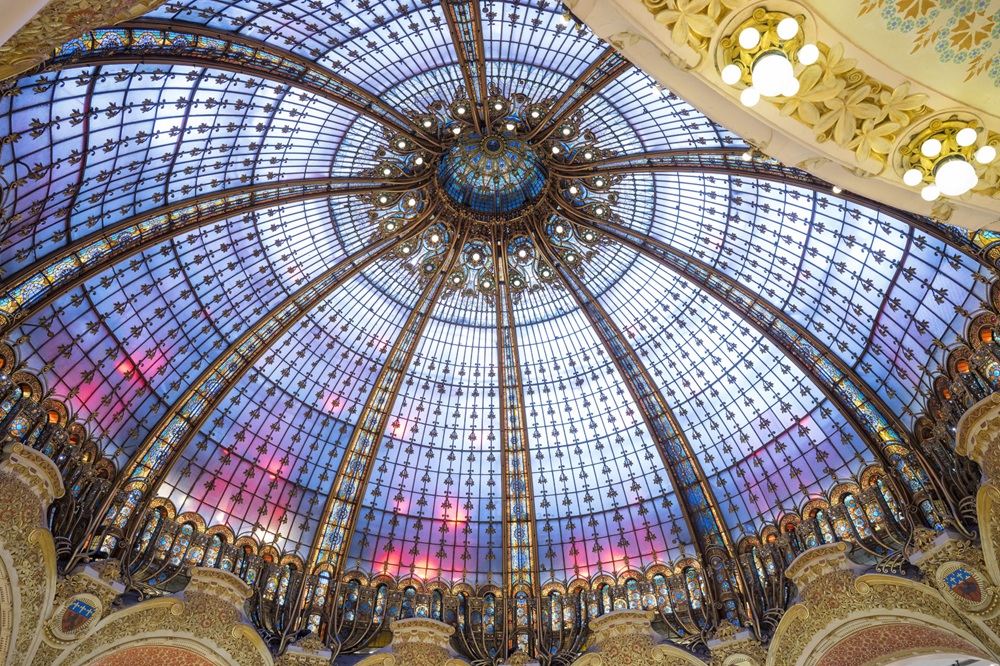
This historic department store features an Art Nouveau glass dome that crowns a stunning interior. Completed in 1912, the dome’s colorful glass and ironwork create a cathedral-like space dedicated to commerce. The rooftop terrace offers exceptional views of Paris’s architectural diversity.
59 Rivoli
Once an abandoned bank building, 59 Rivoli now houses artists’ studios in a vibrant example of adaptive reuse. The building’s façade bursts with colorful artwork, while its interior spaces buzz with creative energy. This transformation shows how contemporary Paris embraces architectural experimentation.
Planning Your Architectural Tour
To fully appreciate these architectural marvels in Paris beyond the Eiffel Tower, consider these tips:
- Purchase a museum pass for access to multiple sites
- Take guided tours to learn architectural details
- Visit at different times of day to see changing light effects
- Combine nearby sites to minimize travel time
Many of these buildings offer special architectural tours that reveal design elements invisible to casual observers.
Conclusion
Paris’s architectural landscape tells a story of artistic vision, engineering innovation, and cultural evolution. From the Gothic heights of Notre-Dame to the contemporary curves of Fondation Louis Vuitton, each structure contributes to the city’s unique character. While the Eiffel Tower remains an essential symbol, exploring these architectural marvels in Paris beyond the Eiffel Tower provides a deeper understanding of what makes the city truly extraordinary. Whether you’re an architecture enthusiast or simply appreciate beautiful spaces, these landmarks offer unforgettable experiences that showcase Paris’s enduring capacity to inspire wonder through built form.