
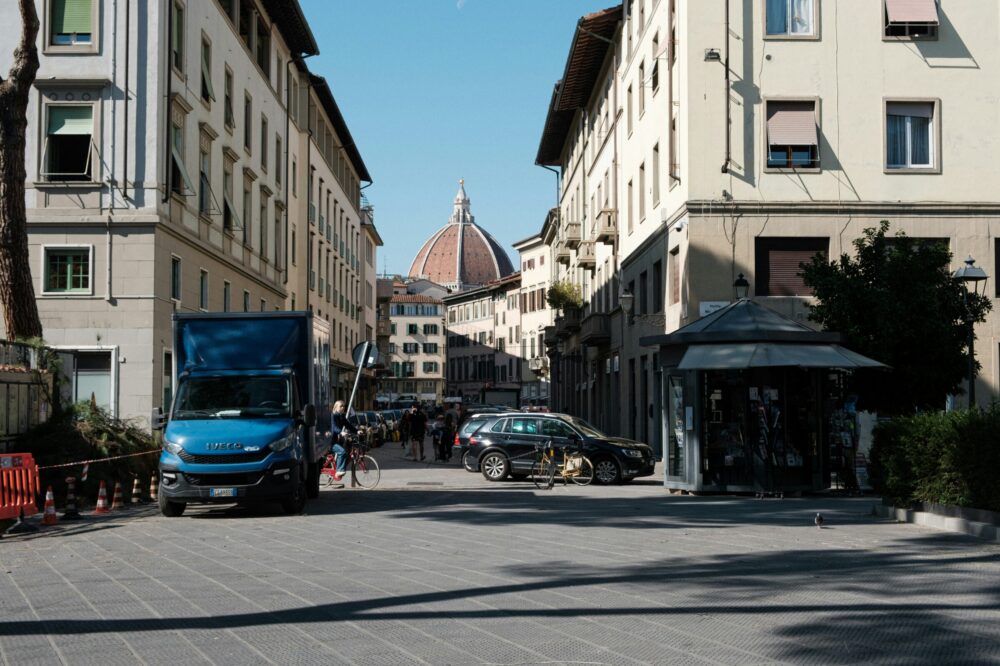
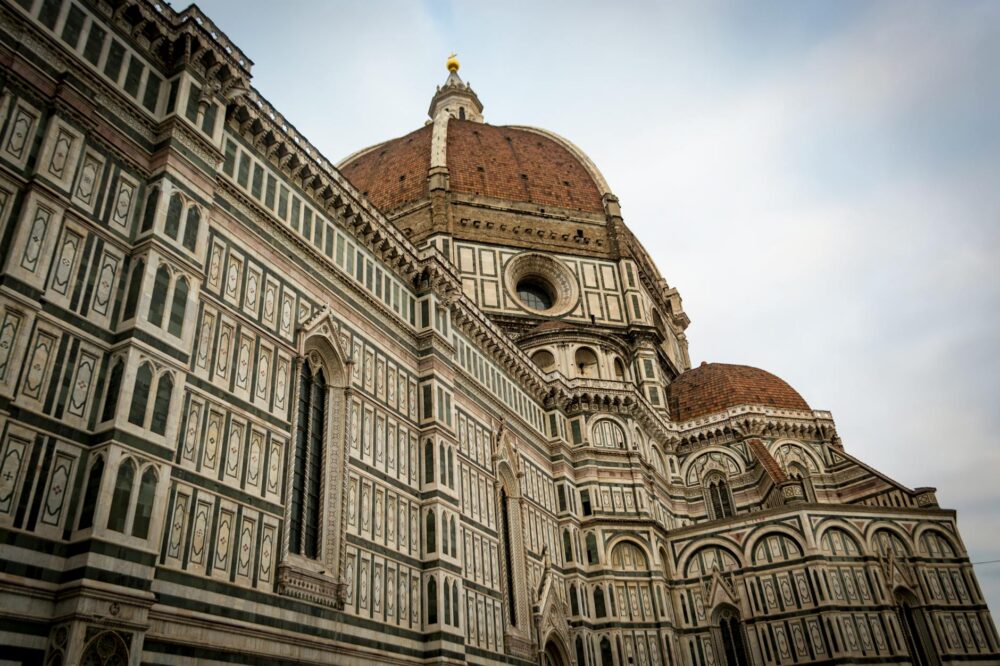
Wondering what student life is like at the University of Florence? You’re not alone. As one of Italy’s oldest and most prestigious universities, the University of Florence (Università degli Studi di Firenze) attracts thousands of students from around the world. But living and studying in Florence means more than just attending lectures—it’s a full immersion in Renaissance art, Tuscan cuisine, and a vibrant social scene. This guide covers everything you need to know: from academics and housing to nightlife and practical tips.
Table des matières:
Academic Life at the University of Florence
The University of Florence offers a wide range of programs across 12 schools, including humanities, sciences, engineering, medicine, and social sciences. With over 50,000 students, it’s a large institution, but class sizes vary by department.
Teaching Style and Expectations
Lectures are often traditional, with professors delivering content to large groups. However, many courses include seminars, labs, and group projects. Attendance is not always mandatory but is highly recommended—especially for courses with ‘frequenza obbligatoria’ (mandatory attendance).
Exams are typically oral or written, and you’ll need to prepare thoroughly. The academic year runs from September to June, with exam sessions in January-February, June-July, and September.
International Opportunities
The university participates in Erasmus+ and other exchange programs, making it easy to study abroad for a semester. Many courses are also taught in English, especially at the master’s level. The University of Florence has a dedicated International Office that helps with visas, housing, and integration.
Cost of Living for Students in Florence
Florence is a mid-range city for student costs. While not as expensive as Milan or Rome, it’s pricier than smaller Italian towns. Here’s an approximate monthly budget:
| Expense Category | Estimated Monthly Cost (EUR) |
|---|---|
| Rent (shared apartment) | 400–600 |
| Groceries | 200–300 |
| Transport (bus pass) | 35–50 |
| Utilities (electricity, gas, internet) | 80–120 |
| Leisure & dining out | 150–250 |
| Miscellaneous (books, supplies) | 50–100 |
| Total | 915–1,420 |
Housing is the biggest expense. Many students live in shared apartments (appartamenti condivisi) or student residences. The most popular neighborhoods for students include San Lorenzo, Santa Croce, and the area around Piazza San Marco.
Housing Options: Where Do Students Live?
Finding accommodation in Florence can be competitive, especially in September and October. Here are the main options:
- University dormitories (Residenze Universitarie) – Affordable but limited spots. Apply early through the DSU Toscana agency.
- Private shared apartments – Most common. Use websites like Subito.it, Immobiliare.it, or Facebook groups (e.g., ‘Affitto studenti Firenze’).
- Studios or one-bedroom flats – More expensive but offer privacy. Expect to pay 600–900 EUR per month.
- Homestay with a family – Less common but possible. Great for language immersion.
Mistake to avoid: Don’t rent without seeing the apartment in person or via a video call. Scams exist—never pay a deposit before signing a contract.
Student Services and Support
The University of Florence provides several services to help students succeed:
Scholarships and Financial Aid
The DSU Toscana offers merit- and income-based scholarships that include tuition fee waivers, free accommodation, and meal vouchers. International students are eligible if they meet the requirements.
Mensa (Student Cafeterias)
DSU-run canteens offer affordable meals (around 5–7 EUR for a full lunch). The main mensa is near Piazza San Marco, but there are others across the city. A meal typically includes a first course, second course, side dish, bread, and water.
Libraries and Study Spaces
The university has several libraries, including the Biblioteca Umanistica and the Science Library. Many are open late during exam periods. The main study hub is the Campus of the Social Sciences in Novoli, which also has a modern library.
Social Life and Nightlife in Florence
Florence has a lively student scene. The historic center is packed with bars, pubs, and clubs. Popular student hangouts include:
- Piazza Santo Spirito – A vibrant square with bars and outdoor seating, especially in summer.
- Via dei Benci – Known for its student-friendly pubs.
- Sant’Ambrogio area – More local vibe, with affordable aperitivo spots.
- Novoli – Near the university campus, with several bars and clubs.
Aperitivo is a must: pay for a drink (around 8–12 EUR) and get access to a buffet dinner. It’s a great way to socialize without spending too much.
Student Associations and Events


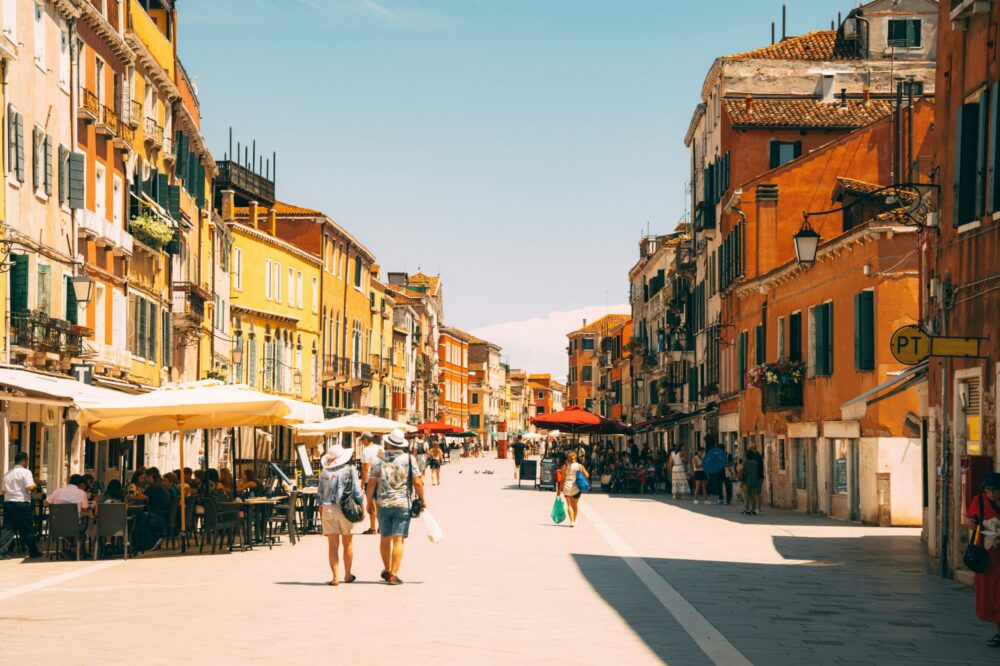
There are many student organizations, including Erasmus Student Network (ESN), cultural clubs, and sports teams. The university also organizes events like the ‘Festa dello Studente’ and ‘Notte dei Ricercatori’ (Researchers’ Night).
Transportation: Getting Around Florence
Florence is a walkable city, but you’ll likely use public transport for longer distances. The bus network (Autolinee Toscane) covers the city and suburbs. A monthly student bus pass costs around 35 EUR. Biking is also popular—many students use the ‘Muoviti’ bike-sharing service.
For trips outside Florence, the train station (Santa Maria Novella) connects to other Tuscan cities like Siena, Pisa, and Lucca. Regional trains are affordable (e.g., 8 EUR to Pisa).
Health Insurance and Healthcare
As a student, you must have health insurance. EU students can use the European Health Insurance Card (EHIC). Non-EU students need private insurance or can register with the Italian National Health Service (SSN) for about 150 EUR per year. This gives you access to a family doctor and reduced-cost specialist visits.
Working While Studying
International students from non-EU countries can work up to 20 hours per week during the academic year and full-time during holidays. Common student jobs include teaching English, working in bars or restaurants, and tutoring. Knowing Italian helps significantly.
Tip: Check the university’s job portal (Job Placement) or websites like Indeed.it and LinkedIn for part-time opportunities.
Practical Checklist for New Students
To make your transition smoother, follow this checklist:
- ✓ Apply for housing at least 2–3 months before arrival.
- ✓ Open an Italian bank account (e.g., Intesa Sanpaolo, UniCredit) for easier payments.
- ✓ Obtain a tax identification code (Codice Fiscale) from the Agenzia delle Entrate.
- ✓ Register with the local health authority (ASL) if using SSN.
- ✓ Get a student bus pass at the Autolinee Toscane office.
- ✓ Join an orientation program or welcome event (e.g., ESN’s Buddy Program).
- ✓ Learn basic Italian phrases—even locals appreciate the effort.
Frequently Asked Questions About Student Life at the University of Florence
Is the University of Florence good for international students?
Yes. The university has a strong international focus, with many English-taught programs, an International Office, and active student associations like ESN. The city itself is welcoming to foreigners.
How much does it cost to live in Florence as a student?
Monthly expenses range from 900 to 1,400 EUR, including rent, food, transport, and leisure. Housing is the biggest cost, but scholarships and part-time work can help.
What is the social scene like for students?
Florence offers a vibrant social life with many bars, clubs, and cultural events. Student associations organize parties, trips, and language exchanges, making it easy to meet people.
Can I work part-time while studying at the University of Florence?
Yes. Non-EU students with a valid residence permit can work up to 20 hours per week. Part-time jobs in hospitality or tutoring are common.
How do I find accommodation in Florence?
Start searching early through university dormitories, Facebook groups, or websites like Subito.it. Be cautious of scams and always view the property before paying.
Do I need to speak Italian to study at the University of Florence?
For English-taught programs, no. But learning Italian will greatly enhance your daily life and social interactions. Many universities offer free Italian language courses for international students.
Final Recommendations for Thriving in Florence
Student life at the University of Florence is a unique blend of rigorous academics and rich cultural experiences. To make the most of it: start your housing search early, budget carefully, get involved in student groups, and embrace the local lifestyle. Whether you’re exploring the Uffizi Gallery on a student discount, enjoying an aperitivo with friends, or studying in a historic library, Florence offers an unforgettable experience. Plan ahead, stay organized, and you’ll thrive both inside and outside the classroom.
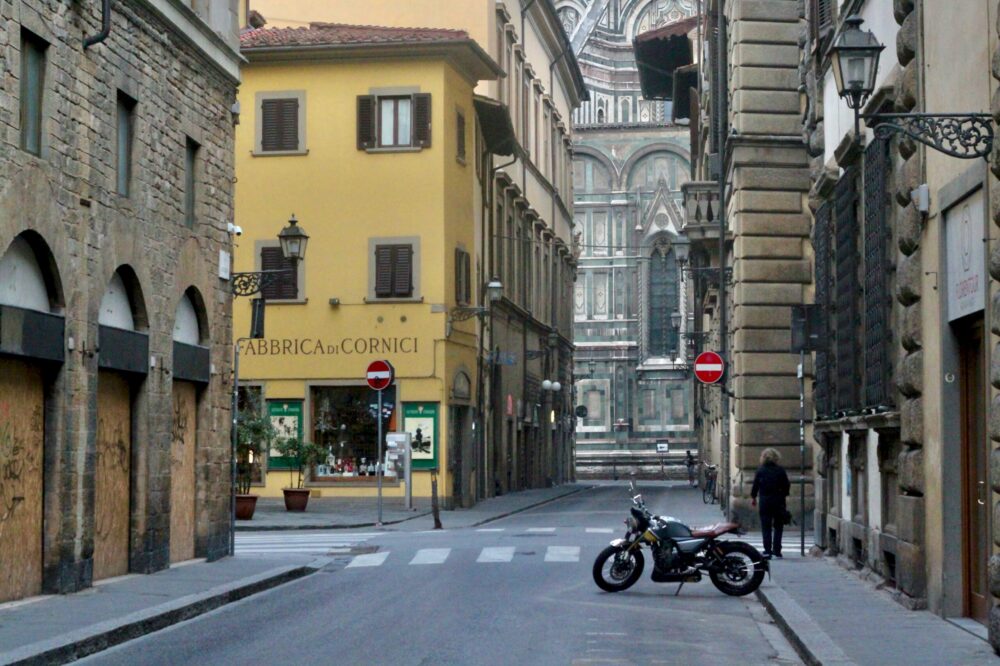
Photo by Àlex Folguera on Unsplash
Do most courses require mandatory attendance? I’m used to more flexibility.
It depends on the course. Some have ‘frequenza obbligatoria’ (mandatory attendance) and you must attend at least 70-80% of classes. Others are more flexible. Check your course syllabus or ask the professor.
Thanks for the cost breakdown! Are groceries cheaper at local markets or supermarkets?
Local markets like Mercato Centrale or Sant’Ambrogio often have fresher produce at lower prices, especially in the afternoon. Supermarkets like Conad or Coop are convenient but can be slightly pricier for some items.
How reliable is public transport for getting to the different university campuses?
Public transport is decent, with buses covering most areas. The main campuses (Polo Scientifico, Social Sciences) are well-connected. A monthly pass is affordable, but many students also bike or walk, especially in the city center.
Are there any student discounts for museums or transport?
Absolutely! With a student ID, you can get discounted entry to many museums and a reduced monthly bus pass (around €35). Also, the Firenze Card may offer savings for frequent visitors.
What’s the social scene like for grad students? Is it easy to meet people?
Florence has a vibrant social scene with many student associations, Erasmus events, and language exchanges. Grad students often connect through department activities or shared interests like sports and art.
Is it easy to find part-time work as an international student in Florence?
Yes, many students find part-time jobs in hospitality, tourism, or tutoring. However, non-EU students need to check visa restrictions. The university’s career office can help with job listings.
Great guide! I’m worried about the housing situation. When should I start looking for an apartment?
Start searching at least 2-3 months before your program begins. September is the busiest month, so aim to secure housing by August. Joining Facebook groups like ‘Affitto studenti Firenze’ can give you a head start.