

Table des matières:
Student Life at Strasbourg University: An Overview
Strasbourg University, officially the University of Strasbourg (Unistra), is one of France’s largest and most international universities. With over 50,000 students, it offers a vibrant and diverse student life blending French tradition with European influences. Located in the heart of Europe, Strasbourg is home to the European Parliament and numerous international institutions, making it a unique academic destination. This guide covers everything from campus facilities and housing to nightlife, costs, and practical tips for making the most of your experience.
Why Choose Strasbourg University?
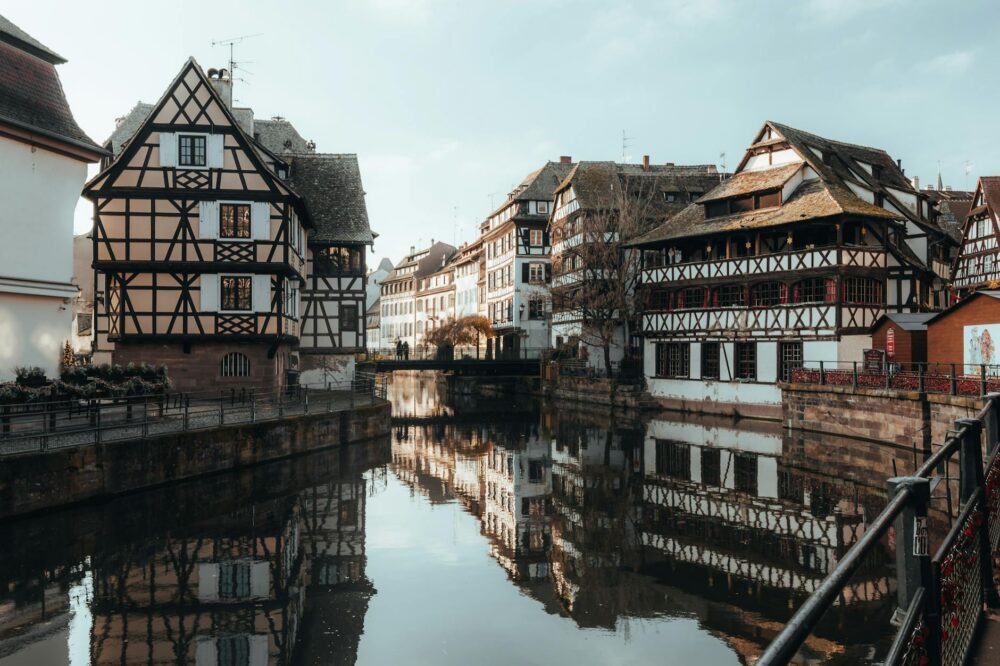
Strasbourg University consistently ranks among the top French universities. Its rich history dates back to 1538, and today it offers over 400 programs across humanities, sciences, law, medicine, and more. The city itself is a UNESCO World Heritage site, known for its picturesque canals, half-timbered houses, and the stunning Strasbourg Cathedral. The student life benefits from this unique setting, with plenty of cultural events, affordable living compared to Paris, and excellent transport links across Europe.
Campus Life and Facilities
Main Campuses
The university has three main campuses: the historic Campus historique in the city center, the modern Campus de l’Esplanade for sciences, and the Campus d’Illkirch for engineering and technology. Each campus has its own atmosphere, but all provide libraries, sports facilities, and student restaurants.
Libraries and Study Spaces
Unistra boasts over 20 libraries, including the Bibliothèque nationale et universitaire (BNU), a national library with millions of documents. Study spaces are generally ample, but during exam periods (January and May), they fill up quickly. Many students prefer the Maison de l’Étudiant (Student House) for group work or relaxation.
Sports and Recreation
The Service Universitaire des Activités Physiques et Sportives (SUAPS) offers over 50 sports activities, from rowing and climbing to yoga and dance. Membership is cheap (around €30 per year), and facilities include gyms, swimming pools, and outdoor fields. For cultural activities, the Service d’Action Culturelle organizes concerts, theatre, and exhibitions at student-friendly prices.
Housing: Where Do Students Live?
Finding accommodation is a common challenge. The CROUS (regional student welfare office) manages affordable residences, but demand is high. Apply early (from January for the next academic year). Private rentals are also available, with studios costing between €400 and €700 per month depending on location and size. Popular student neighborhoods include Krutenau, Esplanade, and Robertsau. Many students also share flats (colocation) to reduce costs. A useful tip: join Facebook groups like “Logement Strasbourg” to find offers.
Average Rent in Strasbourg (2024)
| Type | Monthly Rent (€) |
|---|---|
| CROUS studio | 200–400 |
| Private studio | 450–700 |
| Shared room | 300–500 |
| One-bedroom apartment | 600–900 |
Cost of Living: Budgeting for Students
Strasbourg is more affordable than Paris but slightly pricier than smaller French cities. A typical monthly budget for a student (excluding rent) is around €400–€600. This includes food (€200–€300), transport (€30 for a monthly pass), health insurance (€200–€400 per year for non-EU students), and leisure. Eating at university restaurants (Resto U) costs only €3.30 for a full meal. Many museums and cultural sites offer student discounts or free entry.
Social Life and Nightlife
Strasbourg’s student life is lively. The city has numerous bars, clubs, and student parties. The Krutenau district is famous for its winstubs (traditional Alsatian bistros) and affordable bars. Popular student bars include L’Éléphant Rose and Le Grincheux. For clubbing, La Laiterie and Le Kalt are top choices. The university also hosts regular events like the Fête de la Science and European Night of Museums. International students can join Erasmus Student Network (ESN) Strasbourg for trips and parties.
Academic Life: Teaching Style and Workload
Lectures (cours magistraux) are often large, but tutorials (travaux dirigés) are smaller groups. The workload varies by program, but expect around 20–30 hours of classes per week plus self-study. Professors are generally approachable during office hours. Assessment is usually a mix of continuous assessment (quizzes, assignments) and final exams. The grading scale is 0–20, with 10 being a pass. International students should note that the French system emphasizes critical thinking and independent work.
Support for International Students
Strasbourg University has a dedicated International Office that helps with visas, housing, and integration. The Maison de l’Étudiant offers language courses, workshops, and a buddy program. Free French language classes are available for non-native speakers. The city is very welcoming, with many residents speaking English, but learning basic French will greatly enhance your experience.
Cultural Integration: Tips for New Students
- Learn French basics: Even simple greetings go a long way.
- Join student associations: There are over 200 clubs, from sports to arts.
- Explore the region: Take weekend trips to the Alsace wine route, the Black Forest (Germany), or Basel (Switzerland).
- Use the CROUS services: They offer cheap meals, cultural outings, and even holiday rentals.
- Get a student card: It gives discounts on transport, museums, and more.
Working While Studying
International students can work up to 964 hours per year (about 20 hours per week). Part-time jobs include tutoring, babysitting, restaurant work, or on-campus positions. The minimum wage (Smic) is around €11.52 per hour. The university’s Bureau d’Aide à l’Insertion Professionnelle (BAIP) helps with job searches.
What Are the Biggest Challenges?
Common difficulties include bureaucratic procedures (visa renewal, CAF housing allowance), language barriers, and finding housing. The weather can be cold and rainy in winter, with occasional snow. Some students find the French administrative system slow. However, with patience and the support networks available, these challenges are manageable.
Mistakes to Avoid as a New Student
- Not applying for CROUS housing early: Apply as soon as applications open (usually January).
- Ignoring the CAF: You may be eligible for housing aid (up to €200/month). Apply online at caf.fr.
- Staying in an international bubble: Make an effort to meet local students.
- Underestimating the workload: French universities require consistent effort.
- Forgetting to validate your visa: New arrivals must validate their long-stay visa within three months.
Checklist for New Students at Strasbourg University
- ☐ Apply for housing (CROUS or private) as early as possible.
- ☐ Open a French bank account.
- ☐ Register with the French social security (health insurance).
- ☐ Validate your visa online within 3 months.
- ☐ Get a student transport pass (CTS).
- ☐ Sign up for a sports or cultural activity.
- ☐ Visit the International Office for orientation.
- ☐ Explore the city and nearby European destinations.
Frequently Asked Questions About Student Life at Strasbourg University
Is Strasbourg a safe city for students?
Yes, Strasbourg is generally very safe. Like any city, be cautious at night in isolated areas, but overall crime rates are low.
Can I get by with only English?
While many university programs are taught in English, daily life requires some French. Basic knowledge will help with shopping, administration, and socializing.
How do I find a part-time job?
Check the university job board (BAIP), local businesses, and online platforms like Indeed.fr. Speaking French is often required for customer-facing roles.
What is the best time to apply for housing?
For CROUS, apply between January and April. For private rentals, start looking in June for a September move-in.
Are there scholarships for international students?
Yes, the French government offers the Eiffel Excellence Scholarship, and the university has its own merit-based scholarships. Check the Campus France website.
How is the public transportation for students?
Excellent. The tram and bus network covers the city and suburbs. A monthly pass costs €30 for students, and the university campuses are well connected.
Final Advice for Thriving as a Student in Strasbourg
Student life at Strasbourg University is rewarding and enriching. The city’s blend of French and German cultures, its international atmosphere, and the university’s strong academic reputation create a unique environment. Be proactive, embrace the local culture, and take advantage of the many opportunities available. Whether you’re studying for a semester or a full degree, Strasbourg offers an unforgettable experience.

Thanks for the housing tips. I applied for CROUS but didn’t get a spot. Are there any other affordable options especially for international students?
If CROUS is full, consider private residences like Les Estudines or Nexity Studéa, which offer furnished studios from around €450. Also, look into colocation (shared flats) on sites like Appartager or La Carte des Colocs. The university’s housing service (Cité Universitaire) can also provide guidance. Don’t forget to check Facebook groups for short-term sublets.
Great overview! I was wondering about the nightlife. Are there many student-friendly bars and clubs near the campuses?
Absolutely! The Krutenau district is the heart of student nightlife, with affordable bars like La Lanterne and Le Douanier. For clubbing, check out La Laiterie or Café de la Gare. Many places offer student discounts. Also, the university organizes regular parties at the Maison de l’Étudiant.
I’m considering applying to Strasbourg University for a master’s in European studies. How easy is it to find part-time work as an international student?
International students with a valid student visa can work up to 964 hours per year (about 20 hours per week). Many students find jobs in restaurants, retail, or tutoring. The university’s career center (SUIO-IP) and online platforms like Jobaviz can help. Also, knowing some French is important for most local jobs.