
Table des matières:
Introduction
Amsterdam is famous for its cycling culture, with more bikes than residents. If you’re planning to explore the city on two wheels, you need to know the rules for biking in Amsterdam. Following these rules ensures your safety and helps you blend in with local cyclists. This guide covers everything from traffic laws to bike parking, so you can ride confidently and legally.
General Traffic Rules for Cyclists
Cyclists in Amsterdam are considered part of traffic and must obey the same basic rules as motorists. Here are the key points:
Obey Traffic Lights and Signs
Always stop at red lights unless there’s a separate bicycle traffic light (often a small red, yellow, and green bike symbol). Yield to pedestrians and follow all road signs. Running a red light is illegal and can result in a fine.
Ride in the Bike Lane
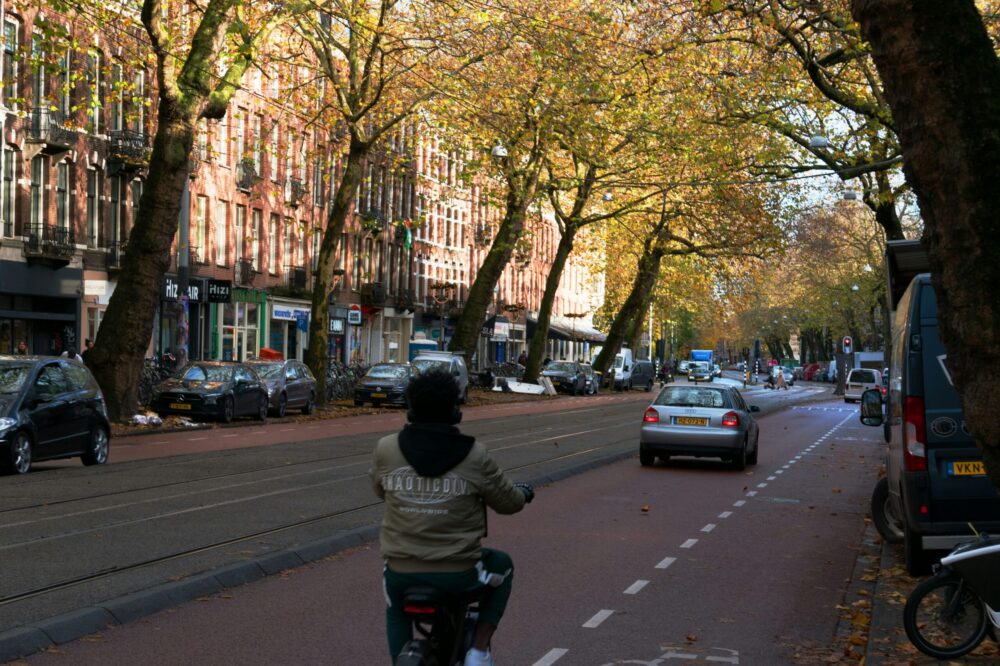
Amsterdam has dedicated bike lanes (fietspaden) marked with red asphalt and a white bicycle symbol. Always use them. If there’s no bike lane, ride on the road, not the sidewalk. Sidewalk cycling is prohibited unless signed otherwise.
Yield to Traffic from the Right
At intersections without traffic lights or signs, vehicles (including bikes) coming from the right have priority. This rule is strictly enforced, so be prepared to yield.
No Cycling Under the Influence
Riding a bike under the influence of alcohol or drugs is illegal. The legal blood alcohol limit is 0.5‰. Penalties include fines and potential confiscation of your bike.
Bike Equipment and Safety Requirements
To ride legally in Amsterdam, your bike must meet certain standards:
- Working brakes on both wheels.
- Front and rear lights (white front, red rear) that are visible from at least 200 meters. Lights must be used at night and in poor visibility. Flashing lights are allowed but should not be blinding.
- Reflectors: A red rear reflector, yellow or white pedal reflectors, and yellow or white side reflectors on wheels or tires.
- A bell that works. It’s required by law to warn pedestrians and other cyclists.
Police often conduct checks, especially at night. Fines for missing lights or reflectors start at around €55.
Where to Ride: Bike Lanes, Roads, and Pedestrian Zones
Bike Lanes (Fietspaden)
These are your primary space. Ride in the direction of traffic. Do not park or stop in bike lanes. Use hand signals when turning.
Shared Roads
When no bike lane exists, ride on the road, keeping to the right. You are allowed to ride two abreast if it doesn’t obstruct traffic. On busy roads, single file is safer.
Pedestrian Zones
Cycling is forbidden in most pedestrian areas, such as shopping streets (e.g., Kalverstraat). Look for signs indicating no cycling. If you must walk your bike, dismount and push it.
Right of Way and Intersections
Understanding priority is crucial. At intersections without traffic lights, the general rule is: traffic from the right has priority. However, cyclists on a main bike path often have priority over cars crossing the path. Look for shark’s teeth (white triangles painted on the road) indicating you must yield. Trams always have priority, so give way to tram tracks.
Parking Your Bike
Illegal parking is a common issue. Follow these rules:
- Use designated bike racks or parking areas. Do not park on sidewalks if it obstructs pedestrians.
- Never park in front of emergency exits, driveways, or bus stops.
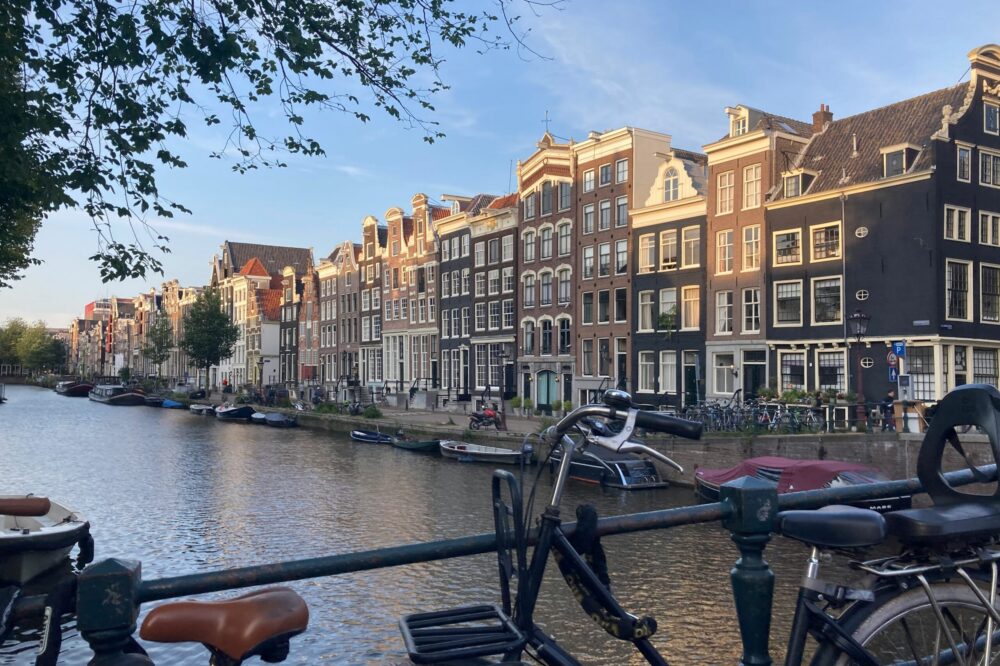
- Do not lock your bike to trees, lampposts, or bridges unless designated. Bikes parked illegally may be removed by the city and impounded. Retrieval costs around €25.
- Consider using guarded bike parking stations (fietsenstallingen) at major squares and stations, often free for the first 24 hours.
Passengers and Cargo
You can carry passengers only if the bike is equipped for it (e.g., a child seat or cargo bike). Children under 8 must wear a helmet if riding in a seat (though helmets are not mandatory for adults). Carrying large items that obstruct your view or balance is not allowed. Use a cargo bike or trailer for heavy loads.
Mobile Phone Use
Holding a mobile phone while cycling is illegal. You cannot use it for calls, navigation, or texting while riding. Hands-free devices are allowed. Fines for phone use start at €95.
Common Fines and Penalties
Police actively enforce cycling rules. Common fines include:
- Running a red light: €95
- Cycling without lights: €55
- Cycling on the sidewalk: €95
- Phone use: €95
- Cycling under the influence: €100–€400 depending on BAC
Fines must be paid on the spot or within a few weeks.
Tips for Tourists
If you’re new to biking in Amsterdam:
- Start on quieter streets to get used to the traffic.
- Always lock your bike with two locks (a ring lock and a chain lock) to deter theft.
- Rent a bike from a reputable shop that provides lights and a bell.
- Watch out for tram tracks; cross them at a perpendicular angle to avoid getting your wheel stuck.
- Use hand signals: extend your left or right arm to indicate turns, and raise your arm to stop.
Conclusion
Understanding the rules for biking in Amsterdam is essential for a safe and enjoyable experience. By following traffic laws, using proper equipment, and respecting bike lanes and parking regulations, you can navigate the city like a local. Remember to stay alert, use your lights at night, and never ride under the influence. Whether you’re a tourist or a resident, cycling in Amsterdam is a fantastic way to explore—just make sure you know the rules. Happy cycling!
Photo by Fons Heijnsbroek on Unsplash

I’m a tourist planning to rent a bike in Amsterdam. Are there any specific rules about where to lock your bike? I’ve heard bikes get impounded if parked wrong.
Yes, always use designated bike racks or parking areas. Avoid locking to trees, lampposts, or bridges unless signed otherwise. Bikes parked illegally are often removed and impounded, costing around €25 to retrieve. Use guarded bike parking stations (fietsenstallingen) at major squares and stations—often free for the first 24 hours.
Do I really need a bell on my bike? I’ve seen some rentals without one.
Yes, a working bell is required by law in Amsterdam. It’s used to warn pedestrians and other cyclists. Rental bikes typically include one, but check before you ride. Police can fine you if it’s missing.
I’m confused about yielding at intersections. The article says traffic from the right has priority, but also that cyclists on main bike paths have priority over cars. Which one is it?
Both rules apply. At intersections without traffic lights or signs, vehicles from the right have priority. However, if you’re on a main bike path (often marked with bicycle symbols), cars crossing that path must yield to cyclists. Look for shark’s teeth (white triangles) on the road—they indicate you must yield. In practice, always be cautious and make eye contact.
Can I use my phone for GPS while biking? I need directions.
No, holding a mobile phone while cycling is illegal in Amsterdam. You cannot use it for calls, navigation, or texting. Hands-free devices are allowed. Consider mounting your phone on the handlebars or using a voice-guided navigation app. Fines for phone use start at €95.
What about biking in the rain or at night? Any special rules?
At night or in poor visibility, you must have working front (white) and rear (red) lights visible from at least 200 meters. Reflectors are also required: red rear, pedal reflectors, and side reflectors on wheels. Police often check for lights, especially after dark. In rain, bike lanes can be slippery, so ride carefully and brake gently.