
Applying to a Dutch university can be an exciting yet daunting process. With world-class institutions, innovative teaching methods, and a vibrant international community, the Netherlands attracts thousands of students each year. But how do you ensure your application stands out? This guide walks you through every step—from selecting the right program to securing your student visa—so you can approach the Dutch university application process with confidence.
Table des matières:
Understanding the Dutch Higher Education System
Before diving into the application, it’s crucial to understand the two main types of higher education institutions in the Netherlands: research universities (universiteiten) and universities of applied sciences (hogescholen). Research universities focus on theoretical, research-oriented programs, while universities of applied sciences emphasize practical, career-focused education. Your choice will affect the application requirements, deadlines, and even your study style.
Research Universities vs. Universities of Applied Sciences
| Feature | Research Universities | Universities of Applied Sciences |
|---|---|---|
| Focus | Theoretical, academic research | Practical, professional skills |
| Degree types | Bachelor, Master, PhD | Bachelor, Master (professional) |
| Teaching style | Lectures, seminars, independent study | Projects, internships, group work |
| Examples | University of Amsterdam, TU Delft | Rotterdam University of Applied Sciences, NHL Stenden |
Step 1: Choose Your Program and University
Start by exploring programs that match your academic background and career goals. Use resources like the official Study in Holland website to search for English-taught programs. Consider factors such as location, university ranking, tuition fees, and student life. Many universities offer virtual open days or webinars—attend these to get a feel for the institution.
Step 2: Check Admission Requirements
Each university and program sets its own admission requirements. Generally, you’ll need:
- Educational background: A diploma equivalent to the Dutch pre-university education (VWO) for research universities, or a higher general secondary education (HAVO) for universities of applied sciences.
- Language proficiency: Proof of English proficiency via IELTS (usually 6.0-7.0), TOEFL (80-100), or Cambridge certificates. Some programs may accept Duolingo English Test scores.
- Specific prerequisites: Certain programs (e.g., engineering, medicine) require specific subjects like mathematics or biology.
- Additional tests: Some programs may require the SAT, ACT, or an entrance exam. Check with the university directly.
How to Get Your Diplomas Evaluated
If your previous education is from outside the Netherlands, you may need to have your diplomas evaluated by Nuffic, the Dutch organization for internationalization in education. This evaluation confirms that your diploma is equivalent to the Dutch standard. Start this process early, as it can take several weeks.
Step 3: Prepare Your Application Documents
Most Dutch universities use the Studielink system for applications. You’ll need to gather the following documents:
- Certified copies of diplomas and transcripts
- Motivation letter (personal statement)
- Curriculum vitae (CV)
- Proof of English proficiency
- Passport copy
- Letter of recommendation (if required)
- Portfolio (for creative programs)
Writing a Compelling Motivation Letter
Your motivation letter is your chance to shine. Explain why you chose the specific program and university, how your background prepares you, and what you hope to achieve. Be specific—mention professors, courses, or projects that interest you. Avoid generic statements; instead, show genuine enthusiasm and fit.
Step 4: Submit Your Application via Studielink
Studielink is the central application portal for Dutch universities. Create an account, select your program, and upload required documents. Some universities also require a separate application through their own portal. Pay attention to deadlines—most programs start in September, with application deadlines between May 1 and June 1 for non-EU students, and earlier for numerus fixus programs.
Numerus Fixus Programs: What You Need to Know
Some popular programs (e.g., medicine, psychology, international business) have a numerus fixus, meaning a limited number of places. For these, you must apply by January 15 and may need to take a selection test or submit additional materials. The selection process can be competitive, so prepare thoroughly.
Step 5: Arrange Finances and Scholarships
Tuition fees for non-EU students range from €6,000 to €20,000 per year, depending on the program. EU/EEA students pay lower statutory fees (around €2,200). You must prove you have sufficient funds for living expenses (about €1,000 per month) to get a visa. Consider scholarships such as:
- Orange Tulip Scholarship (for specific countries)
- Erasmus Mundus Joint Master Degrees
- University-specific scholarships (check each university’s website)
Step 6: Apply for a Student Visa and Residence Permit
If you’re from outside the EU/EEA, you’ll need a student visa (MVV) and a residence permit (VVR). Your university usually handles the application process. After receiving your admission letter, you’ll need to provide proof of financial means, health insurance, and a valid passport. The visa process can take up to 3 months, so start early.

Health Insurance Requirement
All international students must have health insurance. If you work in the Netherlands, you may need Dutch public health insurance. Otherwise, you can take out private insurance. Some universities offer insurance packages for students.
Step 7: Prepare for Arrival
Once your visa is approved, it’s time to plan your move. Book accommodation early—student housing in Dutch cities is competitive. Many universities offer housing assistance for first-year international students. Also, register with your local municipality (gemeente) within 5 days of arrival to get a BSN (citizen service number).
Packing Checklist for the Netherlands
- Raincoat and waterproof shoes (it rains often)
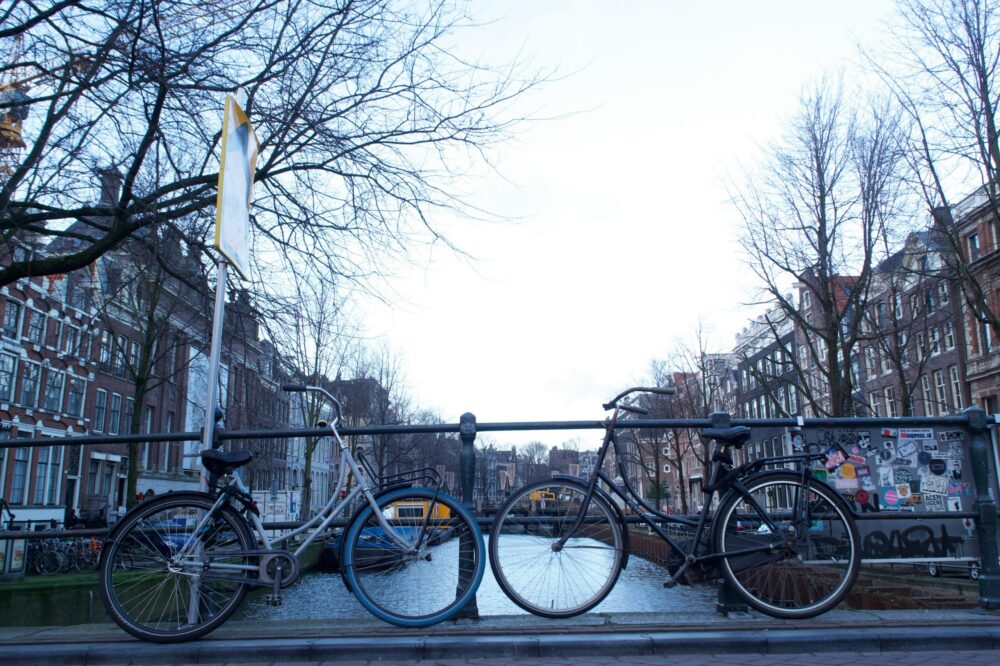
- Bicycle (or buy one locally)
- Power adapter (type C/F, 230V)
- Important documents (passport, visa, admission letter, insurance)
- Bank card or cash (€200-300 initially)
Common Mistakes to Avoid in the Dutch University Application Process
Even well-prepared applicants can trip up. Here are pitfalls to avoid:
- Missing deadlines: Set calendar reminders for each step.
- Submitting incomplete documents: Double-check requirements on the university’s website.
- Writing a generic motivation letter: Tailor it to each program.
- Underestimating language requirements: Some programs require higher scores than the minimum.
- Ignoring numerus fixus deadlines: These are earlier and non-negotiable.
- Not arranging housing early: Start looking at least 3 months before arrival.
Frequently Asked Questions About the Dutch University Application Process
Can I apply without IELTS if my previous education was in English?
Some universities waive the English test requirement if you completed your secondary or higher education in English in certain countries (e.g., UK, USA, Australia). Check with the specific university.
What is the difference between a bachelor’s at a research university and a university of applied sciences?
A research university bachelor’s is more theoretical and prepares you for a master’s or research career. A university of applied sciences bachelor’s is practical and job-oriented, often including internships.
How long does it take to get a student visa for the Netherlands?
The visa process usually takes 2-4 weeks after your university submits the application. However, gathering documents and meeting financial requirements can take longer, so start early.
Can I work while studying in the Netherlands?
Yes, international students can work part-time up to 16 hours per week during the academic year or full-time during summer months. You’ll need a work permit, which your employer can arrange.
What is the acceptance rate for Dutch universities?
Acceptance rates vary widely. Some programs are open admission (if you meet requirements, you’re in), while numerus fixus programs can have acceptance rates below 20%.
Do I need to know Dutch to study in the Netherlands?
No, many bachelor’s and master’s programs are taught entirely in English. However, learning basic Dutch can help with daily life and social integration.
Your Next Steps: A Practical Checklist
To make sure you don’t miss anything, follow this checklist:
- ☐ Research programs and universities (use Study in Holland)
- ☐ Check admission requirements and deadlines
- ☐ Gather documents (diplomas, transcripts, passport, etc.)
- ☐ Take language test (IELTS/TOEFL) and achieve required score
- ☐ Write motivation letter and get recommendations
- ☐ Apply via Studielink and any additional portals
- ☐ Apply for scholarships (if applicable)
- ☐ Arrange finances and open a Dutch bank account if possible
- ☐ Apply for visa (if non-EU) with university’s help
- ☐ Book accommodation
- ☐ Purchase health insurance
- ☐ Plan travel and pack
Preparing for the Dutch university application process requires careful planning, but the reward is a world-class education in a welcoming, innovative country. Start early, stay organized, and don’t hesitate to reach out to university admissions offices for guidance. Good luck!
Photo by Frans Ruiter on Unsplash

What’s the typical IELTS score required for a bachelor’s program? I’m aiming for a research university.
For research universities, the IELTS requirement is usually between 6.0 and 7.0 overall, with no band below 6.0. However, some programs may ask for higher scores. Always check the specific program page for exact requirements.
Is it possible to apply to multiple universities at the same time?
Yes, you can apply to multiple universities. Each application is separate, so you’ll need to meet each program’s requirements. Just be mindful of application fees and deadlines.
Thanks for the step-by-step guide! I’m worried about deadlines. When should I start the application process?
You’re welcome! Start at least 6-9 months before the deadline. For most programs starting in September, deadlines are between January and May. Begin researching programs early, and give yourself plenty of time for document gathering and visa applications.
I have a high school diploma from the US. Will I need to get it evaluated by Nuffic?
Yes, if your diploma is from outside the Netherlands, you generally need a Nuffic evaluation to confirm equivalence. Start early as it can take weeks. Check the specific requirements for your chosen university and program.
I noticed the article mentions SAT or ACT for some programs. Do all Dutch universities require these?
No, most Dutch universities do not require SAT or ACT. Only specific programs, especially at research universities like TU Delft, may require them. Check the admission requirements of your chosen program directly.
The article mentions virtual open days. Are these helpful for international students?
Absolutely! Virtual open days are a great way to learn about the university, ask questions, and get a feel for the campus culture. They are especially useful for international students who cannot visit in person.
Great article! I’m a bit confused about the difference between research universities and universities of applied sciences. If I want to work in business after graduation, which type would be better?
Thank you! For business, both can be suitable. Research universities (like the University of Amsterdam) offer more theoretical business programs, while universities of applied sciences (like Rotterdam University of Applied Sciences) focus on practical skills and internships. Consider your preferred learning style and career goals.
I’m from India and our education system is different. How do I know if my diploma is equivalent to VWO or HAVO?
Nuffic provides guidelines on diploma equivalence. For India, the Higher Secondary Certificate (12th grade) is often considered equivalent to HAVO. For research universities, you may need additional courses. Use the Nuffic website or contact the university for confirmation.