
Table des matières:
Why Visit the Dordogne in 2026?
The Dordogne region, also known as Périgord, is one of France’s most enchanting destinations. With its prehistoric caves, medieval villages, and world-class cuisine, it offers a timeless experience. Planning a trip to the Dordogne region in 2026 ensures you avoid the peak crowds while enjoying improved infrastructure and new cultural events. Whether you’re a history buff, a foodie, or an outdoor enthusiast, this guide will help you craft the perfect itinerary.
Best Time to Visit Dordogne in 2026
Timing your visit is crucial. The Dordogne enjoys a temperate climate, but each season offers a different flavor.
Spring (April–June): Ideal for Mild Weather and Blooming Landscapes
Spring brings lush greenery, wildflowers, and fewer tourists. Temperatures range from 12°C to 22°C. This is perfect for hiking and exploring villages without the summer rush. However, some attractions may have limited hours until May.
Summer (July–August): Peak Season with Vibrant Festivals
Summer is hot (25°C–35°C) and crowded, but it’s also when the region comes alive with markets, concerts, and the famous Félibrée festival. Book accommodations and popular sites like Lascaux IV well in advance.
Autumn (September–October): Harvest Season and Golden Light
Autumn offers pleasant temperatures (15°C–25°C), fewer crowds, and the grape harvest. This is the best time for food lovers, as truffles, walnuts, and cèpe mushrooms are in season.
Winter (November–March): Quiet Charm and Lower Prices
Winter is cold (5°C–12°C) and many rural restaurants close, but you’ll have castles and museums almost to yourself. It’s ideal for budget travelers and those seeking solitude.
| Season | Pros | Cons |
|---|---|---|
| Spring | Mild weather, fewer tourists | Some attractions closed until May |
| Summer | Festivals, long days | Crowded, expensive |
| Autumn | Harvest, pleasant climate | Shorter days |
| Winter | Low prices, peaceful | Cold, limited services |
Getting to the Dordogne Region
The Dordogne is well-connected but requires some planning. The nearest major airports are Bergerac Dordogne Périgord (EGC) and Brive–Souillac (BVE). From Paris, you can take a high-speed TGV to Libourne or Angoulême, then rent a car. Driving from Paris takes about 5–6 hours via the A20. For a scenic route, consider the train to Sarlat-la-Canéda from Bordeaux.
Top Attractions and Activities
Prehistoric Caves: Lascaux IV and Beyond
The Lascaux Cave replica is a must-see. Book tickets online months ahead for 2026. Other caves like Font-de-Gaume and Rouffignac offer original paintings but with limited daily entry. Combine with a visit to the National Museum of Prehistory in Les Eyzies.
Medieval Villages: Sarlat, Beynac, and La Roque-Gageac
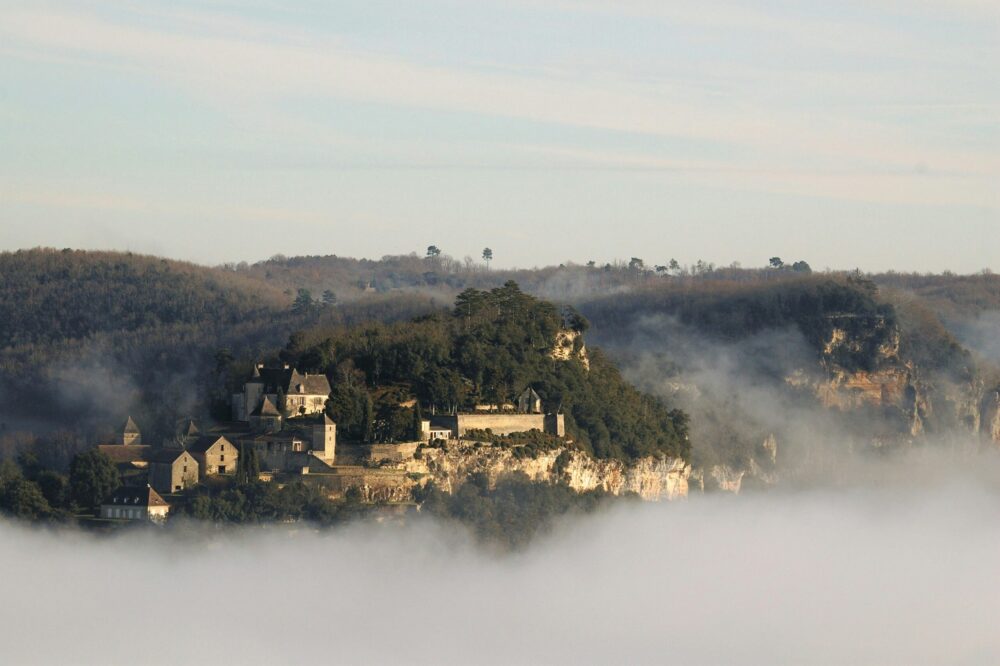
Sarlat-la-Canéda is the region’s hub, with a stunning old town. Beynac-et-Cazenac boasts a cliff-top castle, and La Roque-Gageac hugs the Dordogne River. Visit early morning or late afternoon to avoid crowds.
Castles and Gardens
Explore Château de Castelnaud (medieval warfare museum), Château de Hautefort (formal gardens), and the Gardens of Marqueyssac (panoramic views). Many castles offer night visits in summer.
Outdoor Adventures: Canoeing, Hiking, and Hot Air Balloons
Canoeing down the Dordogne River is a highlight. Rentals are available from May to September. For hiking, the GR36 and GR64 trails pass through stunning countryside. Hot air balloon rides over the valley are unforgettable—book in advance.
Creating Your Dordogne Itinerary
To plan a trip to the Dordogne region in 2026, start with a 7-day itinerary. Here’s a sample:
- Day 1: Arrive in Sarlat, explore the old town, evening market.
- Day 2: Lascaux IV in the morning, then visit Montignac.
- Day 3: Canoe from Beynac to La Roque-Gageac.
- Day 4: Castles of Castelnaud and Marqueyssac.
- Day 5: Les Eyzies prehistoric sites and museum.
- Day 6: Rocamadour and the Gouffre de Padirac.
- Day 7: Depart or relax in a local vineyard.
Adjust based on your interests. If you have more time, include the Périgord Vert (green Périgord) for forests and trout fishing.
Where to Stay: Accommodation Options
From luxury chateaux to charming B&Bs, the Dordogne offers diverse stays. Book early for summer 2026.
Chateaux and Boutique Hotels
For a splurge, stay at Château de la Treyne or Château Les Merles. These offer fine dining and stunning views.
Gîtes and Self-Catering Cottages



Perfect for families, gîtes provide flexibility. Look in the countryside near Sarlat or Domme.
Camping and Glamping
Camping along the river is popular. Sites like Camping Le Moulin de la Pique offer eco-lodges.
Dordogne Cuisine: What to Eat and Drink
No trip is complete without tasting the region’s specialties. Must-tries include:
- Foie gras: Often served as a terrine or seared.
- Truffles: Black Périgord truffles in autumn.
- Walnuts: Used in salads, cakes, and oil.
- Confit de canard: Duck leg slow-cooked in fat.
- Bergerac wines: Red, white, and sweet Monbazillac.
Visit local markets in Sarlat (Wednesdays and Saturdays) and Bergerac. For a cooking class, book with Périgord Gourmand.
Practical Tips for Your Dordogne Trip
Transportation: Rent a Car
Public transport is limited. Rent a car from Bergerac or Brive airports. Book automatic transmission early if needed.
Language and Communication
English is spoken in tourist areas, but learning a few French phrases like “Bonjour” and “Merci” goes a long way.
Budgeting for 2026
Expect to spend around €100–€150 per day per person (mid-range). Accommodation costs €80–€200 per night. Book attractions online to save time and sometimes money.
What to Pack
Comfortable walking shoes, a reusable water bottle, a light jacket for evenings, and a hat for sun. In summer, pack swimwear for river beaches.
Mistakes to Avoid When Planning a Dordogne Trip
- Underestimating driving distances: Winding roads take longer than GPS suggests.
- Skipping advance bookings for Lascaux IV: Tickets sell out weeks ahead.
- Overpacking the itinerary: Leave time for spontaneous discoveries.
- Ignoring siesta hours: Many shops close 12–2 PM.
Frequently Asked Questions
How many days do I need in the Dordogne?
A minimum of 5–7 days allows you to see the highlights without rushing. Two weeks is ideal for a deeper exploration.
Is the Dordogne expensive?
It’s moderate compared to Paris. Accommodation and dining are affordable, but premium experiences like hot air balloon rides can cost €200+ per person.
Can I visit the Dordogne without a car?
It’s challenging. While trains connect major towns, most villages and attractions are best reached by car. Consider guided tours if you don’t drive.
What is the closest airport to Sarlat?
Bergerac Dordogne Périgord Airport is about 70 km away. Brive–Souillac is 50 km. Both have car rental services.
Are the prehistoric caves suitable for children?
Yes, but some caves have narrow passages. Lascaux IV is very child-friendly with interactive exhibits. Check age restrictions for original caves.
What is the best way to book tours in advance for 2026?
Use official websites for Lascaux IV, castles, and canoe rentals. For multi-day tours, platforms like Viator or local operators like Dordogne Discovery offer packages.
Final Thoughts
Planning a trip to the Dordogne region in 2026 is an exciting endeavor. By choosing the right season, booking key attractions early, and embracing local culture, you’ll create memories that last a lifetime. Whether you’re exploring prehistoric art, savoring foie gras, or drifting down the river, the Dordogne promises an authentic French adventure. Start your planning today, and you’ll be rewarded with a seamless, enriching journey.
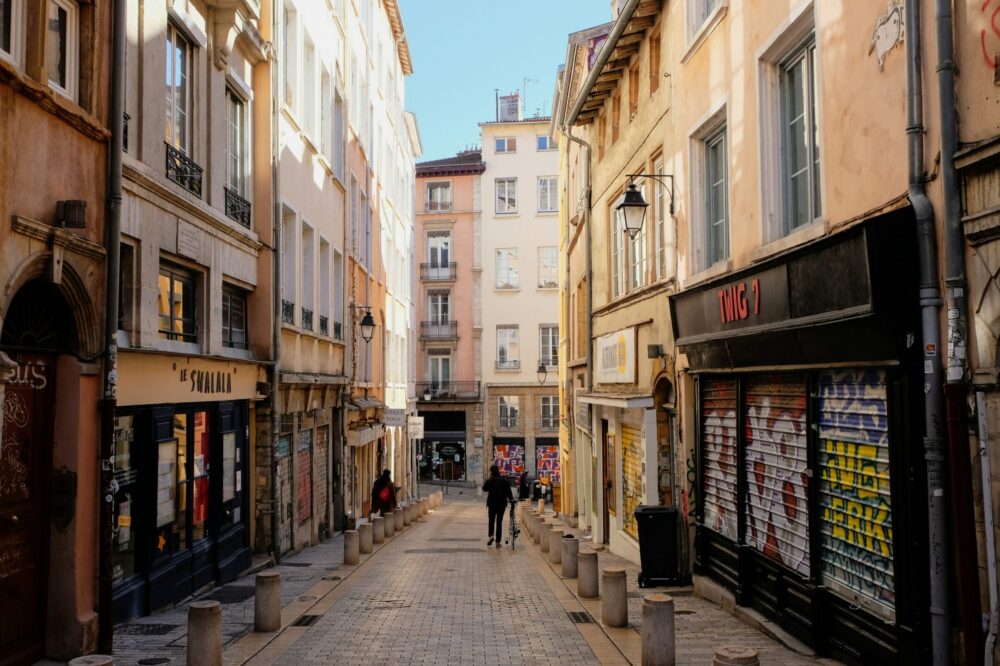
Photo by Reg Schouw on Unsplash
Great guide! I’m planning a trip for September 2026. Do you have any tips for finding local truffle markets during the harvest season?
Absolutely! In autumn, look for markets in Sarlat (Saturdays) and Périgueux (Wednesdays and Saturdays). The truffle market in Lalbenque is also famous—check the official Dordogne tourism site for 2026 dates, as they’re usually posted early in the year.
I see Lascaux IV requires advance booking. How far ahead should I book for a summer 2026 visit?
For summer, I’d recommend booking at least 2-3 months in advance, as slots fill quickly. Tickets often go on sale about 6 months ahead, so set a reminder for early 2026. Also consider visiting on a weekday for better availability.
Is it easy to get around without a car? I’m considering taking the train to Sarlat.
While Sarlat is walkable and has some bus connections, a car is highly recommended for exploring the region’s scattered villages and castles. If you prefer not to drive, consider basing yourself in Sarlat and booking day tours—many operators offer guided trips to key sites like Beynac and Lascaux.
This is very helpful, thank you. One question: are most restaurants and attractions open in late October? I’m worried about closures.
Late October is generally fine—most attractions remain open until early November, though hours may be reduced. Many restaurants in larger towns like Sarlat stay open, but rural ones may close for the season. I’d recommend checking specific opening times online before you go, and consider staying in a town with year-round services.