Table des matières:
How to Navigate France’s Public Transportation System in 2026: A Complete Guide
France’s public transportation system is renowned for its efficiency, extensive coverage, and integration of cutting-edge technology. As we approach 2026, significant advancements are set to make traveling across the country even more seamless for both residents and visitors. Whether you’re exploring the bustling streets of Paris, the scenic countryside of Provence, or the coastal regions of Normandy, understanding how to navigate France’s public transportation system in 2026 will enhance your travel experience. This guide provides a comprehensive overview of the latest updates, tools, and tips to help you move around France with ease and confidence.
Key Updates to France’s Public Transportation in 2026
By 2026, France’s public transportation network will have undergone several transformative changes aimed at improving accessibility, sustainability, and user convenience. These updates reflect the country’s commitment to modernizing infrastructure and embracing digital innovation. Here are the major developments you can expect when learning how to navigate France’s public transportation system in 2026.
Enhanced Digital Integration and Mobile Apps
One of the most notable improvements is the widespread adoption of digital tools. In 2026, mobile applications will play a central role in planning and paying for journeys. Apps like SNCF Connect, RATP, and regional platforms will offer real-time updates, integrated ticketing, and personalized route suggestions. For instance, you can use these apps to book train tickets, check bus schedules, and even reserve shared mobility services like e-scooters or bike rentals—all in one place. This digital shift simplifies the process of how to navigate France’s public transportation system in 2026, reducing the need for physical tickets and minimizing wait times.
Expansion of High-Speed Rail and Regional Networks
France’s high-speed rail (TGV) network will see further expansion by 2026, connecting more cities and reducing travel times between major hubs. New routes and increased frequency will make it easier to explore regions like Brittany, Occitanie, and Auvergne-Rhône-Alpes. Additionally, regional trains (TER) and intercity services will be upgraded with modern amenities, such as free Wi-Fi and eco-friendly designs. These enhancements ensure that whether you’re traveling long distances or making short trips, you’ll have reliable options for how to navigate France’s public transportation system in 2026.
Sustainable and Eco-Friendly Initiatives
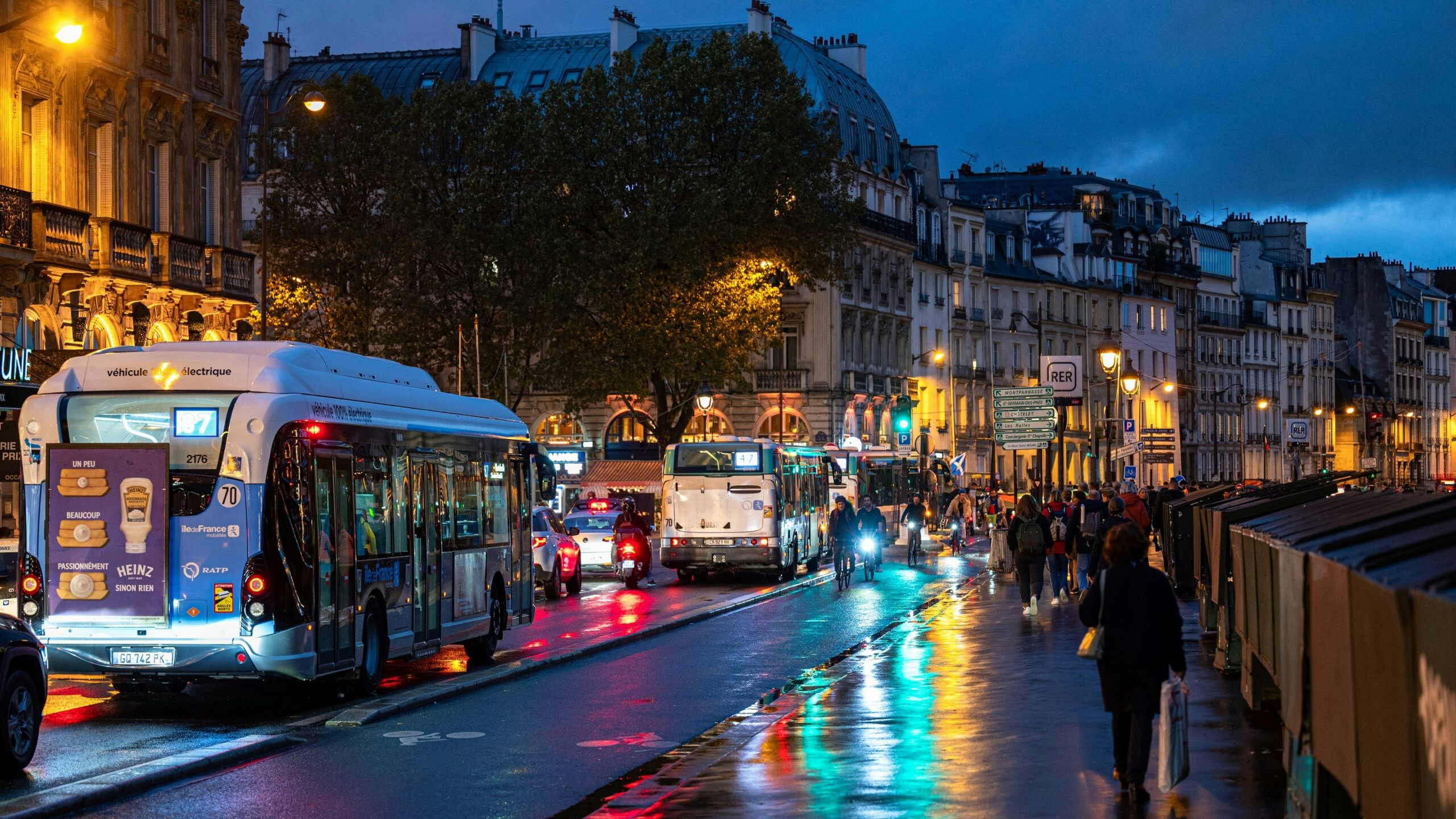
In line with global environmental goals, France is prioritizing sustainability in its transportation sector. By 2026, expect to see more electric buses, hydrogen-powered trains, and incentives for using public transit over private cars. Many cities will have expanded low-emission zones, encouraging the use of clean transportation modes. This focus on eco-friendliness not only benefits the planet but also offers travelers a greener way to experience France’s diverse landscapes.
Essential Tools for Navigating Public Transportation in 2026
To make the most of your travels, it’s crucial to familiarize yourself with the tools and resources available. In 2026, technology will be your best ally when figuring out how to navigate France’s public transportation system. Here are some key tools to keep in mind.
Mobile Apps and Digital Platforms
As mentioned, mobile apps will be indispensable. Download apps like SNCF Connect for national rail services, RATP for Parisian transport, and local apps for specific regions. These platforms provide:
- Real-time schedules and delays
- Integrated ticket purchasing and digital passes
- Multi-modal route planning (combining trains, buses, trams, etc.)
- Offline maps and notifications
Using these apps streamlines the process of how to navigate France’s public transportation system in 2026, allowing you to adapt to changes on the go.
Smart Cards and Contactless Payment
Physical smart cards, such as the Navigo card in Paris, will continue to be popular, but with enhanced features. In 2026, these cards may integrate with mobile wallets, enabling contactless payments across different transport modes. For tourists, options like the Paris Visite pass or regional passes will offer unlimited travel for set periods, making it cost-effective to explore multiple areas. When planning how to navigate France’s public transportation system in 2026, consider investing in a smart card or digital pass to save time and money.
Online Resources and Customer Support
Official websites for transport operators will remain valuable for detailed information, such as fare structures, accessibility services, and travel advisories. Many sites will offer chatbots or virtual assistants in multiple languages to help with queries. Additionally, social media channels and customer service hotlines can provide real-time assistance, ensuring you have support whenever needed.
Step-by-Step Guide to Using Public Transportation in France in 2026
Now that you’re aware of the updates and tools, let’s dive into a practical guide on how to navigate France’s public transportation system in 2026. Follow these steps to plan and execute your journeys smoothly.
Step 1: Plan Your Route in Advance
Start by using digital apps or websites to map out your route. Input your starting point and destination to see available options, including estimated travel times, costs, and transfer points. For example, if you’re traveling from Lyon to Marseille in 2026, you might find high-speed train options with minimal stops. Planning ahead helps you avoid last-minute stress and ensures you choose the most efficient mode of transport.
Step 2: Purchase Tickets or Passes Digitally
Once you’ve selected your route, use mobile apps or online platforms to buy tickets or passes. In 2026, digital tickets will be widely accepted, often in the form of QR codes or e-tickets linked to your account. For frequent travelers, consider multi-day passes or subscription services that offer discounts. Remember to check for any promotions or group rates, especially when traveling with family or friends.
Step 3: Navigate Stations and Stops Efficiently
When at stations or stops, look for digital signage and interactive maps to guide you. Many locations will have augmented reality (AR) features in apps to help you find platforms or exits. Key tips include:
- Arrive early to account for security checks or crowds
- Follow color-coded lines for different transport modes
- Use accessibility features if needed, such as elevators or ramps
This hands-on approach is central to mastering how to navigate France’s public transportation system in 2026.
Step 4: Stay Informed During Your Journey
During your trip, keep your mobile app open for real-time updates on delays, schedule changes, or alternative routes. Many services will offer in-app notifications or announcements in multiple languages. If you encounter issues, don’t hesitate to ask station staff or use customer support channels for help.
Regional Variations and Tips for 2026
France’s public transportation system varies by region, so it’s important to adapt your strategies accordingly. Here’s what to expect in different areas when learning how to navigate France’s public transportation system in 2026.
Paris and Île-de-France
In the capital region, the RATP network (metros, buses, trams) will be highly integrated with SNCF services. By 2026, expect expanded metro lines and more bike-sharing stations. Use the Navigo card or mobile apps for seamless transfers between modes. For tourists, the Paris Visite pass remains a top choice for unlimited travel.
Provence-Alpes-Côte d’Azur and Other Coastal Areas
Coastal regions like the French Riviera will emphasize sustainable transport, with enhanced tram and bus networks connecting cities like Nice and Marseille. In 2026, look for eco-friendly options and scenic routes that make traveling a pleasure. Regional passes, such as the Zou! card, can simplify how to navigate France’s public transportation system in 2026 in these areas.
Rural and Mountainous Regions
In less urbanized areas, public transportation may be less frequent but still accessible. By 2026, initiatives like on-demand bus services and community shuttles will improve connectivity. Plan ahead using regional apps and consider renting cars or bikes for flexibility. This is especially useful when exploring the Alps or countryside.
Common Challenges and Solutions for 2026
Even with advancements, travelers may face challenges. Here are some potential issues and how to address them when figuring out how to navigate France’s public transportation system in 2026.
Language Barriers
While many digital tools offer English options, not all staff or signage may be bilingual. Solution: Use translation apps or learn basic French phrases related to transportation. Most apps will have language settings to assist you.
Peak Travel Times and Crowds
During holidays or rush hours, services can be crowded. Solution: Travel during off-peak hours if possible, and book tickets in advance to secure seats. Apps often show crowd levels to help you plan.
Technical Glitches or Outages
Digital systems may occasionally fail. Solution: Have backup plans, such as printed schedules or alternative routes. Keep customer service numbers handy for immediate assistance.
Conclusion: Mastering France’s Public Transportation in 2026
In summary, learning how to navigate France’s public transportation system in 2026 is about embracing digital innovation, planning ahead, and adapting to regional nuances. With enhanced apps, expanded networks, and a focus on sustainability, traveling across France will be more efficient and enjoyable than ever. By using the tools and tips outlined in this guide, you can confidently explore cities, countryside, and coastal areas, making the most of your journey. Whether you’re a first-time visitor or a seasoned traveler, mastering how to navigate France’s public transportation system in 2026 will open up endless possibilities for discovery and adventure.
Photo by Jan-Willem van Braak on Unsplash