Table des matières:
Introduction
Florence, the cradle of the Renaissance, is a city that overflows with artistic and architectural treasures. Whether you’re a first-time visitor or a seasoned traveler, the question “What are the must-see attractions in Florence?” is essential to planning an unforgettable trip. From iconic cathedrals to world-renowned museums, Florence offers a wealth of experiences that captivate the senses. In this guide, we’ll explore the top sights that should be on every traveler’s itinerary, ensuring you don’t miss the city’s most remarkable landmarks.
The Duomo: Florence’s Iconic Cathedral
The Cathedral of Santa Maria del Fiore
No visit to Florence is complete without marveling at the Duomo, officially known as the Cathedral of Santa Maria del Fiore. Its magnificent dome, designed by Filippo Brunelleschi, dominates the city skyline. Climb the 463 steps to the top for a panoramic view of Florence that is simply breathtaking. The cathedral’s façade, clad in white, green, and pink marble, is a masterpiece of Gothic architecture.
Giotto’s Campanile and the Baptistery
Adjacent to the Duomo, Giotto’s Campanile offers another climbing opportunity with equally stunning views. The Baptistery, with its famous bronze doors known as the “Gates of Paradise” by Lorenzo Ghiberti, is a must-see. These structures form the heart of Florence’s religious and architectural heritage.
The Uffizi Gallery: A Treasure Trove of Renaissance Art
The Uffizi Gallery is one of the most famous art museums in the world, housing an unparalleled collection of Renaissance masterpieces. Here, you can admire works by Botticelli, Leonardo da Vinci, Michelangelo, and Raphael. The gallery’s layout follows a chronological order, allowing visitors to trace the evolution of art from the Middle Ages to the Baroque period. Must-see pieces include Botticelli’s “The Birth of Venus” and Leonardo da Vinci’s “Annunciation.” To avoid long queues, book your tickets in advance.
Ponte Vecchio: The Historic Bridge
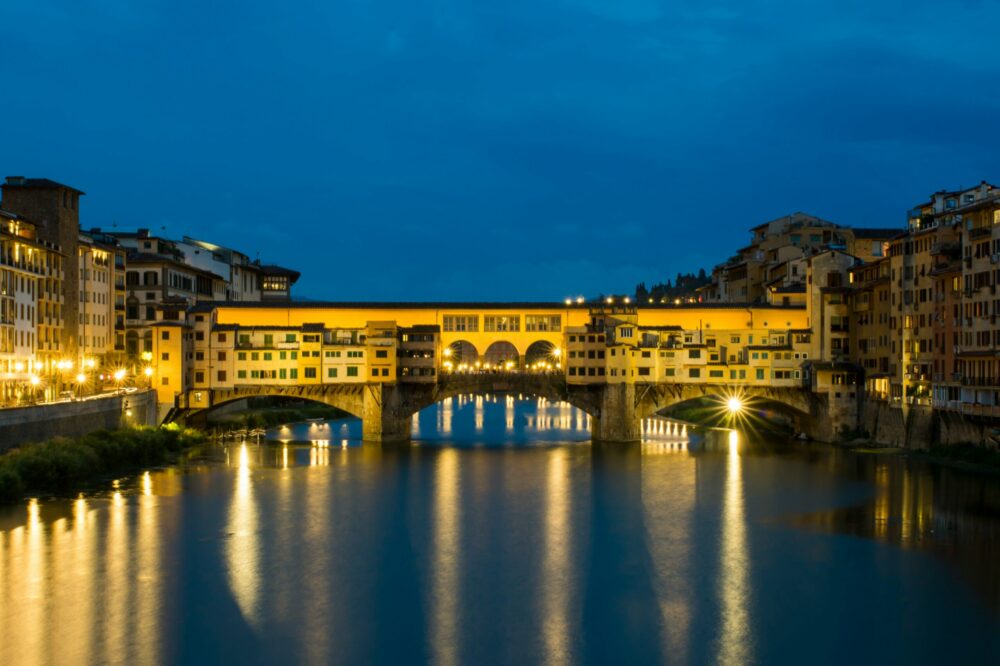
Spanning the Arno River, Ponte Vecchio is Florence’s oldest and most famous bridge. What makes it unique are the shops built along its sides, traditionally occupied by goldsmiths and jewelers. Stroll across the bridge at sunset for a romantic view, and explore the Corridoio Vasariano, a hidden passageway that connects the Uffizi to the Pitti Palace. The bridge survived World War II and remains a symbol of Florence’s resilience.
Accademia Gallery: Home of Michelangelo’s David
The Accademia Gallery is a compact museum that draws millions of visitors eager to see Michelangelo’s David. This iconic marble statue, standing at 17 feet tall, is a testament to human perfection and artistic genius. Beyond David, the gallery houses Michelangelo’s unfinished “Slaves” and a collection of musical instruments. Due to its popularity, it’s advisable to book tickets well in advance.
Piazza della Signoria and Palazzo Vecchio
Piazza della Signoria is the political heart of Florence, an open-air museum filled with statues, including a copy of Michelangelo’s David and the Fountain of Neptune. The Palazzo Vecchio, the city’s town hall, offers tours of its lavish rooms and secret passages. Climb the tower for another stunning view of the city. This square has been a center of Florentine life for centuries.
Boboli Gardens and Pitti Palace
On the south bank of the Arno, the Pitti Palace was once the residence of the Medici family. Today, it houses several museums, including the Palatine Gallery with its collection of Renaissance paintings. Behind the palace, the Boboli Gardens are a sprawling example of Italian Renaissance landscaping, featuring fountains, sculptures, and panoramic views. A visit here offers a peaceful escape from the city’s crowds.
The Basilica of Santa Croce
The Basilica of Santa Croce is the burial place of some of Italy’s most illustrious figures, including Michelangelo, Galileo, and Machiavelli. Its Gothic architecture and frescoes by Giotto make it a must-see attraction. The church is also home to the Pazzi Chapel, a masterpiece of Renaissance architecture by Brunelleschi. The adjacent leather school offers a chance to see artisans at work.
San Lorenzo and the Medici Chapels
The Basilica of San Lorenzo is one of Florence’s oldest churches, but its main draw is the Medici Chapels. The New Sacristy, designed by Michelangelo, contains tombs of Medici family members, adorned with his sculptures. The Chapel of the Princes is a lavish octagonal room inlaid with precious stones. This complex provides insight into the power and influence of the Medici dynasty.
Mercato Centrale and San Lorenzo Market
For a taste of local life, visit the Mercato Centrale, a two-story market. The ground floor sells fresh produce, meat, and cheese, while the upper floor offers a variety of food stalls and restaurants. The outdoor San Lorenzo Market is famous for leather goods, souvenirs, and clothing. It’s a great place to pick up gifts and enjoy authentic Florentine street food.
Fiesole: A Hilltop Escape
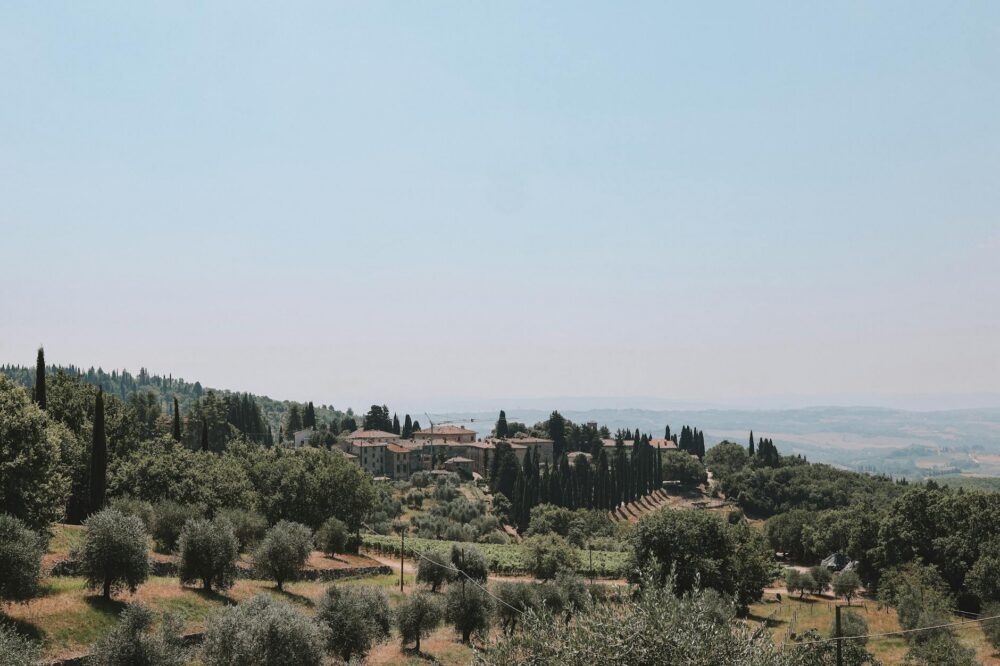
Just a short bus ride from Florence, the hilltop town of Fiesole offers a different perspective. Visit the ancient Roman amphitheater and enjoy panoramic views of Florence and the surrounding countryside. Fiesole provides a peaceful retreat from the city’s hustle and bustle, with charming streets and excellent restaurants.
Practical Tips for Visiting Florence’s Attractions
- Book tickets in advance: Major attractions like the Uffizi and Accademia often have long lines. Skip the queue by reserving online.
- Consider a city pass: The Firenze Card offers access to many museums and unlimited public transport, though it may not be cost-effective for short stays.
- Visit early or late: To avoid crowds, plan your visits for early morning or late afternoon.
- Wear comfortable shoes: Florence is best explored on foot, with many cobblestone streets.
- Respect dress codes: Churches require modest attire (cover shoulders and knees).
Conclusion
Florence is a city that rewards exploration with every step. From the awe-inspiring Duomo to the artistic riches of the Uffizi, the must-see attractions in Florence offer a journey through history, art, and culture. By planning ahead and prioritizing the sights that resonate most with you, you can experience the magic of this Renaissance gem. Whether you’re standing before Michelangelo’s David or crossing the Ponte Vecchio at dusk, Florence will leave an indelible mark on your heart. Now that you know what to see, start planning your trip and immerse yourself in the beauty of Florence.
Photo by Faruk Kaymak on Unsplash