
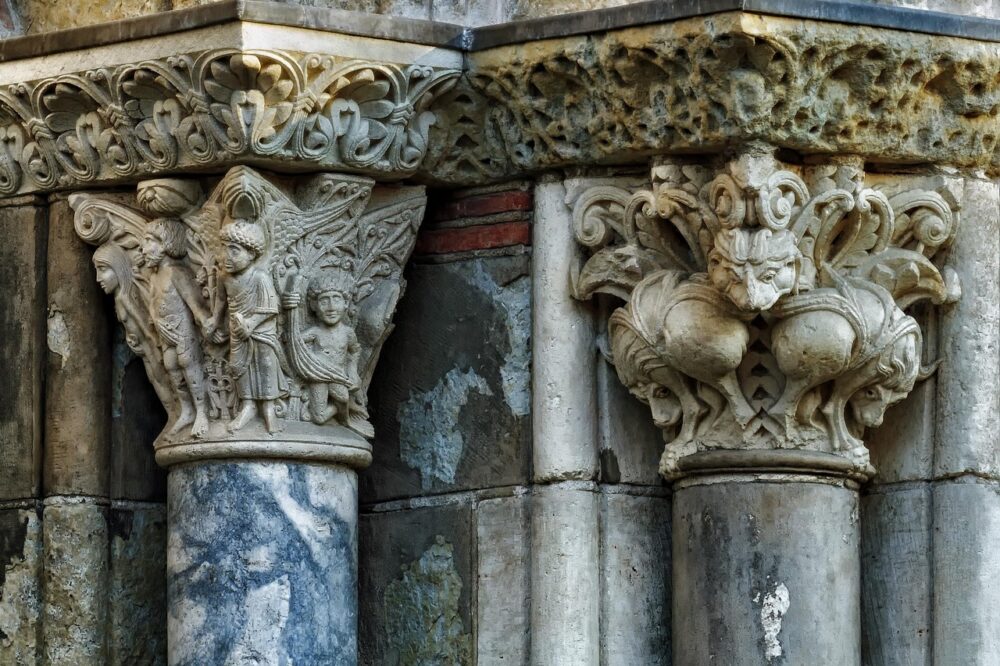
When you search for the most historic 5-star hotels in Toulouse, you’re not just looking for a place to sleep—you’re seeking an experience that connects you to the city’s rich past. Toulouse, known as La Ville Rose for its terracotta brick architecture, boasts a lineup of luxury hotels that have witnessed centuries of history. From former noble mansions to converted convents, these properties offer a blend of old-world charm and modern opulence. In this guide, we explore the crème de la crème of historic 5-star accommodations in Toulouse, detailing their unique stories, architectural features, and what makes each stay unforgettable.
Table des matières:
Why Choose a Historic 5-Star Hotel in Toulouse?
Toulouse is a city where history breathes through every cobblestone. Staying at a historic 5-star hotel allows you to immerse yourself in the city’s heritage while enjoying top-tier service. These hotels often occupy buildings that were once private mansions, monasteries, or even palaces. Their architecture reflects centuries of design—from Renaissance courtyards to Haussmannian façades—and many are located in the heart of the UNESCO-listed historic center. Beyond aesthetics, these properties offer curated experiences like private tours, wine tastings, and access to exclusive cultural sites.
The Most Historic 5-Star Hotels in Toulouse
Below is a curated list of the most historic 5-star hotels in Toulouse, each with its own story and unique appeal.
1. Grand Hôtel de l’Opéra – A 17th-Century Convent Turned Palace
Originally built as a convent for the Order of the Visitation in the 17th century, this hotel later became a private mansion and eventually a luxury hotel. Its location on Place du Capitole places it at the very heart of Toulouse. The building’s grand staircase, ornate ceilings, and cloister-style courtyard are remnants of its religious past. Today, it offers 47 rooms and suites, a Michelin-starred restaurant, and a spa. The hotel’s history is palpable in every corridor, with original stonework and frescoes preserved.
Architectural Highlights
- 17th-century cloister with a central fountain
- Grand staircase with wrought-iron railings
- Original frescoes in the salon
- Terrace overlooking the Capitole
2. Hôtel de France – A Belle Époque Icon
Built in 1900 for the Universal Exposition, the Hôtel de France is a masterpiece of Belle Époque architecture. Its façade features sculpted stone and large windows, while inside, the lobby dazzles with a stained-glass dome and marble columns. The hotel has hosted artists, writers, and politicians over the decades. Its 35 rooms are individually decorated, blending period furniture with modern amenities. The restaurant, under a glass roof, serves classic French cuisine.
Notable Features
- Stained-glass dome by Louis-Victor Gesta
- Original marble staircase
- Proximity to the Théâtre du Capitole
- Private dining rooms with frescoes
3. La Cour des Consuls – A Renaissance Mansion in the Heart of the City
This hotel occupies a 16th-century mansion that once belonged to the powerful Capitouls (municipal magistrates). The building’s Renaissance façade and courtyard are listed as historic monuments. After a meticulous restoration, it reopened as a 5-star hotel with 33 rooms and suites. The interior combines exposed brick, stone walls, and contemporary art. The spa is housed in the vaulted cellars, offering a unique atmosphere.
What Makes It Unique
- Renaissance courtyard with arcades
- Original wooden ceilings and fireplaces
- Vaulted cellar spa
- Located in the historic Saint-Étienne district
4. Hôtel de l’Opéra – A Modern Classic with Historic Roots
Not to be confused with the Grand Hôtel de l’Opéra, this smaller property is situated in a 19th-century building adjacent to the opera house. Its history is tied to the performing arts, and the decor reflects a theatrical flair. With only 20 rooms, it offers an intimate experience. The hotel’s bar is a popular spot for pre-show drinks, and the rooftop terrace provides views of the Capitole.
Atmosphere and Service
- Opera-themed decor with red velvet and gold accents
- Personalized concierge service
- Rooftop terrace with city views
- Walking distance to major attractions
5. Le Grand Balcon – A Literary Landmark
Le Grand Balcon is famous for its connection to Antoine de Saint-Exupéry, the author of The Little Prince, who stayed here when he was a pilot for Aéropostale. The hotel, originally built in the 1920s, has been renovated to reflect the golden age of aviation. Its Art Deco style is evident in the geometric patterns and brass details. The rooftop bar, Le Sky Lounge, offers panoramic views. This hotel is a favorite among aviation enthusiasts and literature lovers.
Historical Significance
- Saint-Exupéry’s former residence
- Art Deco architecture and furnishings
- Aviation-themed suites with original photographs
- Rooftop bar named after the author
What to Look for in a Historic 5-Star Hotel
When booking a historic 5-star hotel in Toulouse, consider these factors to ensure an authentic experience:
- Architectural Integrity: Look for properties that preserve original features like frescoes, staircases, and courtyards.
- Location: Ideally in the historic center, near the Capitole, Saint-Sernin, or the Garonne riverbanks.
- Service: Concierge services that offer private tours of historic sites or wine tastings.
- Modern Amenities: While historic, the hotel should offer modern comforts like air conditioning, Wi-Fi, and spa facilities.
- Authenticity: Check if the hotel has a story or connection to notable historical figures or events.
Comparison Table: Top Historic 5-Star Hotels in Toulouse
| Hotel | Era | Unique Feature | Number of Rooms | Price Range (per night) |
|---|---|---|---|---|
| Grand Hôtel de l’Opéra | 17th century | Former convent with cloister | 47 | €300–€800 |
| Hôtel de France | 1900 (Belle Époque) | Stained-glass dome | 35 | €250–€700 |
| La Cour des Consuls | 16th century | Renaissance courtyard | 33 | €280–€750 |
| Hôtel de l’Opéra | 19th century | Opera-themed decor | 20 | €200–€600 |
| Le Grand Balcon | 1920s (Art Deco) | Saint-Exupéry’s stay | 45 | €220–€650 |
Common Mistakes to Avoid When Booking a Historic Hotel
Even the most beautiful historic hotel can disappoint if you don’t plan ahead. Here are pitfalls to avoid:
- Assuming All Rooms Are Historic: Some rooms may be modernized; request a room with original features.
- Ignoring Noise Levels: Historic buildings may have thin walls; check for soundproofing or request a quiet room.
- Skipping the Concierge: They can arrange exclusive access to historic sites like the Capitole’s private rooms.
- Not Checking for Accessibility: Many historic buildings lack elevators; confirm if this is an issue.
- Forgetting to Book Dining: Michelin-starred restaurants in these hotels fill up fast.
Frequently Asked Questions About Historic 5-Star Hotels in Toulouse
Are these hotels family-friendly?
Yes, most historic 5-star hotels in Toulouse welcome families and offer connecting rooms or suites. However, some may have age restrictions for spa access or fine dining. It’s best to check in advance.
Do these hotels offer guided tours of the property?
Many do. For example, the Grand Hôtel de l’Opéra provides a historical tour of its convent origins. Ask the concierge upon arrival.
What is the best time of year to stay?
Spring (April–June) and autumn (September–October) offer mild weather and fewer crowds. The Christmas season is also magical, with festive decorations in the historic center.
Can I visit these hotels even if I’m not a guest?
Yes, you can often visit the lobby, bar, or restaurant. The Grand Hôtel de l’Opéra’s courtyard and the Hôtel de France’s stained-glass dome are worth seeing.
Which hotel is closest to the airport?
The Grand Hôtel de l’Opéra is about 15 minutes by taxi from Toulouse-Blagnac Airport. All hotels are within 20 minutes.
Do any of these hotels have a spa?
Yes, the Grand Hôtel de l’Opéra and La Cour des Consuls have full-service spas. Le Grand Balcon has a rooftop bar but no spa.
Your Next Step: Book a Stay That Connects You to Toulouse’s Soul
Choosing one of the most historic 5-star hotels in Toulouse means you’re not just booking a room—you’re securing a piece of the city’s heritage. Whether you prefer the cloistered tranquility of a former convent, the theatrical glamour of a Belle Époque icon, or the aviation romance of an Art Deco landmark, each property offers a unique window into Toulouse’s past. To make the most of your stay, book directly with the hotel for the best rates and ask about heritage packages that include guided tours or champagne upon arrival. Your historic getaway awaits.
Which of these hotels is closest to the Capitole? I want to be right in the center for sightseeing.
The Grand Hôtel de l’Opéra is located directly on Place du Capitole, making it the closest to the square and ideal for sightseeing. Hôtel de France and La Cour des Consuls are also within a short walk.
Great list! I’d add that the Grand Hôtel de l’Opéra’s restaurant has a fantastic tasting menu. Worth mentioning for foodies.
Thanks for the tip! Their Michelin-starred restaurant is indeed a highlight, and we should have emphasized the culinary experience. The cloister courtyard setting adds to the ambiance.
Do any of these hotels offer guided historical tours of their buildings? That would be a nice bonus.
Yes, some historic hotels in Toulouse offer guided tours of their architecture and history. It’s best to contact the concierge at Grand Hôtel de l’Opéra or Hôtel de France directly to inquire about private tours.
I’m concerned about noise—are these hotels well soundproofed given their historic structures?
Historic buildings can have charm but sometimes less soundproofing. However, many 5-star hotels like La Cour des Consuls have modernized with double-glazed windows and insulation. Check reviews or ask the hotel about room locations away from street noise.