
Table des matières:
Overview of Medical Education in Nice
Nice, located on the French Riviera, is home to the renowned Faculté de Médecine de Nice, part of Université Côte d’Azur. It is one of France’s leading medical schools, offering a full spectrum of medical training from undergraduate to postgraduate levels. The school is known for its strong research focus, modern simulation centers, and clinical partnerships with top hospitals like the Centre Hospitalier Universitaire de Nice (CHU de Nice).
What Are the Medical Schools in Nice?
The primary medical school in Nice is the Faculté de Médecine de Nice, which is the only public medical school in the city. It is part of the Université Côte d’Azur, a major research university. There are no other accredited medical schools in Nice, but some private institutions offer health-related programs (e.g., nursing, physiotherapy) that are not medical degrees. For those seeking a full medical degree (MD), the Faculté de Médecine de Nice is the sole option.
Programs Offered at Nice Medical School
Undergraduate Medical Studies (DFGSM)
The first cycle (DFGSM1-3) corresponds to the initial three years. In France, the first year is the PASS (Parcours Accès Spécifique Santé) or L.AS (Licence Accès Santé) track, which replaced the old PACES system. Students must pass a competitive exam to advance. The curriculum covers basic sciences (anatomy, physiology, biochemistry) and introduces clinical skills.
Graduate Medical Studies (DFASM)
The second cycle (DFASM1-3) spans three years, focusing on clinical rotations in hospitals. Students rotate through specialties such as internal medicine, surgery, pediatrics, and obstetrics. They also prepare for the national ranking exam (ECN) at the end of this cycle.
Postgraduate Medical Training (Internship and Residency)
After passing the ECN, graduates choose a specialty and enter residency (internat). Nice offers residency programs in all major specialties, with training at CHU de Nice and affiliated hospitals. Duration ranges from 4 to 6 years depending on the specialty.
Research and Doctoral Programs
The school also offers Master’s and PhD programs in biomedical sciences, public health, and medical research. Many students combine clinical training with a research thesis.
Admission Requirements for Nice Medical School
Admission to the Faculté de Médecine de Nice is highly competitive. For French students, the main entry point is through the Parcoursup platform after high school. The key requirements include:
- High school diploma (Baccalauréat) with strong grades in science subjects (biology, chemistry, physics, mathematics).
- Successful completion of the PASS or L.AS first year with a high rank to proceed to the second year.
- For international students: equivalent secondary education, French language proficiency (DELF B2 or higher), and validation of diplomas through the DAP (Demande d’Admission Préalable) process.
- Some transfer students may be accepted from other EU medical schools with equivalent coursework.
Tips for a Strong Application
- Aim for top grades in science subjects during high school.
- Prepare thoroughly for the PASS/L.AS competition: many students attend prep schools (prépas) or use online resources.
- Gain healthcare-related volunteer experience to demonstrate commitment.
- For international students, ensure your French is fluent, as all instruction is in French.
Tuition and Fees
As a public university, tuition at the Faculté de Médecine de Nice is low compared to many countries. For the 2023-2024 academic year:
| Student Category | Annual Tuition (approx.) |
|---|---|
| EU/EEA students | €170 (Bachelor), €243 (Master) |
| Non-EU students | €2,770 (Bachelor), €3,770 (Master) – partial exemptions possible |
| Additional fees | CVEC (€95/year), health insurance (approx. €200/year) |
Scholarships are available based on merit and financial need, including the French government’s Bourses sur critères sociaux and the Eiffel Excellence Scholarship for international students.
Campus and Facilities
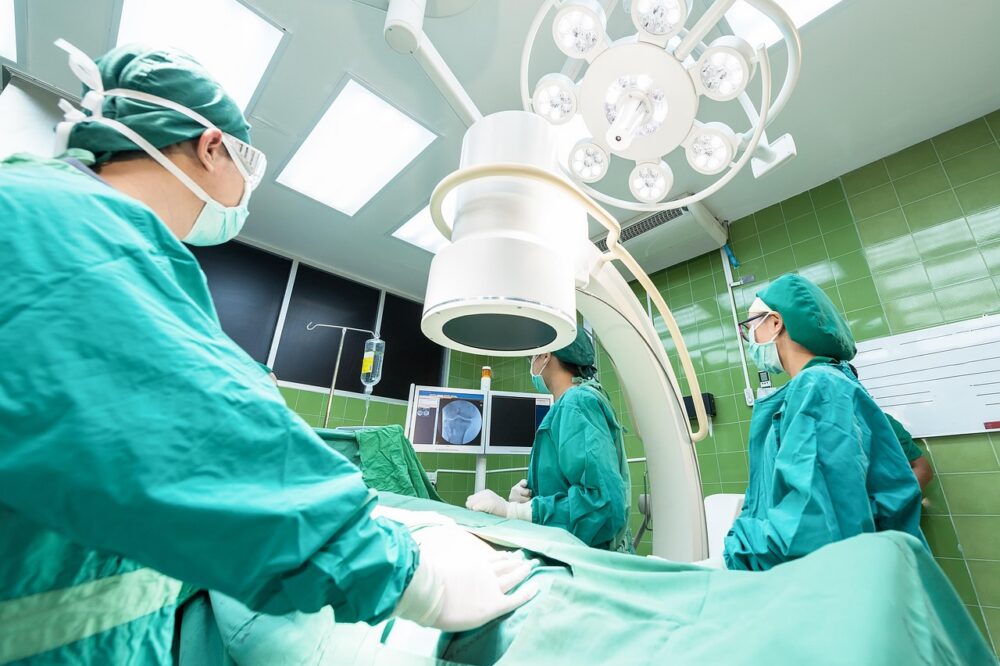
The medical school is located on the Valrose Campus and the Saint-Jean d’Angély Campus in central Nice. Facilities include:
- State-of-the-art simulation center with mannequins and virtual reality for surgical training.
- Research laboratories affiliated with the Institut de Recherche sur le Cancer et le Vieillissement (IRCAN).
- Modern lecture halls, a medical library, and student lounges.
- Clinical training at CHU de Nice, which includes several hospitals (Pasteur, Archet, Lenval) covering all specialties.
Career Prospects After Graduation
Graduates from Nice medical school are well-prepared for careers in medicine. About 90% of students match into a residency program of their choice after the national exam. Popular specialties include:
- General practice (médecine générale) – about 30% of graduates.
- Surgery, pediatrics, cardiology, and emergency medicine.
- Research and academic medicine – many pursue PhDs.
Salaries for residents start around €1,600–€2,000 net per month, increasing to €3,000–€6,000 after specialization. Private practice can yield higher earnings. Nice also offers opportunities in medical tourism due to its location.
Frequently Asked Questions
Is Nice medical school taught in English?
No, the medical program is taught entirely in French. International students must demonstrate proficiency (B2 or higher). Some research programs may have English components.
How competitive is admission to Nice medical school?
Very competitive. Only about 15-20% of PASS students advance to second year. Strong academic records and high motivation are essential.
Can international students apply directly?
Yes, but they must go through the DAP process for first-year entry or equivalency for advanced standing. Non-EU students face additional visa requirements.
What is the duration of medical studies in Nice?
The full MD program takes 9 years: 6 years of preclinical and clinical studies, plus 3 years of residency (longer for some specialties).
Are there scholarships for international students?
Yes, including the Eiffel Excellence Scholarship, French government scholarships, and university-specific grants. Check the Campus France website for details.
What is the ranking of Nice medical school?
Faculté de Médecine de Nice is consistently ranked among the top 10 medical schools in France. It is known for research output and clinical training.
Your Next Steps: Applying to Medical School in Nice
If you’re considering studying medicine in Nice, start early. Research the PASS/L.AS curriculum, prepare for the competitive first year, and ensure your French is strong. For international students, contact the university’s international office and begin the DAP process at least a year in advance. Visit the official website for up-to-date information. Good luck!




I’m considering the PASS track. How competitive is it to advance to the second year?
The PASS track is very competitive. Only a limited number of top-ranked students move on to the second year. Strong performance in science subjects and consistent study are essential.
Is the Faculté de Médecine de Nice the only medical school in Nice, or are there any other options for studying medicine?
Yes, the Faculté de Médecine de Nice is the only public medical school in Nice offering a full MD degree. Other institutions in the city provide health-related programs like nursing or physiotherapy, but not medical degrees.
Do residency programs in Nice cover all major specialties, and how long do they typically last?
Nice offers residency in all major specialties, with durations from 4 to 6 years depending on the specialty. Training takes place at CHU de Nice and affiliated hospitals.
What are the specific French language requirements for international students applying to Nice medical school?
International students typically need DELF B2 or higher in French. Some programs may require C1, so it’s best to check the official Université Côte d’Azur website for the latest requirements.
Nice medical school’s research focus sounds great. Are there opportunities for students to get involved in research early on?
Yes, students can engage in research through Master’s and PhD programs, and some even combine clinical training with a research thesis. Early involvement may be possible through elective projects or summer internships.