Table des matières:
Introduction to Barcelona’s Cultural Etiquette
Barcelona, the vibrant capital of Catalonia, is a city rich in history, art, and unique traditions. As a popular tourist destination, understanding local customs and etiquette tips for tourists in Barcelona is crucial for a respectful and enjoyable visit. This guide provides essential insights into Catalan culture, helping you navigate social norms, dining practices, and daily interactions with ease. By embracing these tips, you’ll not only avoid common mistakes but also connect more deeply with the local way of life, making your trip more memorable and authentic.
Understanding Catalan Culture and Identity
Barcelona is part of Catalonia, a region with a distinct cultural identity. Locals often identify strongly as Catalan rather than Spanish, and this pride influences many aspects of daily life. When discussing local customs and etiquette tips for tourists in Barcelona, it’s important to recognize this cultural nuance. For example, using Catalan phrases like “bon dia” (good day) or “gràcies” (thank you) can show respect and appreciation for the local language, even though Spanish is widely spoken. Avoid making assumptions about politics or identity, as these topics can be sensitive. Instead, focus on learning about Catalan traditions, such as festivals like La Mercè or Sant Jordi, to engage positively with the culture.
Key Cultural Norms to Observe
In Barcelona, social interactions are often warm and informal, but certain norms should be followed. Greetings typically involve a handshake or, among friends, a kiss on each cheek. When meeting someone for the first time, a polite handshake is appropriate. Punctuality is relaxed compared to some cultures; it’s common for social events to start a bit late, but for business or formal appointments, aim to be on time. Dress codes are generally casual but neat, especially in religious sites or upscale restaurants. By adhering to these norms, you demonstrate respect for local customs and etiquette tips for tourists in Barcelona, enhancing your interactions with residents.
Dining Etiquette and Food Culture
Food is central to life in Barcelona, and understanding dining etiquette is a key part of local customs and etiquette tips for tourists in Barcelona. Meals often follow a later schedule than in many countries: lunch is typically around 2-3 PM, and dinner starts at 9 PM or later. When dining out, it’s customary to greet staff with a friendly “hola” and wait to be seated. Tipping is not mandatory, as service is usually included, but leaving small change or rounding up the bill is appreciated for good service. Avoid rushing through meals; locals enjoy leisurely dining as a social experience. Try traditional dishes like paella or tapas, and remember to use utensils properly, as eating with your hands is generally reserved for specific foods like sandwiches or tapas.
Tips for Ordering and Sharing Food
In Barcelona, sharing food is common, especially with tapas. When ordering, consider these points:
- Tapas are small plates meant for sharing; order a variety to sample different flavors.
- It’s polite to offer food to others at the table before serving yourself.
- If invited to a local’s home, bring a small gift like wine or dessert as a token of appreciation.
- Respect meal times by avoiding restaurants during siesta hours (around 4-8 PM), when many places close.
By following these practices, you align with local customs and etiquette tips for tourists in Barcelona, ensuring a pleasant dining experience.
Social Interactions and Communication
Effective communication is vital when exploring local customs and etiquette tips for tourists in Barcelona. While many locals speak English, especially in tourist areas, making an effort to use basic Catalan or Spanish phrases is highly regarded. Speak at a moderate volume in public spaces, as loud conversations can be seen as disruptive. In social settings, topics like family, food, and travel are safe and engaging, while avoiding controversial subjects like politics or regional independence unless initiated by locals. Body language is also important; maintain eye contact during conversations to show interest and respect. These small gestures can significantly improve your interactions and help you blend in with the local community.
Navigating Public Spaces and Transportation
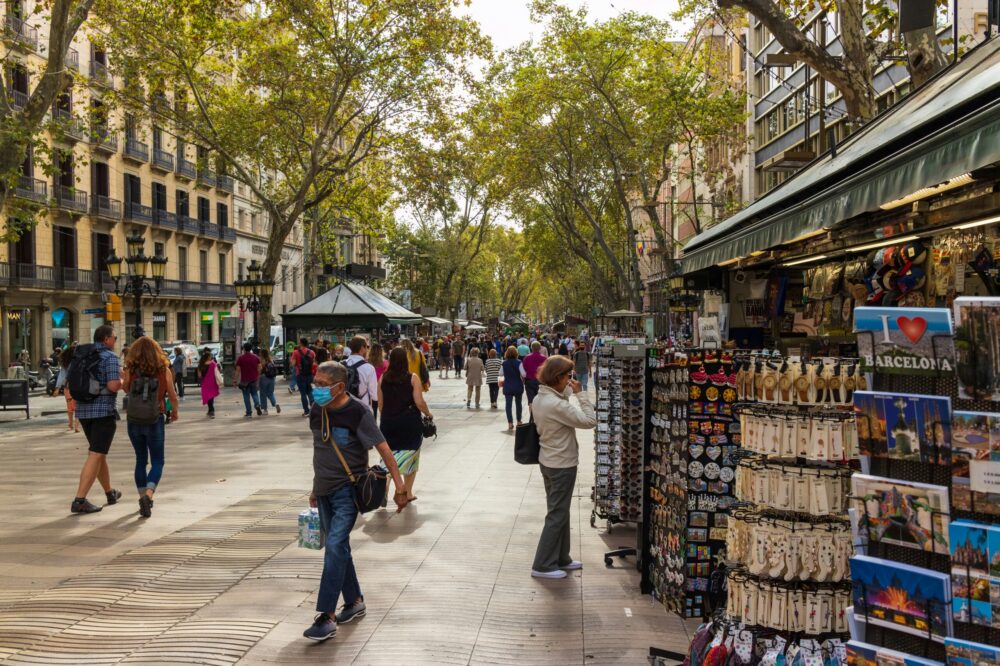
Barcelona’s public spaces and transportation systems have their own etiquette rules. On public transport, such as buses or the metro, offer seats to elderly or pregnant individuals, and keep noise levels low. When walking in crowded areas like Las Ramblas, stay to the right to allow others to pass. In queues, be patient and avoid cutting in line. For taxis, it’s customary to round up the fare as a tip. By observing these behaviors, you contribute to a respectful atmosphere and adhere to local customs and etiquette tips for tourists in Barcelona, making your travels smoother and more enjoyable.
Visiting Religious and Historical Sites
Barcelona is home to stunning religious and historical sites, such as the Sagrada Família and Gothic Quarter. When visiting these places, respect is paramount. Dress modestly by covering shoulders and knees, especially in churches. Speak quietly and avoid using flash photography if prohibited. Follow any posted rules, such as not touching artifacts or staying in designated areas. These practices are essential local customs and etiquette tips for tourists in Barcelona, as they show reverence for the city’s heritage and help preserve these sites for future visitors. Taking time to learn about the history behind these landmarks can also enrich your experience and demonstrate cultural appreciation.
Etiquette for Photography and Souvenirs
While capturing memories is a big part of travel, be mindful of etiquette:
- Always ask for permission before taking photos of people, especially in markets or private events.
- Respect no-photography signs in museums or sacred spaces.
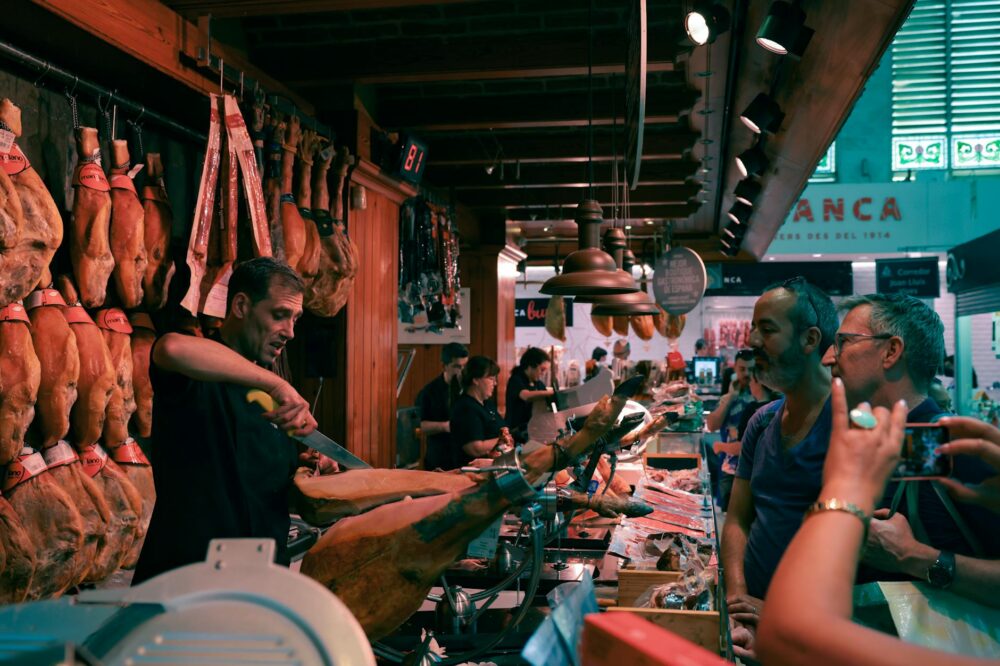
- When buying souvenirs, bargain politely in markets like La Boqueria, but avoid haggling in fixed-price shops.
- Support local artisans by purchasing authentic Catalan products, such as caganer figurines or handmade ceramics.
These actions reflect local customs and etiquette tips for tourists in Barcelona, ensuring you travel responsibly and respectfully.
Conclusion: Embracing Barcelona’s Culture with Respect
In summary, mastering local customs and etiquette tips for tourists in Barcelona is key to a fulfilling and respectful visit. From dining practices to social interactions, these guidelines help you navigate the city’s unique culture with confidence. By learning basic phrases, observing dining norms, and respecting public spaces, you’ll not only avoid faux pas but also build positive connections with locals. Remember, travel is about immersion and appreciation; embracing these etiquette tips enhances your experience and leaves a good impression. As you explore Barcelona’s vibrant streets and rich heritage, let these insights guide you toward a more authentic and enjoyable journey, rooted in respect for Catalan traditions.
Photo by Martijn Vonk on Unsplash