Table des matières:
Where to Learn About French History at Museums Like the Musée d’Orsay
French history is a rich tapestry woven from revolutions, artistic movements, and cultural milestones. For those wondering where to learn about French history at museums like the Musée d’Orsay, the answer lies in a network of world-class institutions across France. These museums offer immersive experiences that bring historical narratives to life through art, artifacts, and interactive displays. From the grandeur of Paris to regional gems, this guide explores the best places to delve into France’s past, with a focus on institutions that complement the Musée d’Orsay’s offerings.
Why Museums Are Essential for Understanding French History
Museums serve as gateways to history, providing context and connection to bygone eras. In France, museums like the Musée d’Orsay are not just repositories of art; they are storytellers of national identity. They capture pivotal moments, from the Ancien Régime to modern times, through carefully curated collections. Learning about French history in these settings allows visitors to engage with primary sources, such as paintings, sculptures, and documents, making the past tangible and relatable.
The Role of the Musée d’Orsay in French Historical Education
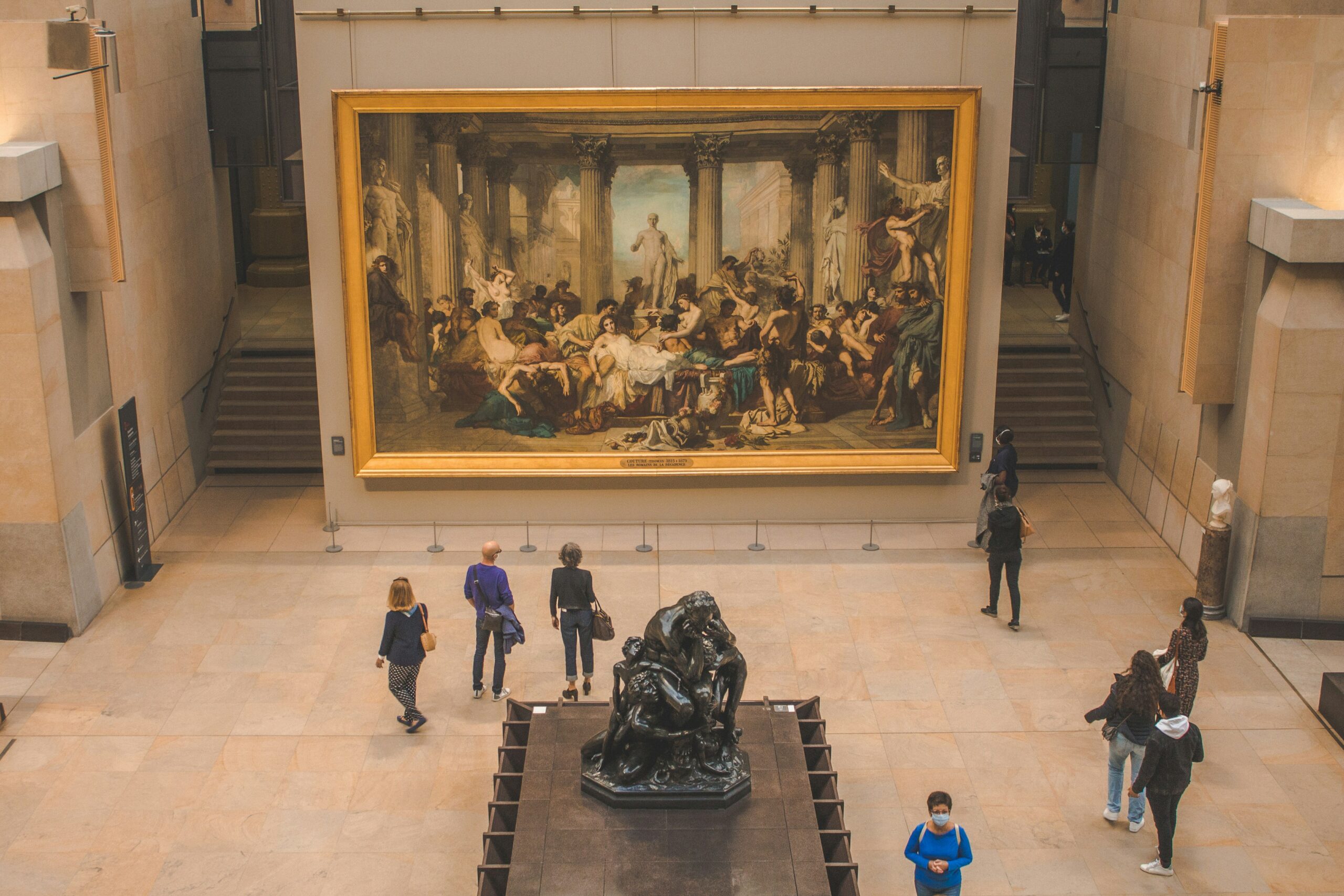
The Musée d’Orsay, housed in a former railway station, is renowned for its Impressionist and Post-Impressionist masterpieces. However, it also plays a crucial role in teaching French history from 1848 to 1914. This period encompasses the Second Empire, the Paris Commune, and the Belle Époque, all reflected in the art on display. By exploring works by Monet, Degas, and Van Gogh, visitors gain insights into societal changes, technological advancements, and cultural shifts. For those seeking where to learn about French history at museums like the Musée d’Orsay, this institution offers a unique lens on 19th-century France.
Top Museums to Learn About French History Beyond the Musée d’Orsay
While the Musée d’Orsay is a highlight, numerous other museums across France provide comprehensive historical education. Here are key institutions to consider for a deeper understanding of French history.
Musée du Louvre: From Antiquity to the 19th Century
The Louvre is not only an art museum but a historical journey through France and beyond. Its collections span from ancient civilizations to the mid-19th century, offering context on French monarchy, the Renaissance, and the Napoleonic era. Highlights include:
- The Coronation of Napoleon by Jacques-Louis David, depicting early 19th-century political history.
- French royal artifacts, such as the Crown Jewels, illustrating the opulence of the Ancien Régime.
- Medieval foundations of the Louvre itself, showcasing the fortress origins of the palace.
Visiting the Louvre complements a trip to the Musée d’Orsay by covering earlier periods of French history.
Musée de l’Armée: Military History and National Identity
Located at Les Invalides in Paris, the Musée de l’Armée delves into France’s military past from the Middle Ages to World War II. It addresses key events like the French Revolution, Napoleonic Wars, and both World Wars. Exhibits include uniforms, weapons, and personal stories, providing a nuanced view of how conflict shaped the nation. For those exploring where to learn about French history at museums like the Musée d’Orsay, this museum adds depth to understanding France’s geopolitical evolution.
Musée Carnavalet: The History of Paris
Dedicated to Parisian history, the Musée Carnavalet covers from prehistoric times to the present. It features reconstructions of historic rooms, revolutionary memorabilia, and artifacts from daily life. This museum is ideal for understanding the urban development and social dynamics that influenced broader French history. Its focus on Paris aligns with the Musée d’Orsay’s emphasis on the city’s 19th-century transformation.
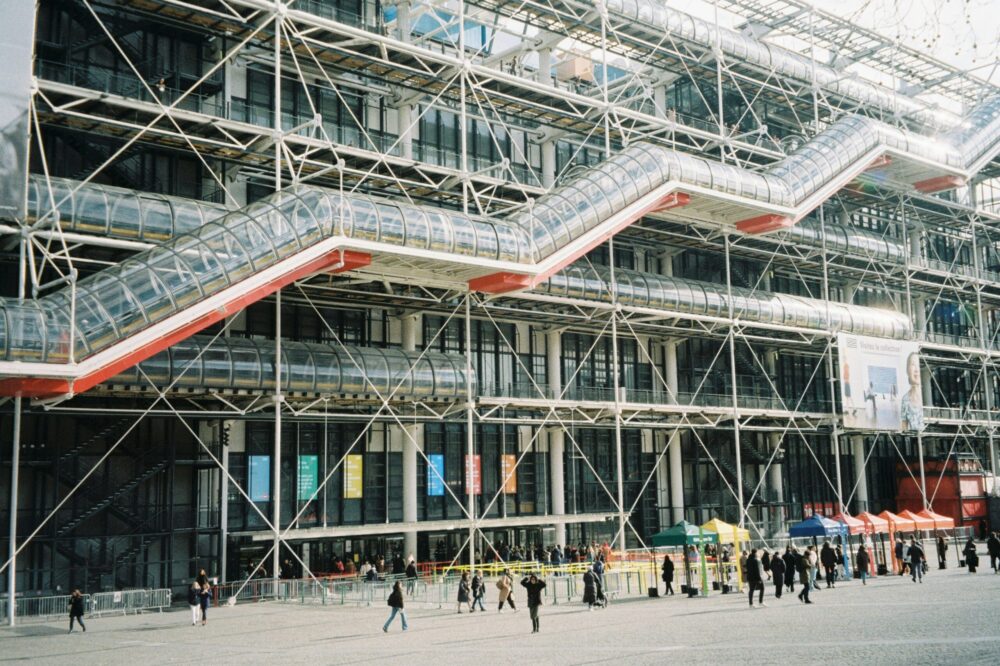
Centre Pompidou: Modern and Contemporary History
For post-1914 history, the Centre Pompidou offers insights into 20th and 21st-century France through modern art, design, and cultural movements. It explores topics like industrialization, globalization, and social change, extending the historical narrative beyond the Musée d’Orsay’s timeframe. This museum highlights how art reflects contemporary historical challenges and innovations.
Regional Museums for a Broader Perspective on French History
Beyond Paris, regional museums provide localized insights into French history, enriching the national story. These institutions often focus on specific eras or themes relevant to their areas.
Musée des Beaux-Arts de Lyon: Art and Industrial History
In Lyon, this museum combines fine arts with historical context, including pieces from ancient Egypt to modern times. It emphasizes Lyon’s role in the silk industry and Renaissance trade, illustrating regional contributions to French economic history. Visitors can see how local history intersects with national trends, similar to the Musée d’Orsay’s approach to 19th-century Paris.
Mémorial de Caen: World War II and Beyond
Located in Normandy, the Mémorial de Caen focuses on 20th-century history, particularly World War II and the Cold War. It offers a somber yet educational experience on France’s occupation, resistance, and liberation. This museum is crucial for understanding modern French identity and complements the Musée d’Orsay’s coverage of earlier conflicts.
Musée d’Histoire de Marseille: Ancient and Maritime History
As France’s oldest city, Marseille’s history museum explores ancient Greek and Roman influences, colonial trade, and immigration. It showcases how Mediterranean connections shaped French culture and economy. For learners seeking where to learn about French history at museums like the Musée d’Orsay, this provides a coastal perspective on national development.
Tips for Maximizing Your Learning Experience at French History Museums
To make the most of your visits, consider these practical tips for engaging with French history at museums.
- Plan Ahead: Research museum collections and temporary exhibitions to focus on historical periods of interest.
- Use Audio Guides or Tours: Many museums, including the Musée d’Orsay, offer guided tours that provide historical context beyond placards.
- Combine Visits: Pair museums like the Musée d’Orsay with related sites, such as the Louvre or Musée de l’Armée, for a chronological understanding.
- Engage with Interactive Displays: Some museums feature digital exhibits or hands-on activities that enhance learning, especially for complex historical topics.
- Reflect on Connections: Consider how artifacts and art relate to broader French history, such as political events or social movements highlighted in museums.
How Museums Like the Musée d’Orsay Preserve and Present History
Museums play a vital role in preserving historical narratives through conservation, research, and education. Institutions like the Musée d’Orsay curate collections that reflect specific eras, ensuring accuracy and accessibility. They often collaborate with historians and educators to develop exhibits that engage diverse audiences. By visiting these museums, you contribute to the ongoing dialogue about French history and its relevance today.
The Future of Historical Learning in Museums
As technology evolves, museums are incorporating virtual tours, augmented reality, and online archives to reach global audiences. This expands opportunities for learning about French history beyond physical visits. However, the immersive experience of standing before original works, as at the Musée d’Orsay, remains unparalleled for connecting with the past.
Conclusion: Your Journey to Learn About French History at Museums
Discovering where to learn about French history at museums like the Musée d’Orsay opens doors to a deeper appreciation of France’s cultural heritage. From Parisian icons to regional treasures, these institutions offer multifaceted insights into the nation’s past. By exploring museums such as the Louvre, Musée de l’Armée, and beyond, you can piece together the historical puzzle that defines modern France. Start your journey at the Musée d’Orsay and let its collections inspire further exploration into the rich tapestry of French history.
Photo by Diane Picchiottino on Unsplash