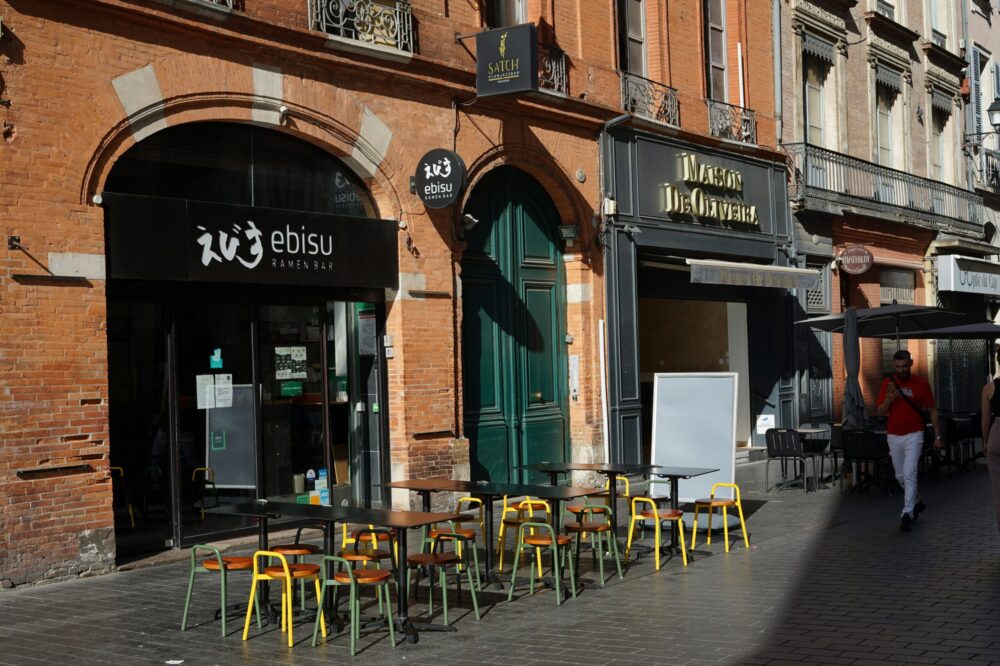
When travelers think of UNESCO World Heritage cities in France, places like Lyon, Avignon, or the banks of the Seine in Paris often come to mind. But what about Toulouse? Known as “La Ville Rose” (The Pink City) for its distinctive terracotta brick architecture, Toulouse is a vibrant hub of history, culture, and innovation. The question many visitors ask is: Is Toulouse a UNESCO city? The answer is nuanced, as Toulouse is not a UNESCO World Heritage city in its entirety, but it does host UNESCO-listed sites and is part of a broader UNESCO designation. In this article, we will explore Toulouse’s UNESCO connections, its cultural significance, and what this means for travelers and locals alike.
Table des matières:
What Does It Mean to Be a UNESCO City?
UNESCO (United Nations Educational, Scientific and Cultural Organization) designates World Heritage Sites that have outstanding universal value to humanity. These can be natural or cultural landmarks, entire city centers, or even intangible cultural practices. A “UNESCO city” often refers to a city whose historic center is inscribed as a World Heritage Site, such as the Historic Centre of Rome or the Old Town of Dubrovnik. However, some cities are part of a UNESCO Creative Cities Network, which recognizes cities that promote creativity in fields like music, literature, or gastronomy.
Toulouse does not have its entire historic center listed as a UNESCO World Heritage Site. However, it is home to one major UNESCO site: the Canal du Midi, which runs through the city. Additionally, Toulouse has applied for UNESCO recognition for its iconic Basilica of Saint-Sernin and other landmarks as part of the “Routes of Santiago de Compostela in France” inscription. So, while Toulouse is not a UNESCO city in the strictest sense, it is deeply connected to UNESCO heritage.
The Canal du Midi: Toulouse’s Proud UNESCO Site
The most famous UNESCO World Heritage Site associated with Toulouse is the Canal du Midi, a 240-kilometer-long canal that connects the Garonne River to the Mediterranean Sea. Built in the 17th century under the direction of Pierre-Paul Riquet, this engineering marvel was inscribed as a UNESCO World Heritage Site in 1996. The canal passes through Toulouse, and its port, the Port de l’Embouchure, is a key starting point.
Why Is the Canal du Midi a UNESCO Site?
UNESCO recognized the Canal du Midi as a masterpiece of human creative genius. It was one of the first major canals to use a system of locks, tunnels, and aqueducts, and it played a crucial role in the economic development of the region. The canal’s construction involved innovative techniques that influenced later engineering projects worldwide. For visitors, the Canal du Midi offers scenic walks, bike rides, and boat trips, with Toulouse serving as an ideal gateway.
Exploring the Canal in Toulouse
In Toulouse, the canal begins at the Ponts-Jumeaux (Twin Bridges), where the Canal du Midi meets the Canal de Garonne. From there, you can stroll along the tree-lined banks, passing through locks and enjoying the peaceful atmosphere. The canal is a popular spot for locals to jog, cycle, or relax. Several companies offer boat tours that depart from the city, allowing you to experience the canal’s beauty firsthand.
Basilica of Saint-Sernin and the Routes of Santiago de Compostela
Another important UNESCO connection in Toulouse is the Basilica of Saint-Sernin, the largest remaining Romanesque building in Europe. While the basilica itself is not individually listed, it is part of the UNESCO World Heritage Site “Routes of Santiago de Compostela in France,” inscribed in 1998. These routes encompass several churches and landmarks along the pilgrimage paths to Santiago de Compostela in Spain.
The Significance of Saint-Sernin
Built between the 11th and 12th centuries, the Basilica of Saint-Sernin is a masterpiece of Romanesque architecture. It houses the relics of Saint Saturnin (Sernin), the first bishop of Toulouse, and was a major stop for pilgrims on the Way of St. James. Its distinctive octagonal bell tower and sculpted portals make it a must-visit for history and architecture enthusiasts. The basilica’s inclusion in the UNESCO listing highlights its importance as a cultural and spiritual landmark.
Toulouse’s Application for UNESCO Creative City of Music
Beyond World Heritage, Toulouse has also sought recognition in UNESCO’s Creative Cities Network. In 2021, the city applied to become a UNESCO Creative City of Music, leveraging its rich musical heritage. Toulouse is home to the Orchestre National du Capitole, the Théâtre du Capitole (opera house), and numerous festivals like the Festival de la Cité and Piano aux Jacobins. The city’s vibrant music scene, from classical to contemporary, makes it a strong candidate. As of 2023, the application is still under review, but if successful, Toulouse would join cities like Liverpool, Seville, and Bogotá in the Music category.
Other UNESCO-Related Sites in and Near Toulouse
While the city itself is not a UNESCO city, several nearby attractions are worth mentioning for heritage enthusiasts:
- Albi: Just an hour away, the historic center of Albi is a UNESCO World Heritage Site, known for its red brick Cathedral of Sainte-Cécile and the Berbie Palace.
- Carcassonne: The fortified city of Carcassonne, a UNESCO site since 1997, is a short train ride from Toulouse. Its medieval citadel is one of France’s most visited attractions.
- Pont du Gard: This Roman aqueduct bridge, a UNESCO site, is about two hours from Toulouse and is a stunning example of ancient engineering.
- Prehistoric Sites of the Vézère Valley: While farther away, these caves and rock shelters in the Dordogne region are UNESCO-listed and accessible from Toulouse.
Why Isn’t Toulouse’s Historic Center a UNESCO Site?
Many visitors wonder why Toulouse’s beautiful historic center, with its pink brick buildings, grand squares like Place du Capitole, and narrow medieval streets, is not a UNESCO World Heritage Site. The main reason is that the city has not applied for such a designation for its entire center. UNESCO inscription requires a rigorous application process, including demonstrating outstanding universal value, a management plan, and community support. Toulouse’s historic center certainly has the architectural and cultural wealth, but the city has prioritized other forms of recognition, such as the Creative Cities Network and the preservation of its specific landmarks.
Another factor is that Toulouse’s urban fabric has evolved significantly over the centuries, with modern developments interspersed with historic buildings. UNESCO typically prefers coherent historic areas with well-preserved authenticity. While Toulouse’s center is charming, it may not meet the strict criteria for a full city-center inscription. Nonetheless, the city is actively working to protect its heritage through local zoning laws and restoration projects.
How to Experience Toulouse’s UNESCO Heritage
Even though Toulouse is not a UNESCO city, you can still immerse yourself in its UNESCO-listed and associated sites. Here are some tips:
- Boat Tour on the Canal du Midi: Take a guided boat trip from Toulouse to experience the canal’s locks and scenic beauty. Many tours include lunch or wine tasting.
- Visit the Basilica of Saint-Sernin: Explore the basilica’s interior, climb the tower for panoramic views, and see the crypt with relics.
- Walk the Pilgrimage Routes: Follow the GR 653, one of the French routes to Santiago de Compostela, which passes through Toulouse.
- Attend a Concert: Enjoy a performance at the Théâtre du Capitole or a festival to appreciate Toulouse’s musical heritage.
Frequently Asked Questions About Toulouse and UNESCO
Is Toulouse a UNESCO World Heritage City?
No, Toulouse is not a UNESCO World Heritage city. However, the Canal du Midi (a UNESCO site) runs through it, and the Basilica of Saint-Sernin is part of the Routes of Santiago de Compostela UNESCO listing.
What UNESCO sites are in Toulouse?
The main UNESCO site in Toulouse is the Canal du Midi. Additionally, the Basilica of Saint-Sernin is included in the Routes of Santiago de Compostela, a transnational UNESCO site.
Is Toulouse applying for UNESCO status?
Toulouse has applied to become a UNESCO Creative City of Music. The application is pending. The city has not applied for its historic center to be a World Heritage Site.
Can you visit UNESCO sites from Toulouse?
Yes, you can easily visit nearby UNESCO sites like Albi, Carcassonne, and Pont du Gard on day trips from Toulouse.
The Future of Toulouse’s UNESCO Ambitions
Toulouse continues to pursue UNESCO recognition in various forms. The city’s bid for the Creative City of Music is ongoing, and there are discussions about nominating specific districts or architectural ensembles for World Heritage status. For example, the Hôtel-Dieu Saint-Jacques, a former hospital on the Garonne riverbank, has been proposed as a potential candidate. Additionally, the city is investing in preserving its 19th-century boulevards and Art Nouveau buildings, which could strengthen future applications.
Whether or not Toulouse becomes a full UNESCO city, its existing heritage sites and cultural vibrancy make it a compelling destination. The question “Is Toulouse a UNESCO city?” may not have a simple yes or no answer, but the city’s rich tapestry of history, music, and architecture ensures it remains a place of global significance.
Conclusion: So, Is Toulouse a UNESCO City?
To sum up, Toulouse is not a UNESCO city in the sense of having its entire historic center inscribed as a World Heritage Site. However, it is home to significant UNESCO-listed elements: the Canal du Midi and the Basilica of Saint-Sernin (as part of the Santiago routes). Moreover, its application to become a UNESCO Creative City of Music highlights its cultural ambition. For travelers, Toulouse offers a wealth of UNESCO-related experiences, from canal cruises to pilgrim trails. So while you won’t find a “UNESCO city” label on Toulouse’s welcome sign, you will discover a city deeply intertwined with UNESCO’s mission to preserve and celebrate world heritage. Plan your visit to explore these treasures and decide for yourself whether the Pink City deserves a place on the UNESCO map.