Table des matières:
Why Consider Toulouse as Your Base in Occitanie?
When planning a trip to the beautiful region of Occitanie in southern France, one of the first decisions you’ll face is where to stay. The region offers diverse landscapes, from the Mediterranean coast to the Pyrenees mountains, and charming cities like Montpellier, Carcassonne, and Albi. But Is Toulouse a good base for exploring Occitanie? The answer is a resounding yes, and in this article, we’ll explore why Toulouse, often called the Pink City, is an ideal hub for your adventures.
Toulouse is not only the capital of Occitanie but also a vibrant city with a rich history, excellent gastronomy, and a lively atmosphere. Its strategic location in the heart of the region makes it a perfect starting point for day trips and longer excursions. Whether you’re interested in medieval castles, Roman ruins, natural parks, or wine routes, Toulouse offers easy access to all of them.
The Strategic Location of Toulouse in Occitanie
One of the strongest arguments for using Toulouse as a base is its central position. Located in the southwestern part of Occitanie, Toulouse is well-connected to major highways and railways, making it easy to reach both coastal and mountainous destinations. The city sits at the crossroads of the A61, A62, and A620 motorways, and the Toulouse-Matabiau train station offers high-speed TGV services to Paris, Bordeaux, and Marseille, as well as regional trains to nearby towns.
Proximity to Key Destinations
From Toulouse, you can reach several iconic sites within an hour or two. Here are some popular day trips:
- Carcassonne (1 hour by train or car): The famous fortified medieval city, a UNESCO World Heritage site.
- Albi (1 hour by train or car): Another UNESCO site, known for its stunning Sainte-Cécile Cathedral and Toulouse-Lautrec Museum.
- Montpellier (2 hours by train, 2.5 hours by car): A vibrant city with a historic center and Mediterranean vibes.
- Nîmes (2 hours by train, 1.5 hours by car): Home to well-preserved Roman amphitheaters and temples.
- Foix and the Pyrenees (1.5 hours by car): Gateway to mountain activities like hiking, skiing, and exploring medieval castles.
- Castres (1 hour by car): A charming town with a beautiful garden and art museums.
This central location means you can avoid the hassle of changing hotels frequently. Instead, you can unpack once and explore the region at your own pace.
Transportation Options from Toulouse
By Car
Renting a car gives you the most flexibility, especially for reaching remote villages and natural parks. Toulouse has several car rental agencies at the airport and train station. The highway network is excellent, and driving in Occitanie is generally easy, though parking in historic centers can be challenging. Consider using park-and-ride facilities or staying at accommodations with parking.
By Train
The SNCF train network is efficient and affordable. The Toulouse-Matabiau station is a major hub, with frequent services to cities like Carcassonne, Albi, Montpellier, and Narbonne. For smaller towns, regional TER trains are available. Booking in advance can save money, and the train is a relaxing way to travel without traffic worries.
By Bus
Buses complement the train network, covering areas not served by rail. Companies like FlixBus and Ouibus offer connections to major cities, while local buses serve rural areas. The Toulouse bus station is next to the train station, making transfers convenient.
By Plane
Toulouse-Blagnac Airport is an international gateway with flights to many European cities. While flying is not necessary for exploring Occitanie, it’s useful if you’re arriving from afar or want to combine your trip with other regions.
What Makes Toulouse Itself Worth Exploring?
Beyond being a convenient base, Toulouse is a destination in its own right. The city’s nickname, La Ville Rose (The Pink City), comes from the distinctive terracotta bricks used in many buildings. Spend a few days exploring its highlights:
- Capitole de Toulouse: The grand town hall and theater square.
- Basilica of Saint-Sernin: The largest Romanesque church in Europe, a UNESCO site.
- Jacobins Church and Cloister: A stunning Gothic church with a palm-tree-like vault.
- Space City (Cité de l’Espace): A theme park about space exploration, ideal for families.
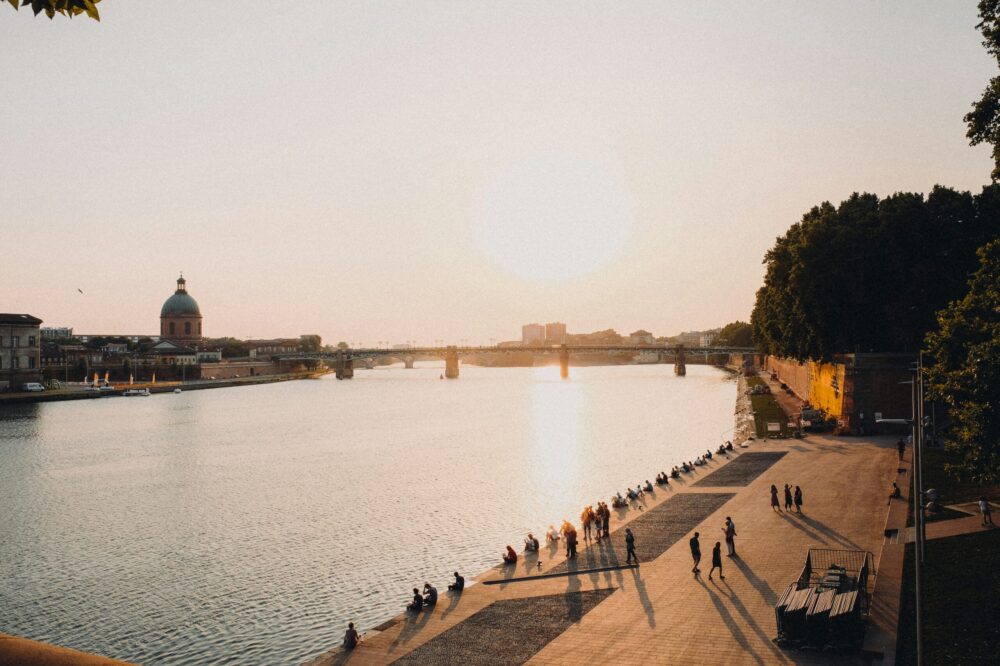
- Garonne River Banks: Perfect for walks, bike rides, and picnics.
- Local Markets: Like the Victor Hugo Market, offering fresh produce and regional specialties.
Toulouse also boasts a vibrant food scene, with cassoulet, foie gras, and violet-flavored treats. The city’s student population ensures a lively nightlife and cultural calendar.
Day Trips from Toulouse: A Detailed Look
Carcassonne: The Medieval Marvel
Just an hour away, Carcassonne is a must-visit. The fortified city (La Cité) is a fairy-tale sight with its double walls, towers, and drawbridge. Explore the Château Comtal, walk the ramparts, and enjoy the views. The nearby Canal du Midi offers boat trips and cycling paths.
Albi: The Red City
Albi’s red brick cathedral is the largest brick building in the world. The Toulouse-Lautrec Museum houses the largest collection of his works. The old town, with its narrow streets and half-timbered houses, is a delight to wander.
The Pyrenees: Mountains and Medieval Villages
Head south to the Pyrenees for hiking, skiing, or visiting villages like Saint-Bertrand-de-Comminges (with its Romanesque cathedral) and the medieval town of Foix. The region is also known for its thermal spas, such as Bagnères-de-Luchon.
The Canal du Midi
This 17th-century canal, a UNESCO World Heritage site, runs from Toulouse to the Mediterranean. You can cycle or walk along its tree-lined banks, or take a boat trip. The section near Toulouse is particularly accessible.
Wine Regions: Fronton and Gaillac
Wine lovers can explore the Fronton appellation, just north of Toulouse, known for its robust reds. The Gaillac region, east of Toulouse, is one of France’s oldest wine areas, offering diverse varieties. Many vineyards welcome visitors for tastings.
Accommodation Tips for Using Toulouse as a Base
To make the most of your stay, choose accommodation that balances comfort with access to transport. Here are some recommendations:
- City Center: Stay near Place du Capitole or the Carmes district for walkability and proximity to restaurants and attractions. Hotels like Grand Hôtel de l’Opéra or ibis Styles Toulouse Capitole offer central locations.
- Near Train Station: If you plan to rely on trains, hotels around Gare Matabiau are convenient. The Mercure Toulouse Centre Wilson is a good option.
- Airport Area: Ideal for early flights or late arrivals. Hotels like Novotel Toulouse Aéroport provide shuttle services.
- Self-Catering Apartments: For longer stays, consider renting an apartment through platforms like Airbnb. This gives you more space and kitchen facilities.
Best Time to Visit Toulouse and Occitanie
The region enjoys a Mediterranean climate with hot summers and mild winters. The best times to visit are spring (April to June) and autumn (September to October), when the weather is pleasant and crowds are smaller. Summer (July and August) is peak season, with festivals and warm temperatures, but it can be busy. Winter is quieter and cheaper, though some attractions may have reduced hours. For skiing in the Pyrenees, winter is ideal.
Combining Toulouse with Other Regions
Toulouse’s excellent transport links also make it a good base for exploring beyond Occitanie. You can easily reach:
- Andorra: A microstate in the Pyrenees, about 2.5 hours by car, known for skiing and duty-free shopping.
- Bordeaux: The wine capital, about 2.5 hours by train, perfect for a weekend trip.
- Provence: While a bit farther (3.5 hours to Avignon by train), it’s doable for a longer excursion.
This flexibility adds to the appeal of Toulouse as a base.
Potential Drawbacks of Using Toulouse as a Base
While Toulouse is an excellent base, there are a few considerations:
- Distance to the Coast: The Mediterranean beaches (e.g., Gruissan, Leucate) are about 1.5 to 2 hours away by car. If you prefer a coastal base, consider Montpellier or Narbonne.
- Parking: Driving and parking in central Toulouse can be challenging and expensive. Use public transport or park on the outskirts.
- Tourist Crowds: In summer, popular day-trip destinations like Carcassonne can be crowded. Visit early or late in the day.
Despite these minor drawbacks, the advantages far outweigh them for most travelers.
Sample Itinerary: 7 Days Exploring Occitanie from Toulouse
To illustrate how well Toulouse works as a base, here’s a sample itinerary:
Day 1: Arrive in Toulouse – Explore the city center, visit the Capitole, and enjoy dinner in the Carmes district.
Day 2: Carcassonne – Take a morning train, spend the day exploring the Cité, and return for dinner in Toulouse.
Day 3: Albi – Another easy train ride, visit the cathedral and museum, and stroll the old town.
Day 4: Pyrenees Day Trip – Rent a car and drive to Foix, then continue to the mountain village of Saint-Bertrand-de-Comminges.
Day 5: Canal du Midi – Cycle or walk along the canal near Toulouse, or take a boat trip from Castelnaudary.
Day 6: Wine Tasting – Visit the Fronton wine region, with tastings and a lunch at a vineyard.
Day 7: Depart – Enjoy a final croissant and coffee before heading to the airport or train station.
This itinerary shows how you can experience a variety of landscapes and attractions without moving hotels.
Final Thoughts on Using Toulouse as a Base
So, Is Toulouse a good base for exploring Occitanie? Absolutely. Its central location, excellent transport connections, and wealth of nearby attractions make it an ideal hub. Whether you’re a history buff, nature lover, foodie, or wine enthusiast, Toulouse provides the perfect launchpad for your Occitanie adventure. The city itself is a gem worth exploring, adding even more value to your stay. With careful planning, you can maximize your time and create unforgettable memories in this captivating region of France.
Start planning your trip from Toulouse today and discover why so many travelers choose the Pink City as their home base in Occitanie.
Photo by TBD Traveller on Pexels