Table des matières:
Introduction
Nestled on the banks of the Rhine River, Strasbourg is a city that defies simple categorization. The question “Is Strasbourg French or German?” is one that travelers, historians, and culture enthusiasts often ask. The answer is both nuanced and fascinating: Strasbourg is a uniquely Franco-German city, shaped by centuries of shifting borders, wars, and cultural exchanges. Today, it is proudly French, but its architecture, cuisine, language, and traditions bear the unmistakable imprint of its German past. In this article, we will explore the historical events that made Strasbourg what it is, its dual identity, and why it stands as a symbol of European unity.
A Brief History of Strasbourg’s Nationality
Strasbourg’s history is a tapestry of alternating French and German control. Understanding this back-and-forth is key to answering “Is Strasbourg French or German?”
From Free Imperial City to French Conquest
In the Middle Ages, Strasbourg was a free imperial city of the Holy Roman Empire, predominantly German-speaking. It enjoyed significant autonomy and became a major center of trade and culture. However, in 1681, King Louis XIV of France annexed the city during his expansionist policies. French became the official language, and the city’s fortifications were strengthened by the famous military engineer Vauban.
The Franco-Prussian War and German Annexation
The Franco-Prussian War (1870-1871) dramatically shifted Strasbourg’s fate. After France’s defeat, the newly unified German Empire annexed Alsace-Lorraine, including Strasbourg. For nearly 50 years, the city was part of Germany, undergoing a process of Germanization. German was reinstated as the official language, and many German-style buildings were constructed, such as the Palais du Rhin.
Return to France After World War I
Following Germany’s defeat in World War I, the Treaty of Versailles (1919) returned Alsace-Lorraine to France. Strasbourg once again became French, and French language and culture were promoted. However, this period was short-lived.
World War II and German Occupation
During World War II, Nazi Germany annexed Alsace in 1940, and Strasbourg was subjected to brutal Germanization and repression. The city was liberated by French forces in 1944. After the war, Strasbourg was firmly reintegrated into France, and the question of its nationality seemed settled.
Is Strasbourg French or German Today?
Today, Strasbourg is unequivocally French. It is the capital of the Grand Est region and a major administrative and economic center. However, its German heritage is deeply embedded in its identity. The city is officially bilingual, with many residents speaking both French and the Alsatian dialect, a Germanic language. Street signs are often bilingual, and the cuisine—such as choucroute (sauerkraut) and tarte flambée—reflects German influences.
The Cultural Dualism of Strasbourg
The question “Is Strasbourg French or German?” is perhaps best answered by looking at its culture, which is a blend of both.
Architecture
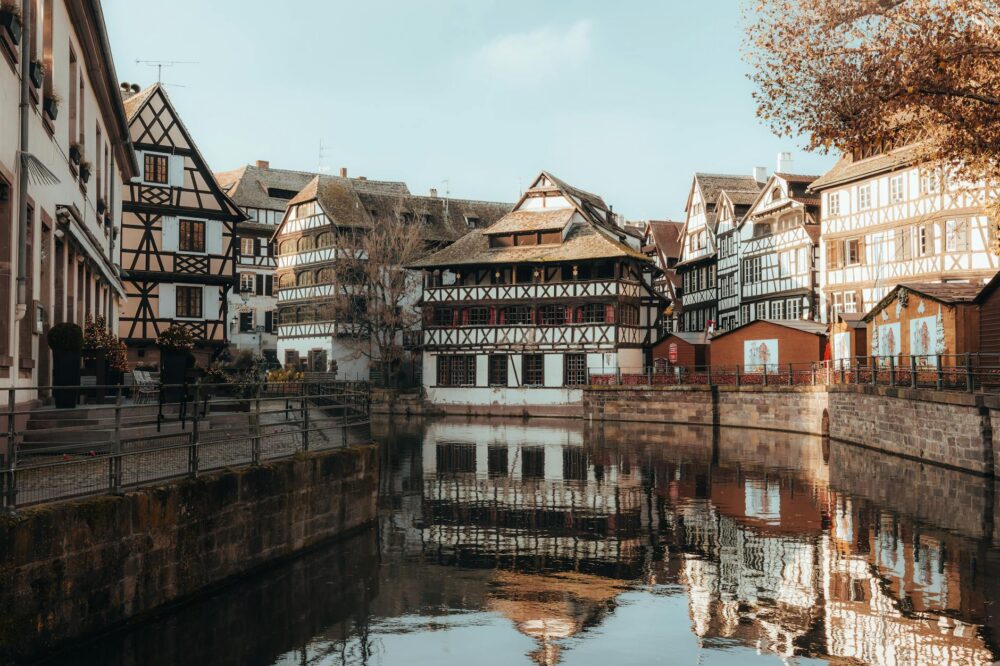
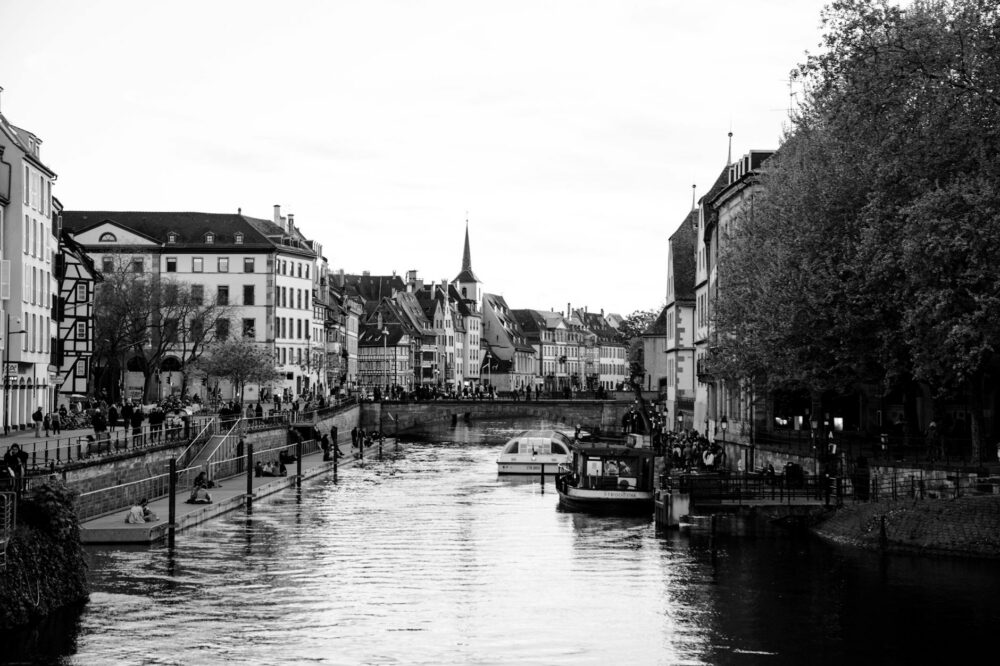
Strasbourg’s architecture is a visual testament to its dual heritage. The historic center, Grande Île, is a UNESCO World Heritage site. Here you find the red sandstone Gothic Cathedral of Notre-Dame, a masterpiece of French Gothic architecture. Yet, wandering through the La Petite France district, you’ll encounter half-timbered houses with steep roofs and flower-filled windowsills, typical of German Alsatian architecture. The German influence is also visible in the Neustadt (new town), built during the German period, with its wide boulevards and imposing neo-Renaissance buildings.
Language and Dialect
While French is the official language, Alsatian—a Germanic dialect—is still spoken by many, especially in rural areas. In Strasbourg, you’ll hear a mix of French and Alsatian, and many locals are bilingual. The city’s bilingualism is a source of pride and a living link to its German past.
Cuisine
Strasbourg’s food is a delicious fusion of French and German traditions. Must-try dishes include:
- Choucroute garnie: Sauerkraut with sausages and pork, a German classic.
- Tarte flambée (Flammekueche): A thin, crispy pizza-like dish with crème fraîche, onions, and bacon.
- Baeckeoffe: A casserole of potatoes, meat, and vegetables, marinated in white wine.
- Kouglof: A yeasted cake with almonds and raisins, often served for breakfast.
Wine lovers will appreciate the Alsatian whites, such as Riesling and Gewürztraminer, which pair perfectly with the local fare.
Strasbourg as a Symbol of European Unity
Perhaps the most compelling answer to “Is Strasbourg French or German?” is that it is European. After the devastation of two world wars, Strasbourg was chosen as the seat of several European institutions, including the European Parliament, the Council of Europe, and the European Court of Human Rights. This choice was deliberate: Strasbourg, a city that had been torn between France and Germany, now symbolizes reconciliation and unity. The European Quarter, with its modern glass buildings, stands in stark contrast to the medieval old town, but together they tell the story of a city that has transcended its contested past.
Visiting Strasbourg: What to Expect
If you plan to visit, you’ll find a city that is both French and German, yet uniquely Alsatian. Here are some highlights:
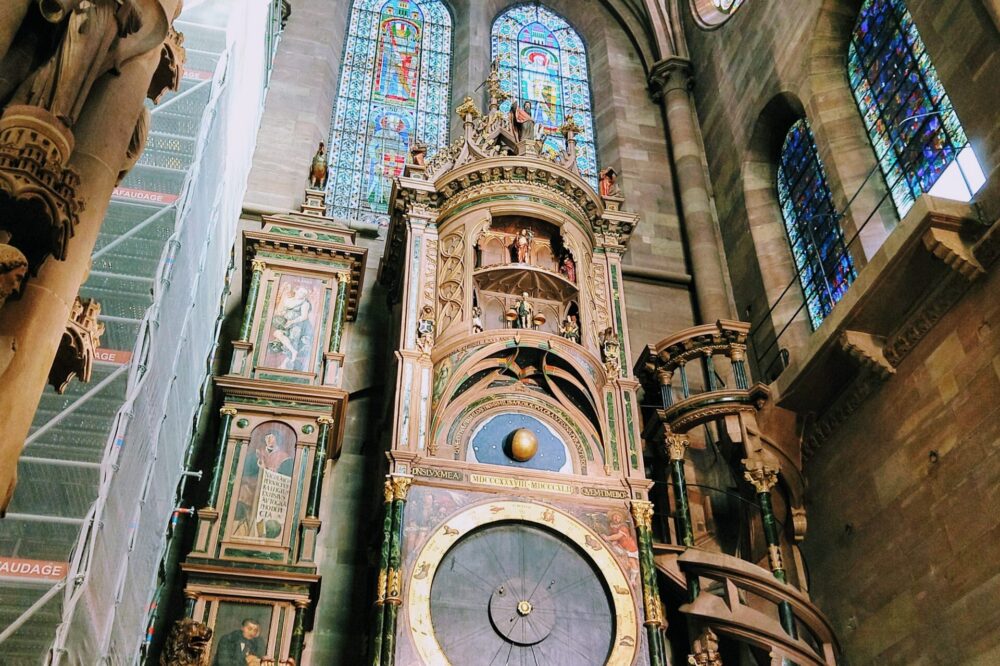
- Strasbourg Cathedral: A masterpiece of Gothic architecture, with an astronomical clock and a platform offering panoramic views.
- La Petite France: A picturesque district of canals, half-timbered houses, and charming cafés.
- Palais Rohan: A palace housing three museums: the Archaeological Museum, the Museum of Decorative Arts, and the Museum of Fine Arts.
- European Parliament: Take a guided tour to learn about the EU’s workings.
- Christmas Markets: Strasbourg is known as the “Capital of Christmas,” with one of the oldest and largest Christmas markets in Europe.
Conclusion
So, is Strasbourg French or German? The answer is both and neither. It is a city that has been shaped by both cultures, resulting in a unique identity that is proudly Alsatian and European. While it is politically French, its German heritage is visible in its architecture, language, food, and traditions. More than a blend of two nations, Strasbourg stands as a testament to the possibility of unity after conflict. Whether you come for the history, the food, or the European spirit, Strasbourg offers an experience that is truly one of a kind.
Photo by Ramon Karolan on Pexels