
Table des matières:
Reykjavik on a Budget: What You Need to Know
Reykjavik, the world’s northernmost capital, is a dream destination for many travelers. But the question everyone asks: is Reykjavik expensive for tourists? The short answer is yes—Iceland’s capital is consistently ranked among the priciest cities in Europe. However, with smart planning, you can enjoy its unique charm without breaking the bank. This guide breaks down real costs, hidden savings, and practical tips to help you budget effectively.
How Much Does a Trip to Reykjavik Actually Cost?
Let’s start with a realistic daily budget. Prices vary by season, but here’s what a typical tourist can expect in 2025:
| Expense Category | Budget Traveler (per day) | Mid-Range Traveler (per day) | Luxury Traveler (per day) |
|---|---|---|---|
| Accommodation | $50–$80 (hostel or budget guesthouse) | $120–$200 (mid-range hotel or Airbnb) | $250+ (boutique or luxury hotel) |
| Meals | $30–$45 (groceries and street food) | $60–$100 (cafés and casual dining) | $150+ (fine dining) |
| Transportation | $15–$25 (public bus or walking) | $30–$60 (bus passes, occasional taxis) | $80+ (car rental or private transfers) |
| Activities & Attractions | $20–$40 (free walks, museums with discounts) | $50–$100 (paid tours, geothermal pools) | $150+ (helicopter tours, glacier hikes) |
| Total (approx.) | $115–$190 | $260–$460 | $630+ |
These figures show that Reykjavik is expensive for tourists on a mid-range or luxury budget, but budget travelers can manage with careful choices.
Why Is Reykjavik So Expensive? Key Factors
Understanding the reasons behind high prices helps you plan better. Here are the main drivers:
- High import costs: Iceland is an island with limited agriculture, so most goods (especially fresh produce, alcohol, and electronics) are imported and heavily taxed.
- Strong currency: The Icelandic króna (ISK) has remained relatively strong against the US dollar and euro, making everything cost more for foreign visitors.
- High wages and operating costs: Iceland has a high minimum wage and strict labor laws, which increase the cost of services like dining and accommodation.
- Tourism demand: Reykjavik’s popularity means hotels and tours can charge premium prices, especially during summer and Northern Lights season.
Knowing these factors helps you see why even a simple coffee can cost $6–$8.
Biggest Expenses in Reykjavik (and How to Reduce Them)
1. Accommodation: The Largest Chunk
Hotels in central Reykjavik are notoriously pricey. A basic double room in a mid-range hotel easily costs $200 per night. To save:
- Book hostels or guesthouses: KEX Hostel and Reykjavik Downtown Hostel offer dorm beds from $50 and private rooms from $100.
- Use Airbnb or apartments: Renting an apartment outside the city center (e.g., in Hlemmur or Laugardalur) can cut costs by 30–50%.
- Stay in a campervan: If you’re exploring Iceland, a campervan eliminates accommodation costs entirely (though rental and gas add up).
- Travel off-season: November through March see lower hotel rates, except around Christmas and New Year.
2. Food and Drink: Eating Out vs. Cooking In
Dining out in Reykjavik is a major expense. A main course at a mid-range restaurant costs $25–$40, and a beer is around $10–$12. To eat affordably:
- Cook your own meals: Stay in accommodations with a kitchen. Shop at Bónus or Krónan (discount supermarkets) for basics like pasta, bread, and local dairy.
- Eat lunch out instead of dinner: Many restaurants offer lunch specials for half the dinner price.
- Embrace street food: Try pylsur (Icelandic hot dogs) from Bæjarins Beztu Pylsur for around $4–5. Also, bakeries like Brauð & Co sell affordable pastries.
- Avoid alcohol: Skip bars and buy liquor at the state-run Vínbúðin (only stores open limited hours).
3. Transportation: Getting Around Cheaply
Reykjavik is compact and walkable, but for longer distances:
- Walk or bike: Most attractions are within 30 minutes’ walk. Rent a bike from Reykjavik Bike Tours for about $25/day.
- Use the bus: Strætó buses cover the city. A single fare is about $4.50, but a 24-hour pass costs $10.50 and offers unlimited rides.
- Avoid taxis: They are extremely expensive—a short 5-minute ride can cost $20+. Use ride-sharing apps like Hreyfill (local) or Uber (limited).
- Consider the Reykjavik City Card: For $45 (24 hours), you get unlimited bus travel and free entry to many museums and thermal pools.
4. Activities and Attractions: Free and Low-Cost Options
Reykjavik offers plenty of free or cheap experiences:
- Free walking tours: CityWalk Reykjavik runs pay-what-you-want tours daily—great for orientation.
- Visit free museums: The National Museum of Iceland is free on Wednesdays. The Reykjavik Art Museum has free days too.
- Explore nature: Walk along the waterfront, see the Sun Voyager sculpture, and hike up Mount Esja (free).
- Geothermal pools: Skip the Blue Lagoon ($70+) and visit local pools like Laugardalslaug or Sundhöllin for about $8–10.
- Northern Lights: If you visit in winter, you can see them for free from the city outskirts (check aurora forecasts).
Practical Money-Saving Checklist for Reykjavik
Before you go, run through this checklist to keep costs down:
- ☐ Book accommodation with a kitchen to cook meals.
- ☐ Shop at Bónus or Krónan for groceries.
- ☐ Bring a reusable water bottle (tap water is safe and free).
- ☐ Use the Reykjavik City Card if you plan to visit multiple museums and use buses.
- ☐ Eat lunch out instead of dinner.
- ☐ Avoid taxis; walk or use the bus.
- ☐ Visit free attractions like Hallgrímskirkja (free to enter), the Harpa concert hall, and the Old Harbour.
- ☐ Skip alcohol at bars; buy from Vínbúðin.
- ☐ Travel in shoulder season (May or September) for lower prices.
Common Mistakes That Make Reykjavik More Expensive
Tourists often overspend due to these pitfalls:
- Paying for bottled water: Icelandic tap water is among the best in the world—bring a bottle.
- Booking tours independently: Many tours (like Golden Circle) can be done by renting a car with friends, saving 30–50%.
- Eating near main squares: Restaurants on Laugavegur (main street) charge premium prices. Walk a few blocks away for better deals.
- Not checking museum free days: Many museums offer free entry on certain days—plan around them.
- Using credit cards abroad: While cards are widely accepted, some charge foreign transaction fees. Use a no-fee card or withdraw cash at banks.
Sample Budgets for Different Travel Styles
To give you a concrete idea, here are three sample 5-day budgets for Reykjavik (excluding flights):
| Category | Budget Traveler | Mid-Range Traveler | Luxury Traveler |
|---|---|---|---|
| Accommodation | $250 (hostel dorm) | $700 (Airbnb apartment) | $1,500 (boutique hotel) |
| Meals | $150 (groceries + street food) | $400 (mix of cooking and dining) | $800 (fine dining) |
| Transport | $50 (bus passes) | $100 (bus + occasional taxi) | $250 (car rental + gas) |
| Activities | $100 (free walks, one pool) | $300 (2 paid tours, city card) | $600 (Blue Lagoon, helicopter tour) |
| Total (5 days) | $550 | $1,500 | $3,150 |
As you can see, the answer to is Reykjavik expensive for tourists depends heavily on your choices. A budget traveler can have a great time for around $110 per day, while a luxury trip can easily exceed $600 per day.
Related Costs: Day Trips and Extended Travel
Many tourists use Reykjavik as a base for exploring Iceland. Popular day trips add significant costs:
- Golden Circle tour: $60–$100 per person for a bus tour. Self-driving splits costs among a group.
- Blue Lagoon: $70–$100 per person (transportation extra). Book in advance for discounts.
- Snorkeling at Silfra: $120–$150 per person, including gear.
- Northern Lights tour: $60–$80 per person. But you can see them for free if conditions are right.
If you plan multiple day trips, consider a rental car (from $50–$100 per day) to save on tour markups. Gas is expensive (about $2.20/liter), so factor that in.
Frequently Asked Questions
Is Reykjavik more expensive than other European capitals?
Yes, Reykjavik is generally more expensive than most European capitals, including London, Paris, and Berlin, especially for accommodation, dining, and alcohol.
How much does a meal cost in Reykjavik?
A cheap meal (like a hot dog or sandwich) costs $10–$15, a mid-range restaurant meal is $25–$40 per person, and a three-course dinner at a nice restaurant can exceed $80.
Can I visit Reykjavik on a budget of $100 per day?
Yes, if you stay in a hostel, cook most meals, use public transport, and stick to free attractions. You’ll have limited flexibility but can still enjoy the city.
What is the cheapest time to visit Reykjavik?
Late autumn (October–November) and early spring (March–April) offer lower prices on flights and accommodations. Avoid peak summer (June–August) and Christmas.
Are there any free things to do in Reykjavik?
Absolutely. Walk along the coast, visit Hallgrímskirkja (free entry), explore the Harpa building (free), hike Mount Esja, and enjoy free museums on specific days.
Is it cheaper to eat out or cook in Reykjavik?
Cooking your own meals is significantly cheaper. A week’s groceries for one person costs about $60–$80, while eating out for a week would cost $300–$500.
Final Thoughts on Reykjavik’s Cost
Reykjavik is undeniably expensive, but it doesn’t have to be a budget-breaker. By planning ahead, making smart choices on accommodation and food, and taking advantage of free activities, you can experience the best of this unique city without overspending. The key is to prioritize what matters to you—whether it’s a nice dinner or a day trip to a glacier—and cut costs elsewhere. Now that you know what to expect, you can confidently answer the question: is Reykjavik expensive for tourists? It can be, but with the right approach, it’s manageable. Start planning your trip today, and don’t forget to pack your reusable water bottle!
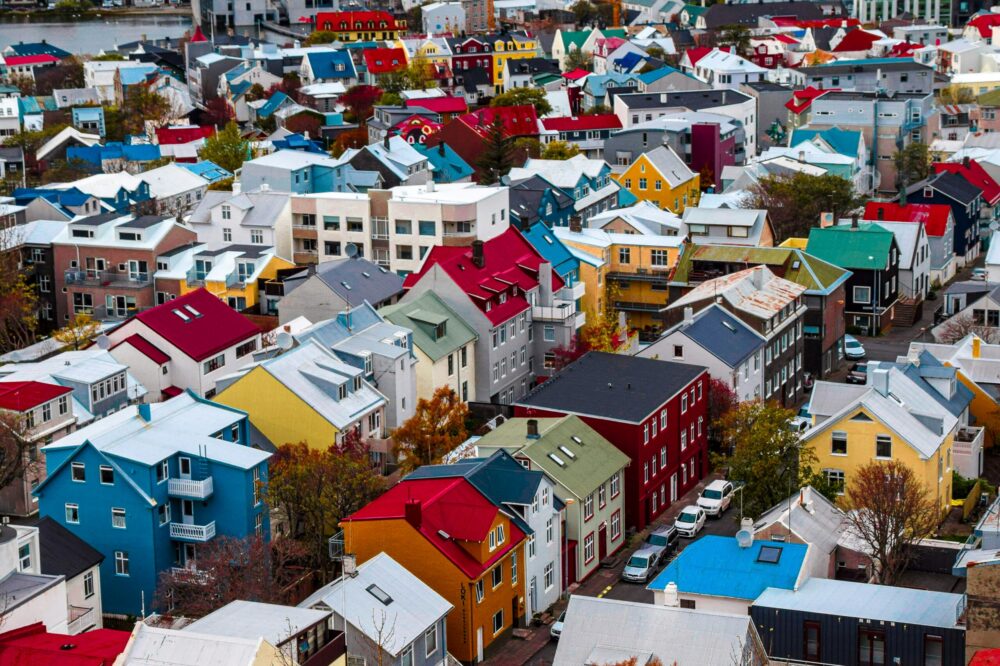
Photo by Tom Podmore on Unsplash

Thanks for the detailed breakdown! I’m planning a trip in June 2025. Are hostel prices really that low in summer, or do they spike like hotels?
Great question! Hostel prices do increase in summer, but not as dramatically as hotels. You can still find dorm beds around $60–$80 in June, especially if you book early. KEX Hostel and Reykjavik Downtown Hostel are reliable options.
Is it worth getting the Reykjavik City Card to save on attractions?
Yes, if you plan to visit multiple museums and use public transport a lot. The 24-hour card costs about $40 and includes free entry to several museums, unlimited bus travel, and a discount at the geothermal pools. It can pay for itself quickly.
I’ve heard grocery prices are high too. Any tips for eating cheaply besides street food?
Absolutely! Shop at discount supermarkets like Bónus or Krónan. Stick to basics like bread, cheese, yogurt, and pasta. Also, buy hot dogs from pylsur stands—they’re a cheap local staple at around $4 each. Avoid buying alcohol at restaurants; buy from the state-run Vínbúðin instead.
This is super helpful! I’m a solo traveler on a tight budget. Can you recommend any free or very cheap activities in Reykjavik?
Certainly! Walk along the waterfront to see the Sun Voyager sculpture and Harpa concert hall. Visit the National Museum of Iceland (free on Wednesdays). Also, hike up to the Perlan viewpoint for panoramic city views. Many galleries and the Reykjavik Art Museum have free days too.
I’m considering a campervan trip around Iceland. Does this guide cover campervan costs?
The article mentions campervans briefly, but to expand: renting a campervan in summer costs around $100–$150 per day, plus gas (about $8/gallon). You’ll save on accommodation but need to budget for campsite fees ($15–$30 per night). It’s a great way to explore beyond Reykjavik.
Is the Northern Lights season really that expensive? I’m thinking of going in February.
February is part of the Northern Lights season, but it’s not the peak tourist month like September. Accommodation can be 20–30% cheaper than summer. However, tours for the Northern Lights are around $80–$100 per person. You can also try to see them for free if you have a car and clear skies.