Table des matières:
Is Paris Too Hot in July? Understanding Summer Weather in the City of Light
Planning a summer trip to Paris often brings up one key question: is Paris too hot in July? As one of Europe’s most visited cities, Paris experiences warm, sunny weather during July, but temperatures can vary significantly. This article provides a comprehensive look at Parisian summer climate, practical advice for travelers, and tips to make the most of your visit, whether you’re seeking cultural experiences or simply want to avoid discomfort.
July marks the peak of summer in Paris, with long daylight hours and generally pleasant conditions. However, recent years have seen occasional heatwaves, making it essential to prepare accordingly. By understanding what to expect, you can plan an enjoyable trip without letting the heat dampen your experience.
Paris Weather in July: What to Expect
July is typically the warmest month in Paris, with average high temperatures ranging from 25°C to 30°C (77°F to 86°F). Nighttime lows usually drop to around 15°C to 18°C (59°F to 64°F), offering some relief. Rainfall is relatively low, with occasional short showers, and the city enjoys about 8 hours of sunshine per day on average.
However, it’s important to note that Paris can experience heatwaves, where temperatures soar above 35°C (95°F). These periods, while not constant, have become more frequent due to climate change. When asking “is Paris too hot in July?”, the answer often depends on your heat tolerance and the specific weather patterns during your visit.
Historical Temperature Trends
Over the past decade, July temperatures in Paris have shown a slight upward trend. Data from Météo-France indicates that while average July highs remain in the high 20s°C, extreme heat events have increased. For instance, the July 2019 heatwave saw temperatures reach 42.6°C (108.7°F), breaking records. Such events, though rare, highlight the importance of checking forecasts before traveling.
Humidity and Urban Heat Effect
Paris experiences moderate humidity levels in July, typically around 60-70%. Combined with the urban heat island effect—where city structures retain heat—this can make the air feel heavier, especially in densely built areas. Parks and riverbanks often provide cooler microclimates.
How to Beat the Heat: Practical Tips for Travelers
If you’re concerned about whether Paris is too hot in July, these strategies can help you stay comfortable while exploring the city.
- Time Your Sightseeing Wisely: Visit outdoor attractions like the Eiffel Tower or Montmartre early in the morning or late in the afternoon to avoid peak heat.
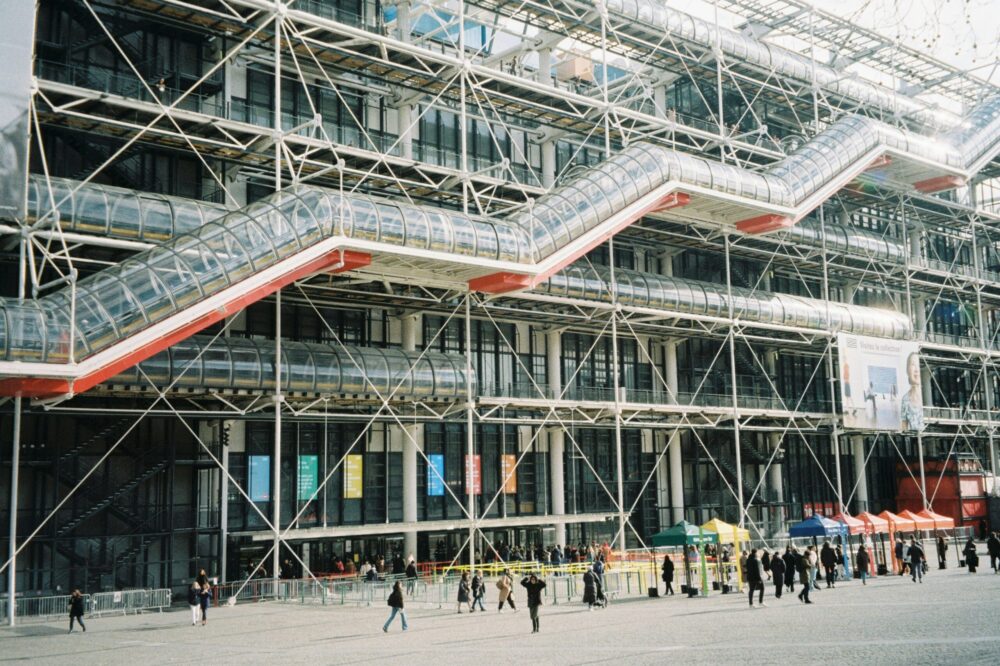
- Seek Air-Conditioned Spaces: Museums such as the Louvre, Musée d’Orsay, and Centre Pompidou offer climate-controlled environments perfect for midday breaks.
- Stay Hydrated: Carry a reusable water bottle and refill it at public fountains, many of which offer potable water.
- Dress Appropriately: Wear lightweight, breathable fabrics like cotton or linen, and don’t forget a hat and sunglasses.
- Use Public Transportation Strategically: The Paris Metro can be warm; consider buses or walking along shaded routes during cooler parts of the day.
Cooling Off in Paris
Paris offers numerous ways to cool down during hot July days. The Seine River banks become popular spots for picnics and relaxation, while parks like Luxembourg Gardens and Bois de Vincennes provide shaded areas. Many cafés and restaurants have terraces with misting systems or shaded seating.
For a more immersive cooling experience, consider visiting one of Paris’s public pools or taking a boat cruise on the Seine. These activities not only offer relief from the heat but also unique perspectives of the city.
Pros and Cons of Visiting Paris in July
When evaluating if Paris is too hot in July, it’s helpful to weigh the advantages and disadvantages of a summer visit.
Advantages of July Travel
- Long Daylight Hours: With sunrise around 6 AM and sunset after 10 PM, you have more time to explore.
- Festive Atmosphere: July includes Bastille Day (July 14) celebrations with fireworks, parades, and events.
- Outdoor Dining and Events: Many restaurants extend their terraces, and open-air concerts and cinema screenings are common.
- Ideal for Photography: The golden hour light enhances Paris’s architecture and landscapes.
Challenges of July Travel
- Crowds: July is peak tourist season, leading to longer queues at major attractions.
- Higher Prices: Accommodation and flight costs tend to be elevated.
- Potential for Extreme Heat: As mentioned, heatwaves can occur, requiring adaptability.
- Some Closures: Smaller shops and restaurants may close for summer holidays, particularly in August.
Health and Safety Considerations in Summer Heat
For travelers wondering if Paris is too hot in July, prioritizing health and safety is crucial. Heat-related illnesses like heat exhaustion or heatstroke can be prevented with proper precautions.
Always apply sunscreen with high SPF, even on cloudy days, as UV levels can be strong. Take regular breaks in shaded or air-conditioned areas, and avoid strenuous activities during the hottest hours (usually between 12 PM and 4 PM). If you have pre-existing health conditions, consult your doctor before traveling.
Paris has a good healthcare system, and pharmacies (marked by green crosses) are widely available for advice or supplies. In case of a heatwave, follow local advisories and stay informed through weather apps or news.
Special Considerations for Vulnerable Groups
Children, elderly travelers, and those with respiratory issues may find July heat more challenging. Plan activities that minimize sun exposure, such as indoor museums or evening strolls. Many hotels offer air conditioning, but it’s wise to confirm when booking.
Alternative Summer Destinations Near Paris
If you’re still unsure whether Paris is too hot in July, consider day trips to cooler nearby regions. The Normandy coast, about two hours by train, offers breezy beaches and historic sites like Mont-Saint-Michel. The Loire Valley, known for its châteaux and vineyards, often has slightly milder temperatures.
Within Paris, the Catacombs provide a naturally cool underground experience, while boat tours on the Seine offer refreshing breezes. These options allow you to enjoy Parisian culture while managing heat sensitivity.
Conclusion: Is Paris Too Hot in July?
So, is Paris too hot in July? The answer depends largely on personal preference and preparation. While July brings warm temperatures and potential heatwaves, it also offers vibrant summer energy, extended daylight, and unique events. With proper planning—such as timing outdoor activities, staying hydrated, and utilizing air-conditioned spaces—you can enjoy Paris comfortably.
Ultimately, Paris in July is a trade-off between dealing with higher temperatures and crowds versus experiencing the city at its most lively. By following the tips outlined here, you can make an informed decision and have a memorable trip, whether you’re basking in the sun at a café terrace or exploring cool museum halls. Remember to check weather forecasts as your travel date approaches and pack accordingly to ensure a pleasant stay in the City of Light.
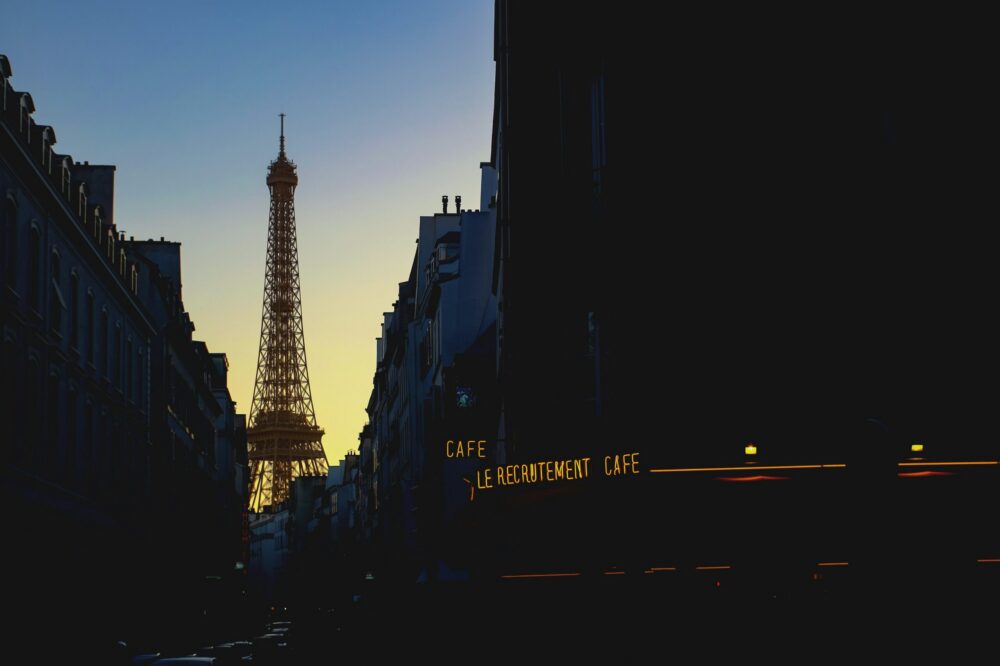
Featured image: Photo by Atikh Bana on Unsplash.