
Madrid is one of Europe’s most pedestrian-friendly capitals. With its compact historic core, wide boulevards, and pedestrianized streets, you can cover major attractions in a day without stepping on public transport. But is it truly walkable for everyone? This guide breaks down Madrid’s walkability by neighborhoods, distances, safety, and practical tips so you can decide if walking is your best option.
Table des matières:
How Walkable Is Madrid? The Quick Answer
Madrid scores highly in walkability, especially in central districts like Sol, Huertas, La Latina, and Malasaña. The city’s flat terrain (unlike hilly Lisbon or Barcelona) and compact layout make it easy to navigate on foot. According to Walk Score, Madrid’s city center rates 98 out of 100, meaning errands and sightseeing can be done without a car. However, the city sprawls outward, so outer neighborhoods and business parks require metro or bus.
Best Walking Routes in Madrid
From Sol to Plaza Mayor: The Heart of Madrid
Start at Puerta del Sol, the symbolic center. Walk through pedestrian-only streets to Plaza Mayor, a 5-minute stroll. Continue to the Royal Palace and Almudena Cathedral—another 10 minutes. This route covers three iconic landmarks in under 30 minutes.
Paseo del Prado: Art and Boulevards
The Paseo del Prado connects the Prado Museum, Thyssen-Bornemisza, and Reina Sofía. This tree-lined boulevard is a UNESCO World Heritage site. Walking from Atocha station to Plaza de Cibeles takes about 20 minutes, passing fountains and gardens.
La Latina to Huertas: Tapas and History
La Latina’s narrow streets are perfect for bar-hopping. Walk to Calle Cava Baja for tapas, then head east to Huertas (Barrio de las Letras), home to Cervantes’ house. The entire loop is about 1.5 km and takes 45 minutes with stops.
Retiro Park: A Green Escape
El Retiro Park is a 125-hectare oasis. Walk from the main entrance to the Crystal Palace, then to the lake. Allow 1–2 hours for a leisurely stroll. The park is flat and well-maintained, ideal for families.
Distances and Time Estimates
| Route | Distance (km) | Walking Time |
|---|---|---|
| Sol to Plaza Mayor | 0.3 | 5 min |
| Plaza Mayor to Royal Palace | 0.8 | 10 min |
| Sol to Prado Museum | 1.2 | 15 min |
| Prado to Reina Sofía | 1.0 | 12 min |
| Sol to La Latina | 1.5 | 20 min |
Is Madrid Safe for Walking?
Madrid is generally safe, even at night. Central areas are well-lit and patrolled. However, pickpocketing is common in crowded spots like Sol, Gran Vía, and on metro lines. Keep valuables secure and avoid displaying phones. Women traveling alone should feel comfortable, but stick to main streets after dark.
Pedestrian Infrastructure in Madrid
Sidewalks and Crosswalks
Most central streets have wide sidewalks. Pedestrianized zones like Calle Preciados and Calle Mayor are car-free. Crosswalks are plentiful, but drivers often ignore red lights—always check both ways.
Accessibility
Madrid has improved accessibility, but some historic streets have uneven cobblestones. Curb ramps are common in newer areas. The metro has elevators at many stations, but older stops lack them. For wheelchair users, central Madrid is moderately accessible; plan routes in advance.
Public Fountains and Restrooms
Free drinking fountains are scattered throughout the city. Public restrooms are rare; use cafes or museums. Many metro stations have pay toilets.
When to Walk: Weather and Timing
Spring (March–May) and fall (September–November) are ideal, with mild temperatures. Summer can be scorching (35°C+), so walk early morning or evening. Winter is chilly but dry. Rain is infrequent, but when it comes, it’s brief. Always carry water and sunscreen in summer.
Alternatives to Walking: Metro, Bus, and Bike
For longer distances or tired legs, Madrid’s metro is efficient. A single ride costs €1.50–€2.00. Buses cover areas the metro misses. BiciMAD, the public bike share, has stations across the center. However, walking remains the best way to discover hidden plazas and local life.
Walkability Checklist for Tourists
- Wear comfortable shoes—you’ll walk 10–15 km daily.
- Use a crossbody bag to deter pickpockets.
- Download offline maps (Google Maps or Maps.me).
- Plan routes to minimize backtracking.
- Take breaks at plazas with outdoor seating.
- Stay hydrated—tap water is safe to drink.
Common Mistakes Tourists Make
- Underestimating distances: Madrid is bigger than it looks on maps.
- Relying only on metro: You miss the city’s character.
- Not checking siesta hours: Many shops close 2–5 pm.
- Ignoring pedestrian crossings: Jaywalking is common but risky.
Neighborhood Walkability Comparison
| Neighborhood | Walk Score | Highlights |
|---|---|---|
| Sol / Centro | 100 | Plaza Mayor, Royal Palace, shopping |
| La Latina | 98 | Tapas bars, Rastro market |
| Malasaña | 96 | Boutiques, nightlife, Plaza del Dos de Mayo |
| Salamanca | 90 | Upscale shopping, wide avenues |
| Chamberí | 85 | Residential, less touristy |
| Usera | 70 | Multicultural, farther from center |
Frequently Asked Questions
Can you walk everywhere in Madrid?
No, but you can walk to all major attractions in the historic center. Outer districts like Chamartín or Barajas require metro or bus.
Is Madrid a walking city like Paris or London?
Madrid is more compact than London and flatter than Paris, making it easier to explore on foot. However, it lacks the extensive pedestrianized zones of some Italian cities.
How many days do you need to see Madrid on foot?
Three days is enough to cover main sights at a relaxed pace. Add a day for day trips to Toledo or Segovia.
Is it safe to walk in Madrid at night?
Yes, central areas are safe with plenty of people around. Avoid poorly lit streets and empty parks. Stick to main thoroughfares.
What shoes should I wear for walking in Madrid?
Comfortable walking shoes or sneakers. Cobblestones and long distances make heels or sandals impractical.
Are there free walking tours in Madrid?
Yes, many companies offer free walking tours (tip-based). They cover historic center, art, or food themes. Book in advance.
Final Recommendations for Walking in Madrid
Madrid is absolutely a walkable city for most visitors. The key is to stay central—within the M-30 ring road—and embrace the local pace. Use walking as your primary mode to stumble upon charming plazas, street art, and hidden cafes. Combine with metro for longer hops. Pack light, wear comfortable shoes, and you’ll discover why Madrid is best experienced on foot.
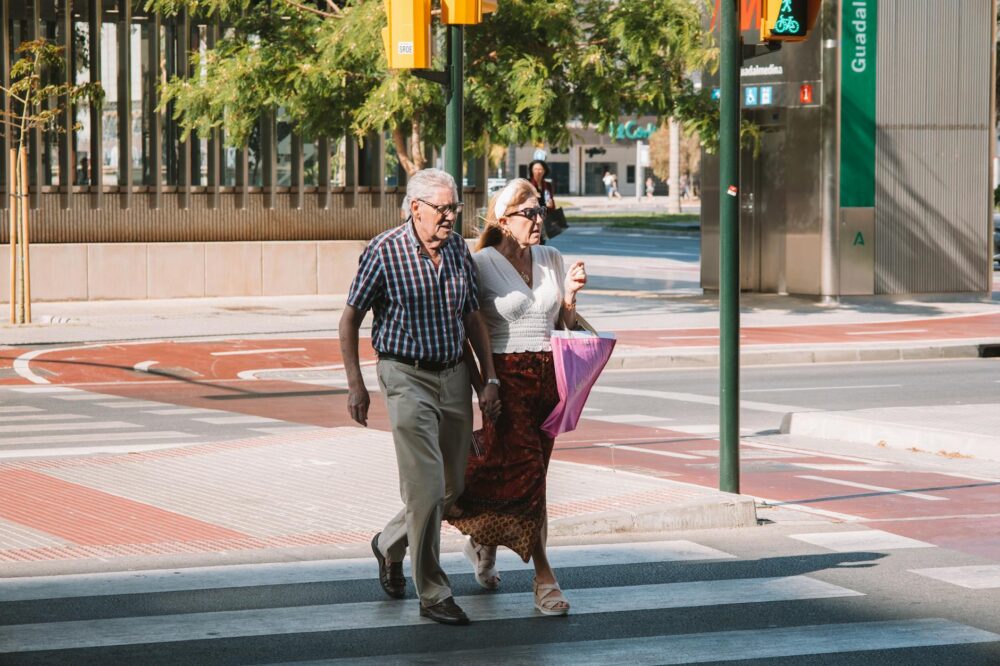
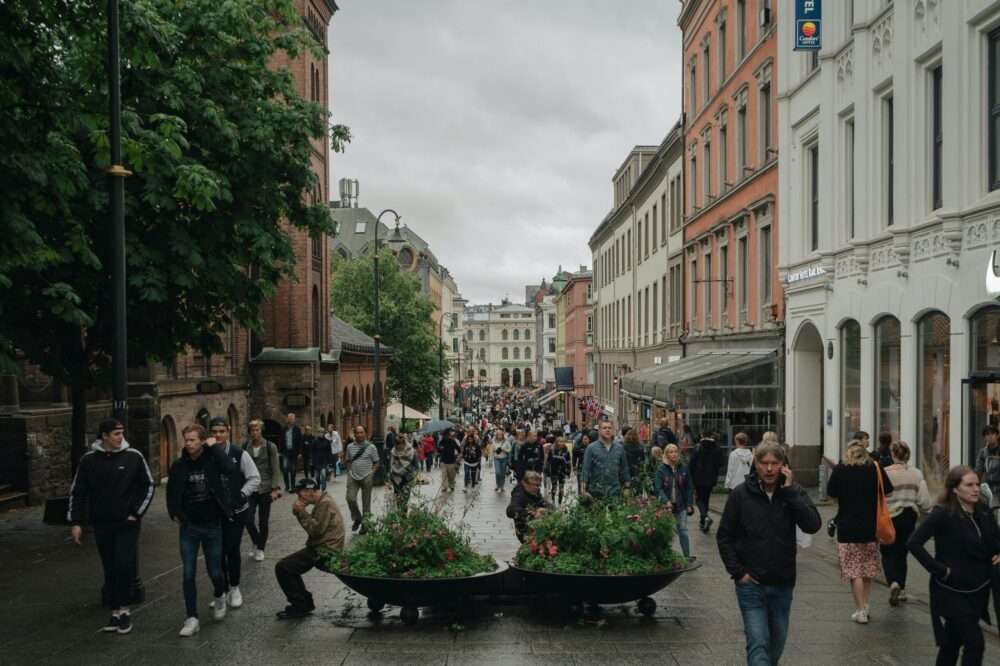
Photo by Joaquin Carfagna on Pexels
I’m a runner and would love to go for a morning jog. Are there good routes in the city center?
Retiro Park is the best spot for running, with flat paths and beautiful scenery. The Paseo del Prado is also good early in the morning when traffic is light. Avoid Gran Vía and Sol during peak hours due to crowds.
I read that Madrid is flat, but are there any hills that might make walking tiring?
Madrid is mostly flat, especially the central areas. There are gentle slopes near the Royal Palace and towards the Temple of Debod, but nothing steep. The city is much easier on foot than Lisbon or Barcelona.
Thanks for the distance estimates! How long would it take to walk from Sol to the Royal Palace including stops for photos?
The direct walk from Sol to the Royal Palace is about 10-15 minutes, but with photo stops and exploring Plaza Mayor en route, plan for 30-45 minutes. The route is very scenic, so take your time!
Is it safe to walk alone at night in the Huertas neighborhood? I’m a solo female traveler.
Huertas (Barrio de las Letras) is generally safe at night, with many restaurants and bars keeping the streets lively. Stick to well-lit main streets and be aware of your surroundings, as pickpocketing can occur in crowded spots. Most solo travelers feel comfortable there.
I have mobility issues and use a cane. Are the pedestrianized streets in central Madrid accessible?
Most pedestrian streets like Calle Preciados are flat and have smooth surfaces, but some older areas in La Latina have uneven cobblestones. The main boulevards and Retiro Park are very accessible. You’ll find curb cuts at most crosswalks.
Great guide! I’m planning a trip and wondering if the walkability extends to the area around the Atocha train station. Is it easy to walk from there to the main sights?
Yes, Atocha is very walkable. The Paseo del Prado starts right there, and you can reach the Prado Museum in about 5 minutes, Sol in 15-20 minutes. The area is flat with wide sidewalks.
What about walking with kids? Are there any areas that are particularly stroller-friendly?
Retiro Park and the Paseo del Prado are very stroller-friendly with wide, smooth paths. The pedestrian streets in Sol and around Plaza Mayor are also good, but be prepared for crowds. La Latina’s narrow streets can be tricky with a stroller.