
Table des matières:
Why Lyon Deserves a Spot on Your Photography Bucket List
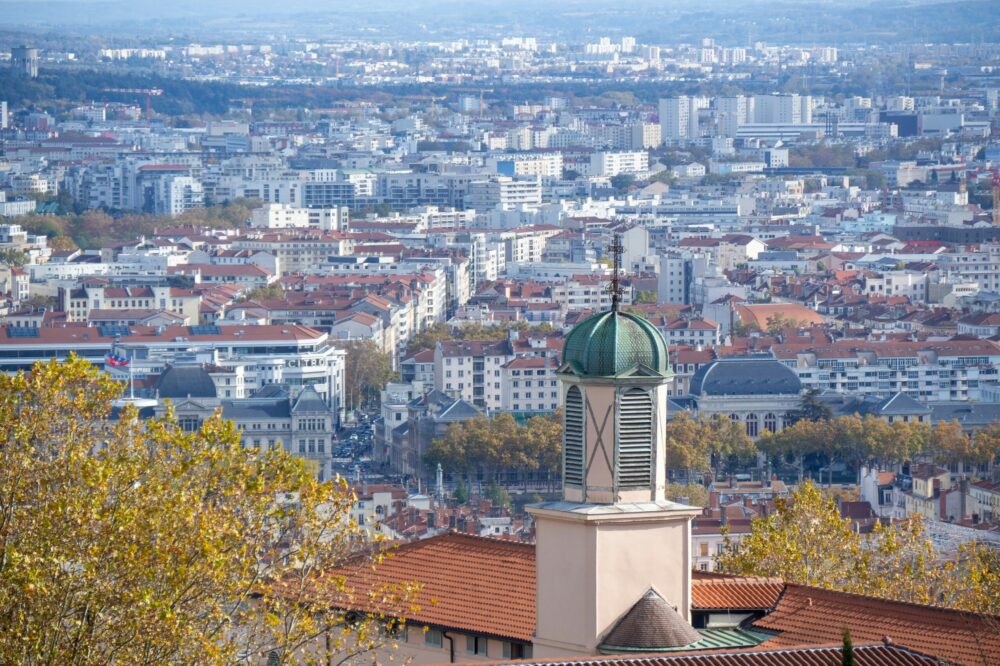
Lyon is often overshadowed by Paris, but for photographers, it offers a unique blend of history, culture, and urban beauty. With its two rivers (Rhône and Saône), Renaissance architecture in Vieux Lyon, and the iconic Basilica of Notre-Dame de Fourvière, Lyon provides endless opportunities for stunning shots. Whether you’re into street photography, architecture, or landscapes, Lyon has something for you. In this guide, we’ll explore why Lyon is a fantastic city for photography, covering the best locations, lighting conditions, gear recommendations, and practical tips.
What Makes Lyon a Photogenic City?
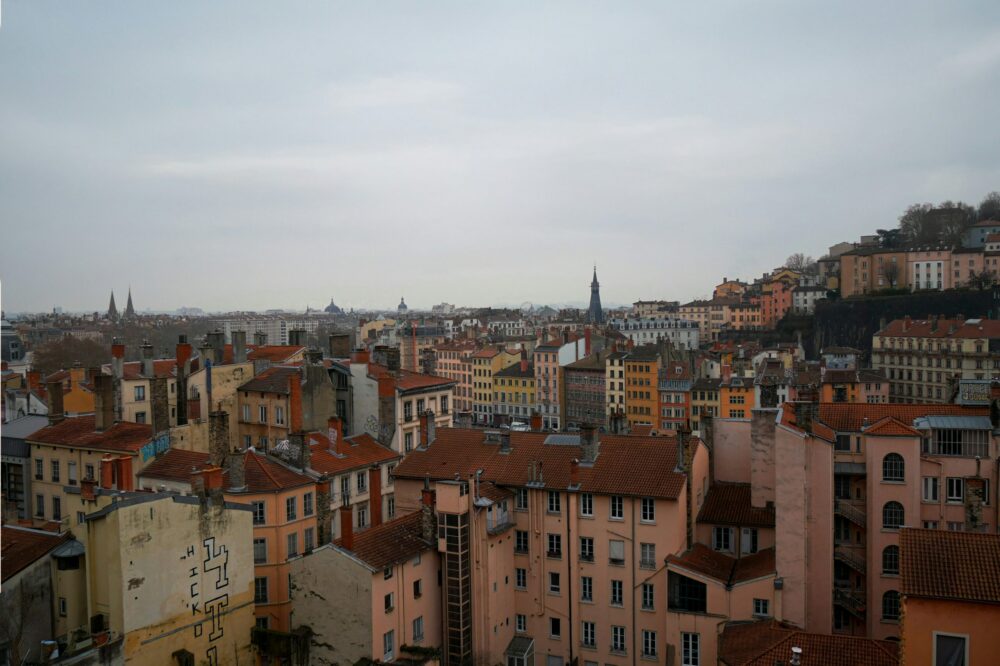
Lyon’s charm lies in its contrasts: ancient Roman ruins sit alongside modern buildings, and narrow cobblestone streets open up to vast squares. The city’s UNESCO-listed old town, Vieux Lyon, is a maze of traboules (hidden passageways) that create dramatic light and shadow play. The confluence of the two rivers offers panoramic views, especially from the hills of Fourvière and Croix-Rousse. Additionally, Lyon’s vibrant food scene and cultural festivals add a human element to your photos.
Architectural Diversity
From Roman amphitheaters to Gothic cathedrals and Renaissance mansions, Lyon’s architecture spans centuries. The Basilica of Notre-Dame de Fourvière dominates the skyline, while the modern Confluence district provides sleek lines for contemporary shots. This diversity means you can capture a wide range of styles without traveling far.
Natural Light and Seasons
Lyon enjoys a temperate climate with distinct seasons. Spring and autumn offer soft, golden light, especially during the golden hours. Summer brings long days and vibrant colors, while winter provides moody skies and foggy mornings that add atmosphere. The city’s orientation along the rivers also creates beautiful reflections at sunrise and sunset.
Best Photography Spots in Lyon
To help you plan your shoot, here’s a curated list of must-visit locations.
Fourvière Hill and Basilica
Start at the top of Fourvière Hill for sweeping views of the city. The basilica itself is a masterpiece of Byzantine architecture, and the esplanade offers a perfect vantage point for sunrise or sunset. Pro tip: arrive early to avoid crowds and capture the city waking up.
Vieux Lyon and Traboules
The old town is a labyrinth of narrow streets and hidden courtyards. The traboules are especially photogenic, with their spiral staircases and arched passageways. Use a wide-angle lens to capture the full scene, and look for interesting shadows created by the overhead structures.
Presqu’île and Place Bellecour
This peninsula between the two rivers is the heart of Lyon. Place Bellecour is one of Europe’s largest pedestrian squares, with views of the basilica in the distance. The surrounding streets are lined with colorful buildings, boutiques, and cafes. Street photography thrives here, especially during the evening when the lights come on.
Croix-Rousse
Known as the “hill that works,” Croix-Rousse was the center of Lyon’s silk industry. Its steep streets and hidden courtyards offer a more local, less touristy vibe. The views from the top are stunning, and the murals on building facades add a unique touch.
Confluence District
For modern architecture, head to the Confluence area where the rivers meet. The Musée des Confluences is a striking glass-and-steel structure, and the surrounding park provides clean lines and reflections. This area is great for minimalist and abstract photography.
Parc de la Tête d’Or
This large urban park is perfect for nature shots, portraits, and even wildlife photography (there’s a free zoo). The lake, rose garden, and greenhouses offer varied subjects. Early morning light filters through the trees, creating a magical atmosphere.
When to Shoot: Best Times and Light Conditions
Lyon’s light varies throughout the year, but the golden hours (just after sunrise and before sunset) are consistently beautiful. Here’s a quick guide:
| Season | Sunrise | Sunset | Best Conditions |
|---|---|---|---|
| Spring | 6:30-7:30 AM | 7:30-8:30 PM | Soft light, blooming flowers |
| Summer | 5:30-6:30 AM | 8:30-9:30 PM | Long days, vibrant colors |
| Autumn | 7:00-8:00 AM | 6:00-7:00 PM | Golden hues, misty mornings |
| Winter | 8:00-8:30 AM | 4:30-5:00 PM | Moody skies, low-angle light |
Blue hour (just before sunrise and after sunset) is also excellent for cityscapes and long exposures, especially along the rivers.
Gear Recommendations for Lyon Photography
Your gear choice depends on your style, but here are some versatile suggestions:


Lenses
- Wide-angle (16-35mm): Essential for architecture, interiors, and landscapes.
- Standard zoom (24-70mm): Great for street photography and general use.
- Telephoto (70-200mm): Useful for details, portraits, and compressing cityscapes.
- Prime (35mm or 50mm): Ideal for low light and creative shots.
Accessories
- Tripod: For long exposures at night or in low light. A lightweight travel tripod is recommended.
- Polarizing filter: Reduces reflections on water and enhances colors.
- Neutral density filter: Allows longer exposures during the day for silky water or cloud movement.
- Extra batteries and memory cards: You’ll shoot more than expected.
Camera Settings Tips
- Shoot in RAW for maximum editing flexibility.
- Use aperture priority (Av) for landscapes and street photography; switch to manual for long exposures.
- Keep ISO low (100-400) for best image quality; raise it indoors or at night.
- Bracket exposures for high-contrast scenes like sunsets.
Street Photography in Lyon: Etiquette and Opportunities
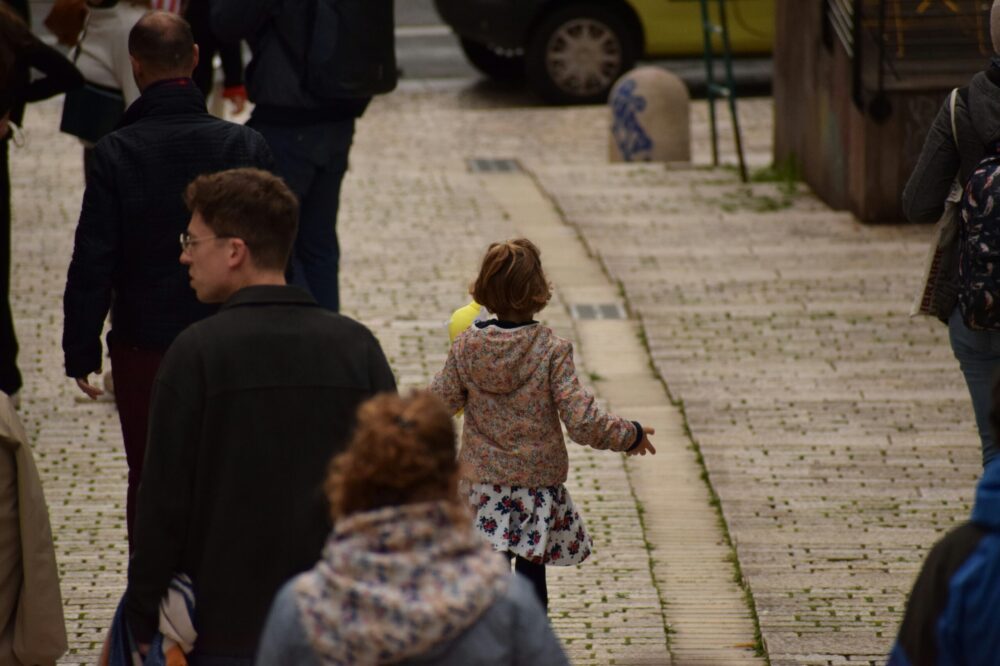
Lyon is a street photographer’s paradise. The mix of locals and tourists, bustling markets, and quiet alleys offers candid moments. Here are some tips:
- Be respectful: Ask permission if you’re photographing people up close. A smile goes a long way.
- Look for reflections: Use windows, puddles, and mirrors for creative compositions.
- Capture daily life: Markets like Les Halles de Lyon Paul Bocuse are full of colorful characters and products.
- Use a discrete camera: A small mirrorless or rangefinder camera is less intimidating than a large DSLR.
Night Photography: Lyon’s Illuminations
Lyon is famous for its Fête des Lumières (Festival of Lights) in December, but even without the festival, the city is beautifully lit year-round. The basilica, bridges, and squares are illuminated after dark, creating magical scenes. For night photography:
- Use a tripod and remote shutter release to avoid camera shake.
- Experiment with long exposures (5-30 seconds) to capture light trails from cars and boats.
- Shoot from elevated viewpoints like Fourvière or Croix-Rousse for sweeping cityscapes.
Avoid These Common Photography Mistakes in Lyon
To make the most of your trip, steer clear of these pitfalls:
- Overlooking the traboules: Many visitors miss these hidden gems. Do some research to find the public ones.
- Only shooting landmarks: Some of the best photos come from unexpected corners and everyday scenes.
- Ignoring the weather: Overcast days can be great for moody shots, but check the forecast to plan accordingly.
- Not checking festival dates: The Fête des Lumières attracts huge crowds; book accommodations early if you plan to attend.
- Forgetting to backup: Bring a portable hard drive or upload to the cloud to protect your images.
Practical Checklist for Photographers Visiting Lyon
Before you go, run through this checklist:
- ☐ Research and save photo spots on a map.
- ☐ Check sunrise/sunset times for your dates.
- ☐ Pack versatile gear (wide-angle, standard zoom, tripod).
- ☐ Bring spare batteries and memory cards.
- ☐ Learn a few French phrases (“Bonjour,” “Merci”).
- ☐ Get a Lyon City Card for free public transport and museum access.
- ☐ Download offline maps and translation apps.
- ☐ Consider travel insurance for your gear.
Does Lyon Compare to Other Photography Destinations?
While Paris has the Eiffel Tower and Rome has the Colosseum, Lyon offers a more intimate and authentic experience. It’s less crowded, more affordable, and equally photogenic. The city’s compact size means you can cover multiple locations in a day. For photographers seeking variety without the tourist chaos, Lyon is an excellent choice.
Frequently Asked Questions About Photography in Lyon
Is Lyon safe for photographers with expensive gear?
Yes, Lyon is generally safe. However, like any city, be cautious in crowded areas and keep your gear secure. Use a strap and avoid leaving equipment unattended.
Do I need a permit for street photography in Lyon?
No, casual street photography for personal use does not require a permit. Commercial photography may need permission, especially in private property or during events.
What is the best time of year for photography in Lyon?
Spring (April-May) and autumn (September-October) offer pleasant weather and beautiful light. December’s Fête des Lumières is spectacular but very crowded.
Can I use a drone in Lyon?
Drone use is heavily restricted in urban areas. You generally need a permit, and many spots are no-fly zones due to airports and historical sites. Check local regulations before flying.
Where can I find the best views of Lyon?
Fourvière Hill and Croix-Rousse offer panoramic views. For a unique perspective, take the funicular from Vieux Lyon to Fourvière.
Are there photography tours or workshops in Lyon?
Yes, several local photographers offer guided tours focusing on architecture, street photography, or night shots. Search online for reviews and book in advance.
Your Next Step: Plan Your Lyon Photography Trip
Now that you know Lyon is a fantastic city for photography, it’s time to plan your visit. Start by choosing the season that matches your style, then book accommodation near the Presqu’île or Vieux Lyon for easy access to top spots. Don’t forget to pack your camera and explore beyond the guidebook. Lyon’s hidden corners and warm light await you.
Photo by Pierre Ducher on Unsplash
Thanks for the tips! I’m wondering about the best time of day to photograph the traboules. I’ve heard they can be quite dark.
You’re right, traboules can be dim. The best time is mid-morning when light filters through the passageways, creating dramatic shadows. Avoid midday when overhead light is harsh. A wide-angle lens with a fast aperture (f/2.8 or wider) helps capture the details without a tripod.
This is really helpful. I’m curious about gear recommendations for the Fourvière Hill view. Do you think a telephoto lens is necessary?
Not necessary, but a telephoto (70-200mm) can compress the cityscape nicely. However, a wide-angle (16-35mm) is more versatile for capturing the panoramic view. For the basilica details, a standard zoom (24-70mm) works well. If you’re limited to one lens, go with the standard zoom for flexibility.
Lyon sounds amazing! I’m concerned about crowds at popular spots like Place Bellecour. Any advice for avoiding people in shots?
Absolutely. Visit early in the morning (around 7-8 AM) for empty squares. Alternatively, use a longer exposure (with a tripod) to blur moving people, or shoot from a low angle to exclude crowds. Place Bellecour is large, so you can often find quieter corners even during peak hours.
I’m planning a trip to Lyon next spring. Are there any specific photography workshops or tours you’d recommend for someone interested in street photography?
Great question! Lyon has several local photographers offering street photography walks, especially around Presqu’île and Vieux Lyon. Check out Lyon Photo Tours or Greeters Lyon for free guided walks with local insights. Booking in advance is recommended, especially in spring.