
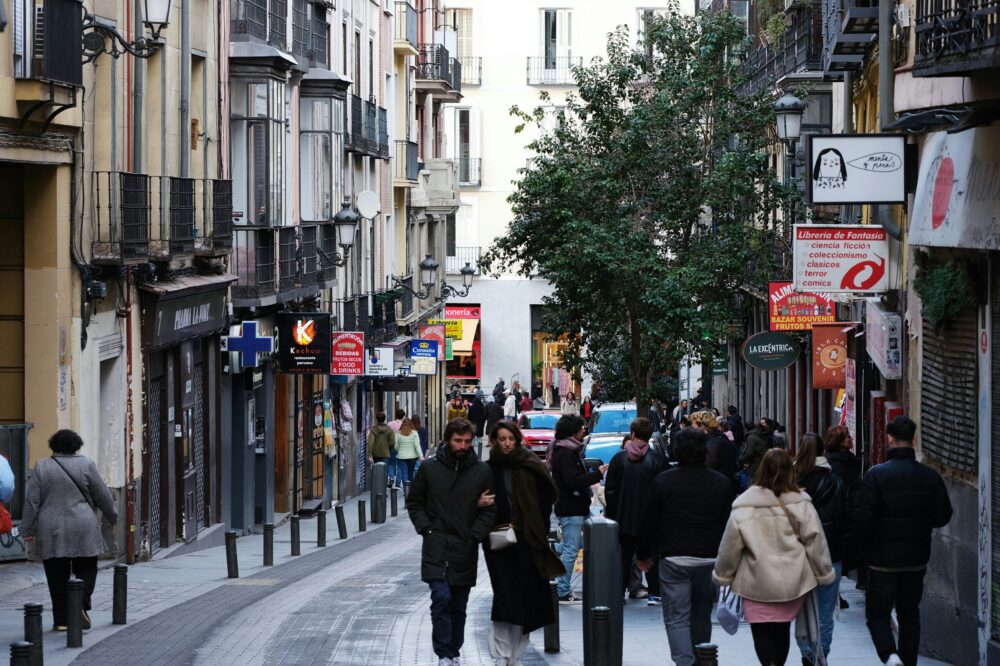
Deciding where to stay in Madrid often comes down to two iconic areas: Sol and Gran Vía. Both are central, lively, and packed with attractions, but they offer distinctly different experiences. Whether you’re a first-time visitor, a nightlife enthusiast, or a budget traveler, understanding the nuances of each neighborhood is key to a perfect stay. This guide breaks down everything you need to know to answer the question: Is it better to stay in Sol or Gran Vía?
Table des matières:
Location and Accessibility: The Heart of Madrid
Both Sol and Gran Vía sit at the epicenter of Madrid, but their geographical footprints and transport hubs differ.
Sol: The Historic Zero Kilometer
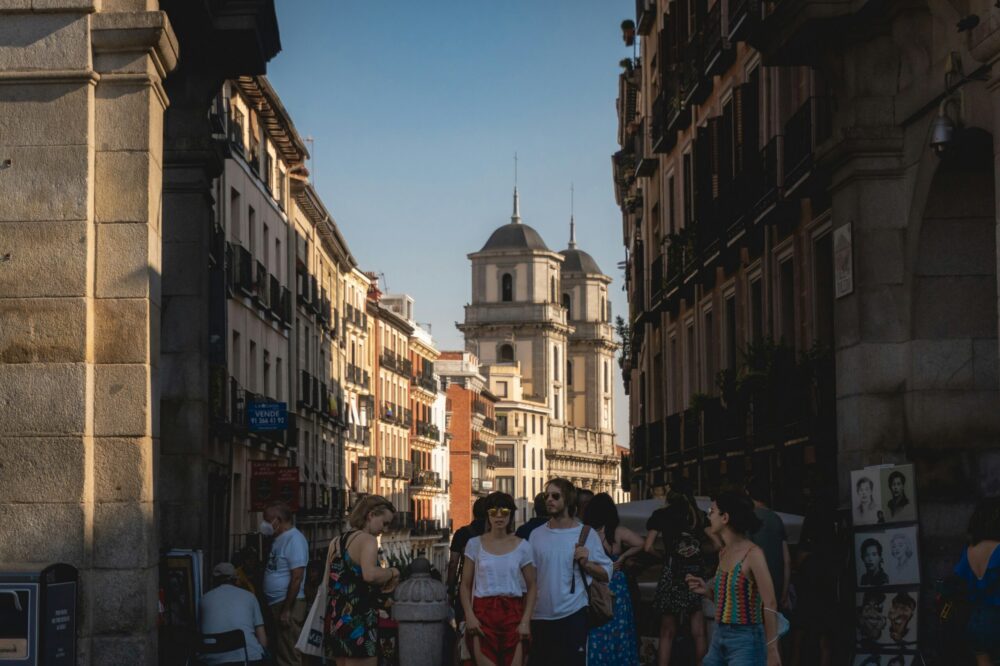
Puerta del Sol is Madrid’s symbolic center, marked by the famous ‘Kilometer Zero’ plaque. This square is a bustling hub where major streets like Calle de Alcalá, Carrera de San Jerónimo, and Calle Mayor converge. Sol is a metro station on lines 1, 2, and 3, plus Cercanías (commuter rail) connections, making it one of the best-connected spots in the city. From Sol, you can walk to Plaza Mayor in 3 minutes, the Royal Palace in 10, and the Prado Museum in 15. The area is a maze of narrow historic streets, plazas, and pedestrian zones.
Gran Vía: The Broadway of Madrid
Gran Vía is Madrid’s most famous boulevard, stretching from Calle de Alcalá to Plaza de España. It’s a grand, wide avenue lined with early 20th-century architecture, theaters, cinemas, and flagship stores. The metro stations Gran Vía (lines 1 and 5) and Callao (lines 3 and 5) serve the area. While still central, Gran Vía is slightly more elongated, so your exact hotel location matters. The boulevard is often crowded with tourists and street performers, creating a vibrant but noisy atmosphere.
Atmosphere and Vibe: Historic vs. Glamorous
The feel of each area differs significantly, influencing your daily experience.
Sol: Authentic Madrid
Sol feels like the historic heart, with a mix of locals and tourists. During the day, it’s a meeting point for shoppers and sightseers. By night, the surrounding streets—especially those in the Barrio de las Letras and La Latina—come alive with tapas bars and terraces. Sol is more ‘Madrileño’ in character, with traditional shops, old-school cafes, and a less polished edge. You might hear more Spanish spoken here than on Gran Vía.
Gran Vía: Cosmopolitan Buzz
Gran Vía is more glamorous and international. It’s a showcase of Madrid’s modern side, with neon lights, luxury stores, and rooftop bars. The atmosphere is electric but can feel touristy. Many hotels here are upscale, catering to business travelers and tourists seeking a central location with style. The boulevard is wider, so there’s more space, but also more traffic noise—though much of it is pedestrianized in sections.
Accommodation Options: Hotels and Budget
Your choice of hotel will heavily depend on your budget and preferences.
| Criterion | Sol | Gran Vía |
|---|---|---|
| Hotel range | Hostels to 4-star | 3-star to luxury |
| Average price (per night) | €80–€200 | €100–€350+ |
| Room size | Smaller, historic buildings | Larger, modern rooms |
| Noise levels | Moderate (pedestrian areas) | High (traffic, nightlife) |
| Character | Traditional, charming | Grand, elegant |
Pro tip: For a quieter stay in Sol, choose a hotel on a side street like Calle del Arenal or Calle de la Cruz. On Gran Vía, request a room facing the interior courtyard or a higher floor to reduce street noise.
Dining and Nightlife: Tapas vs. Rooftops
Food and drink options vary widely.
Sol: Traditional Taverns and Tapas Bars
Sol is surrounded by some of Madrid’s best traditional eateries. Head to Calle Cava Baja (in La Latina) for a ‘tapeo’ (tapas crawl) or try classic spots like Casa Labra (for croquetas) or Chocolatería San Ginés (for churros at 2 AM). The area is also home to many ‘bodegas’ and old-school bars. Nightlife is more about bar-hopping than clubbing, with a lively but not overwhelming scene.
Gran Vía: Rooftop Bars and International Cuisine
Gran Vía boasts some of Madrid’s best rooftop bars, such as the Círculo de Bellas Artes (with stunning views) and the Riu Plaza España. Dining here leans toward international chains, upscale restaurants, and fusion cuisine. For late-night partying, Gran Vía has more clubs and larger venues, especially around the Teatro Coliseum. If you prefer craft cocktails and panoramic vistas, Gran Vía wins.
Sightseeing and Attractions: Convenience Matters
Both areas are close to major sights, but Sol offers slightly better walkability to historic landmarks.
- Sol advantages: Immediate proximity to Plaza Mayor, Royal Palace, Almudena Cathedral, San Miguel Market, and the start of the ‘Madrid de los Austrias’ district. The main tourist information office is at Puerta del Sol.
- Gran Vía advantages: Closer to the ‘Chueca’ neighborhood (LGBTQ+ hub), Malasaña (trendy area), and the Gran Vía itself is a landmark. It’s also a short walk to Plaza de España and the Templo de Debod.
Mistake to avoid: Don’t assume both areas are equally close to the Prado Museum or Retiro Park. Sol is slightly nearer (15–20 min walk), while Gran Vía adds 5–10 minutes more.
Transport and Connectivity: Getting Around
Both areas are well-connected, but Sol has a slight edge for metro lines and Cercanías (commuter rail) to the airport and suburbs.
- Sol Metro: Lines 1, 2, 3 + Cercanías (C3, C4) to Atocha and Chamartín. Direct train to Madrid-Barajas Airport (line 8 from Nuevos Ministerios, but you can take Cercanías from Sol to Chamartín and then line 8).
- Gran Vía Metro: Lines 1 and 5 (Gran Vía station) plus lines 3 and 5 (Callao station). No direct Cercanías, but a short walk to Sol for train connections.
For airport access, Sol is more convenient due to the Cercanías connection. However, both areas are walkable to many attractions, so you may not use the metro often.
Safety and Practical Tips
Both areas are generally safe, but pickpocketing is common due to crowds. Keep valuables secured and avoid displaying phones in crowded spots. Sol can feel more chaotic at night, while Gran Vía remains busy until late. Stick to well-lit main streets and avoid dark alleys.
Who Should Stay Where? A Quick Decision Checklist
Use this checklist to decide based on your priorities:
- Choose Sol if: You want a historic atmosphere, easy access to traditional tapas, budget-friendly accommodation, and direct train to the airport. Ideal for history buffs and first-time visitors.
- Choose Gran Vía if: You prefer modern luxury, rooftop bars, a glamorous vibe, and don’t mind noise. Best for couples, business travelers, and nightlife lovers.
- Consider both equally if: You want central location but can’t decide—many hotels are within a 5-minute walk of both areas. Look at maps to see which streets your hotel is on.
Common Mistakes to Avoid
- Assuming quieter streets: Both areas can be noisy. Always check hotel reviews for noise complaints.
- Overlooking nearby neighborhoods: Staying just off the main drag (e.g., Calle de la Montera or Calle de la Luna) can be a good compromise.
- Ignoring metro connections: If you plan day trips (Toledo, Segovia), Sol’s Cercanías is a major advantage.
- Booking too far from attractions: Some Gran Vía hotels near Plaza de España are a longer walk to Sol’s historic core.
Frequently Asked Questions
Is Sol or Gran Vía more expensive?
Gran Vía generally has higher hotel prices, especially for upscale options. Sol offers more budget-friendly hostels and mid-range hotels.
Which area is safer at night?
Both are safe, but Sol can feel more chaotic due to crowds and street vendors. Gran Vía remains well-lit and busy until late. Use common sense in both.
Can I walk from Sol to Gran Vía?
Yes, it’s a 5–10 minute walk. The streets connect via Calle de Alcalá or Calle de la Montera. They are essentially part of the same central district.
Which is better for families?
Sol is slightly better due to quieter side streets and proximity to parks like El Retiro (a 15-minute walk). Gran Vía can be overwhelming for young children due to noise and crowds.
Which area has better public transport?
Sol has more metro lines and Cercanías, making it easier for airport transfers and day trips. Gran Vía is still well-connected but requires a short walk for trains.
Is Gran Vía too touristy?
It is very touristy, especially during peak season. If you prefer a more local feel, Sol’s side streets offer a more authentic Madrid experience.
Final Recommendation: Which Should You Choose?
There’s no one-size-fits-all answer to is it better to stay in Sol or Gran Vía—it depends on your travel style. For history, authenticity, and budget, Sol is unbeatable. For luxury, nightlife, and panoramic views, Gran Vía shines. If you’re still torn, consider splitting your stay: a few nights in each area to experience both sides of Madrid. Whichever you choose, you’ll be at the heart of the city, steps away from incredible food, culture, and energy. Book your hotel based on your priorities, and enjoy the vibrant Madrid experience.
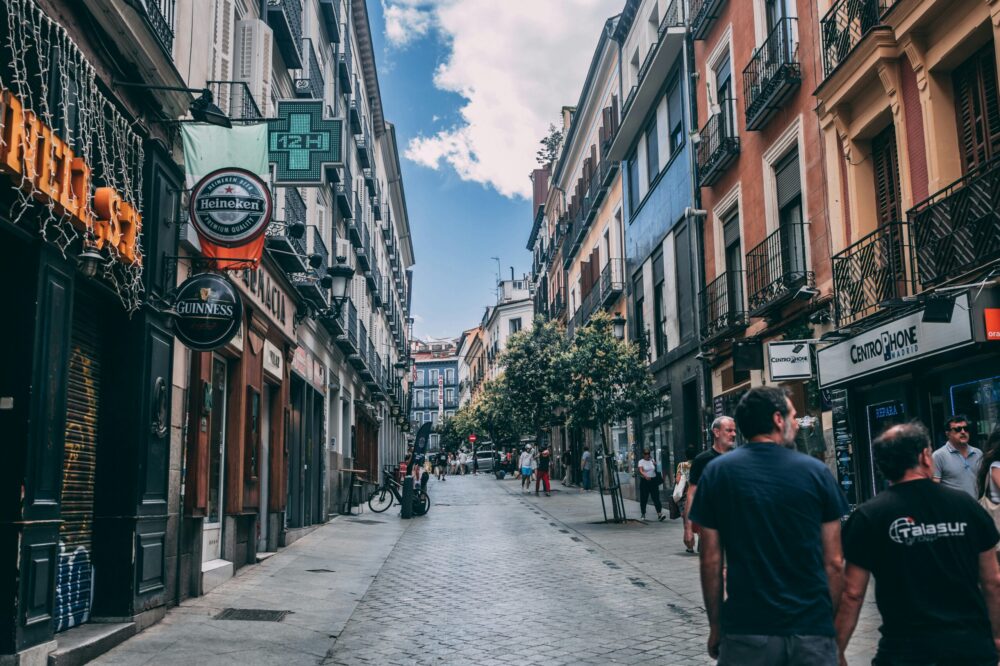
Photo by Dmitrii E. on Unsplash
What about metro connections? I’ll be arriving at Atocha station. Which area is easier to reach?
Sol has a direct connection to Atocha via Cercanías trains (commuter rail), making it very easy. From Gran Vía, you’d need to take metro line 1 from Atocha to Sol and then switch, so Sol is more straightforward.
We’re a family of four and worried about noise. Which area would be quieter at night?
For families, Sol’s side streets near Plaza Mayor or Barrio de las Letras are generally quieter than Gran Vía, which has more nightlife and traffic noise. Look for hotels on pedestrianized streets in Sol for a better sleep.
I’m on a budget and prefer hostels. Does one area have more affordable options?
Sol tends to have more budget-friendly hostels and guesthouses, especially in the streets around the square. Gran Vía has more mid-range and upscale hotels, but there are still some affordable options near Callao.
Great guide! I’m a first-time visitor and want to be close to museums. Is Sol or Gran Vía better for walking to the Prado?
Sol is slightly closer to the Prado Museum—about a 15-minute walk—while from Gran Vía it’s around 20 minutes. Both are walkable, but Sol’s compact historic center makes it more convenient for museum hopping.