Table des matières:
Introduction
Florence, the cradle of the Renaissance, is a city that beckons travelers to immerse themselves in its art, history, and culture. But is Florence a walkable city? The answer is a resounding yes. In fact, walking is the best way to experience Florence’s intimate charm. With its compact historic center, pedestrian-friendly streets, and iconic landmarks clustered within a manageable area, Florence invites you to explore on foot. This guide will delve into why Florence is a walkable city, what to expect, and how to make the most of your walking adventure.
Why Florence is a Walkable City
Florence’s historic center is a UNESCO World Heritage site, and its layout has remained largely unchanged since the Renaissance. The city is compact, with most major attractions located within a 1.5-mile radius. The streets are narrow, often cobblestoned, and many are closed to traffic, making it ideal for pedestrians. Whether you’re strolling along the Arno River, wandering through the Oltrarno district, or hopping from one museum to another, you’ll find that walking is not just convenient but also rewarding.
Compact Layout
The heart of Florence is small. You can walk from the Duomo to the Uffizi Gallery in about 10 minutes. The distance from Santa Maria Novella to Piazza della Signoria is just a 15-minute stroll. This compactness means you can see a lot in a short time without needing public transport.
Pedestrian Zones
Many of Florence’s main streets are pedestrian-only or have limited traffic. For example, Via de’ Calzaiuoli, the main street connecting the Duomo and Piazza della Signoria, is a pedestrian paradise. The area around the Duomo, Piazza della Repubblica, and the Ponte Vecchio are all walker-friendly.
Accessibility
While some streets have cobblestones, most major routes are well-maintained and accessible. The city is also relatively flat, with only gentle inclines in areas like the Oltrarno or the hills around Piazzale Michelangelo.
Top Walkable Attractions in Florence
Here are the must-see sights that are easily reachable on foot from one another:
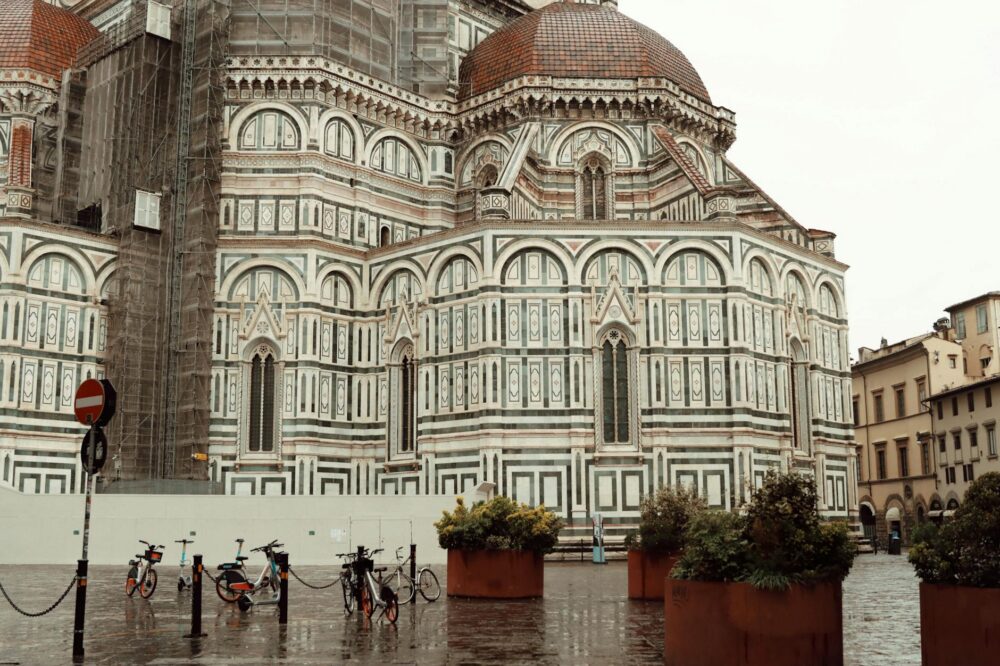
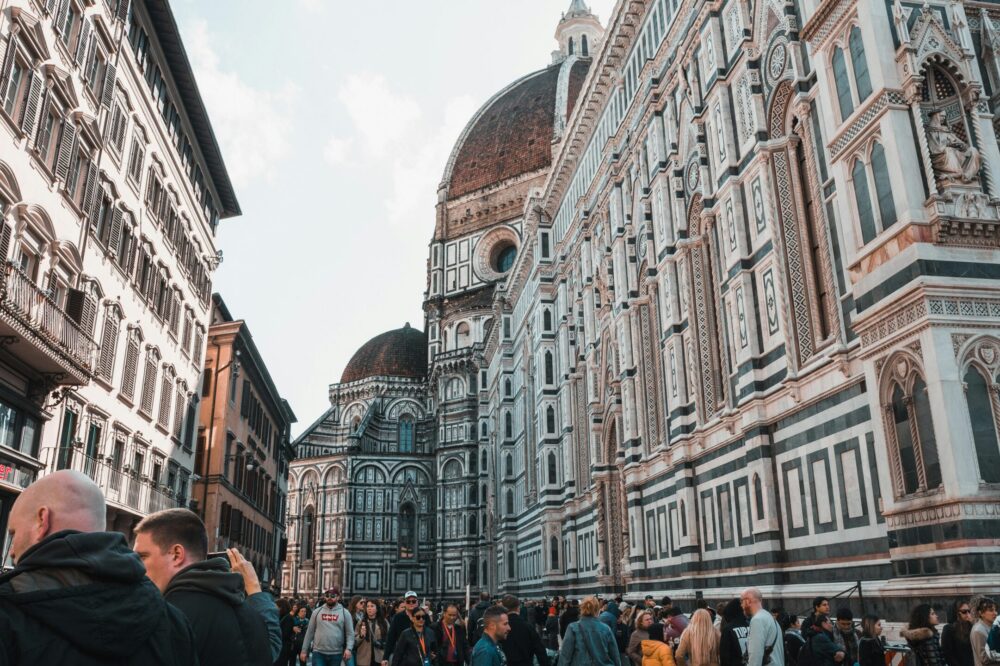
- Duomo (Cathedral of Santa Maria del Fiore) – The iconic dome dominates the skyline and is a short walk from many hotels.
- Uffizi Gallery – Home to Botticelli’s “Birth of Venus,” just a 10-minute walk from the Duomo.
- Ponte Vecchio – The famous bridge lined with jewelry shops, a 5-minute walk from the Uffizi.
- Piazza della Signoria – An open-air sculpture gallery with the Palazzo Vecchio.
- Santa Croce Basilica – The burial place of Michelangelo and Galileo, a 10-minute walk from the Duomo.
- Piazzale Michelangelo – Offers panoramic views of the city, a 20-minute uphill walk from the historic center.
Tips for Walking in Florence
To make your walking experience enjoyable, keep these tips in mind:
- Wear comfortable shoes – Cobblestones can be tough on your feet, so sturdy, cushioned shoes are a must.
- Carry a water bottle – There are public water fountains (fontanelle) around the city where you can refill for free.
- Use a map or app – While Florence is easy to navigate, having a map helps you discover hidden alleys.
- Take breaks – Enjoy a gelato or an espresso at a café to rest your legs.
- Watch out for traffic – Even in pedestrian zones, be aware of bikes, scooters, and occasional cars.
Walking Tours in Florence
If you prefer a guided experience, consider a walking tour. Many tours focus on specific themes like Renaissance art, food, or history. Walking tours typically last 2-3 hours and cover the main highlights. Some popular options include:
- Free Walking Tours – Tip-based tours that cover the historic center.
- Food Tours – Sample local delicacies while walking through markets and neighborhoods.
- Art Tours – Focus on the Uffizi, Accademia, and other museums.
What About Public Transport?
While Florence is highly walkable, you might need public transport for certain destinations. For example, to reach the Fiesole hills or the airport, buses are available. The city also has a tram line that connects the airport to the main train station. However, for most tourists, walking is sufficient. In fact, many locals prefer to walk or cycle.
When Walking Might Not Be Ideal
During peak summer months, the heat can be intense. If you’re visiting in July or August, consider walking early in the morning or later in the evening. Also, if you have mobility issues, some cobblestone streets and stairs can be challenging. In such cases, use public transport or taxis.
Conclusion
So, is Florence a walkable city? Absolutely. Its compact size, pedestrian-friendly streets, and concentration of attractions make it one of the most walkable cities in Italy. By exploring on foot, you’ll not only save money on transport but also discover hidden gems that you might miss otherwise. From the majestic Duomo to the charming Oltrarno, every step in Florence is a step through history. Lace up your walking shoes and get ready to fall in love with this Renaissance jewel.
Photo by Irina Balashova on Pexels