
Table des matières:
El Rastro: Madrid’s Sunday Tradition
Every Sunday and public holiday, Madrid’s La Latina neighborhood transforms into a sprawling open-air market known as El Rastro. For over four centuries, this iconic flea market has drawn locals and tourists alike. But is El Rastro market worth visiting today? The short answer is yes—if you go prepared. This guide will help you decide, plan your trip, and avoid common pitfalls.
What Makes El Rastro Unique?
El Rastro is not just a market; it’s a cultural experience. Stretching along Calle de la Ribera de Curtidores and spilling into side streets, it offers a chaotic mix of antiques, second-hand goods, clothing, accessories, art, and souvenirs. The atmosphere is electric, with street performers, live music, and the buzz of haggling in multiple languages. Unlike static souvenir shops, El Rastro feels alive and ever-changing.
History and Authenticity
Dating back to the 15th century, El Rastro originally served as a meat market (the name refers to the trail of blood from slaughterhouses). Over time, it evolved into a flea market. While some modern stalls sell mass-produced items, you can still find genuine antiques, vintage treasures, and handmade crafts if you look carefully. The market retains a raw, unpolished charm that many shopping malls lack.
What to Expect: Layout and Atmosphere
El Rastro covers several blocks, with over 1,000 stalls. The main artery is Calle de la Ribera de Curtidores, but the most interesting finds often lie on the side streets. Expect dense crowds from 10:00 AM to 2:00 PM. The market officially runs from 9:00 AM to 3:00 PM, but many vendors start packing up around 2:30 PM.
Types of Stalls
- Antiques and collectibles: Old coins, stamps, vintage cameras, furniture, and vinyl records.
- Clothing and accessories: New and second-hand clothes, leather goods, hats, and jewelry.
- Art and crafts: Paintings, prints, handmade ceramics, and local artisan products.
- Miscellaneous: Electronics, books, toys, home decor, and tourist souvenirs.
- Food and drink: While not a food market, nearby bars serve tapas and drinks; you can also find churros and roasted chestnuts in winter.
Is El Rastro Worth Visiting for Shopping?
It depends on what you’re looking for. If you love treasure hunting, vintage shopping, or bargaining, El Rastro is a paradise. You can find unique items you won’t see elsewhere. However, if you expect high-end boutiques or curated selections, you may be disappointed. Quality varies widely, and many items are inexpensive trinkets. The real value lies in the experience and the hunt.
Best Things to Buy
- Vintage postcards and stamps (great souvenirs)
- Leather belts and bags (often good quality and negotiable)
- Second-hand books in Spanish
- Unique art prints from local artists
- Antique jewelry and silverware
What to Avoid
- Mass-produced souvenirs (cheap keychains, plastic fans) – better bought elsewhere for less.
- Electronics without testing – many are broken or overpriced.
- Fake designer goods – illegal and poor quality.
Practical Tips for Visiting El Rastro
To make your visit enjoyable, follow these recommendations:
| Tip | Why It Matters |
|---|---|
| Arrive early (before 10 AM) | Crowds are thinner, and vendors are more willing to bargain. |
| Wear comfortable shoes | You’ll walk on cobblestones for hours. |
| Bring cash (small bills) | Many stalls don’t accept cards; ATMs nearby have long queues. |
| Keep valuables secure | Pickpockets operate in crowds; use a crossbody bag with zippers. |
| Know your haggling limits | Politely offer 50-70% of the asking price; be ready to walk away. |
| Explore side streets | The best antiques and art are often away from the main drag. |
| Combine with La Latina | After the market, enjoy tapas in the surrounding neighborhood. |
How to Get to El Rastro
The market is located in the La Latina district, easily accessible by metro. The nearest stations are La Latina (Line 5) and Tirso de Molina (Line 1). Both are a short walk away. Buses also serve the area; check routes 17, 18, 23, 35, and 60. If driving, parking is extremely limited; use public transport or a taxi.
Best Time to Visit
Sunday morning is the only time the market is fully open (plus public holidays). For the best experience, arrive at 9:00 AM sharp. The market is most crowded between 11:00 AM and 1:00 PM. If you prefer a quieter visit, go early, but note that some stalls may still be setting up. Avoid visiting after 2:00 PM as vendors start packing.
Common Mistakes to Avoid
- Going too late: You’ll miss the best items and face the biggest crowds.
- Not bargaining: Prices are often inflated for tourists; a friendly negotiation is expected.
- Sticking only to the main street: The real gems are in the side alleys.
- Carrying large bags: They make you a target and are cumbersome in tight spaces.
- Forgetting to check opening days: El Rastro is only on Sundays and public holidays; it’s closed on Mondays.
Is El Rastro Suitable for Families?
Yes, but with caution. Children may enjoy the lively atmosphere and street performers, but the crowds can be overwhelming. Strollers are difficult to maneuver. If you bring kids, visit early and keep them close. There are no specific children’s activities, but the experience can be educational for older kids interested in history or antiques.
Nearby Attractions and Activities
El Rastro is located in one of Madrid’s most historic neighborhoods. After the market, consider:
- Visiting the Museo del Prado or Thyssen-Bornemisza (15-minute walk)
- Exploring Plaza Mayor and Puerta del Sol
- Enjoying tapas in La Latina’s many taverns
- Walking to Royal Palace of Madrid
El Rastro vs. Other Madrid Markets
Madrid has several markets, each with a different focus. Here’s how El Rastro compares:
| Market | Focus | Best For |
|---|---|---|
| El Rastro | Flea market, antiques, second-hand | Treasure hunting, bargains, local vibe |
| Mercado de San Miguel | Gourmet food | Tapas, wine, upscale foodies |
| Mercado de la Cebada | Traditional market | Fresh produce, local shopping |
| Mercado de Motores | Vintage and design | Unique crafts, retro items |
If you have time, visit multiple markets. But for a quintessential Madrid experience, El Rastro is unmatched.
Final Verdict: Is El Rastro Worth Visiting?
Absolutely—if you go with the right mindset. El Rastro is worth visiting for its history, energy, and the thrill of discovery. It’s not a polished shopping center; it’s a chaotic, authentic slice of Madrid life. Whether you’re a collector, a bargain hunter, or a curious traveler, you’ll find something memorable. Just follow the tips above, stay aware of your surroundings, and embrace the adventure.
Your El Rastro Checklist
- Go on Sunday or a public holiday
- Arrive by 9:30 AM
- Bring cash and an empty bag
- Wear comfortable shoes and secure your belongings
- Explore side streets
- Bargain politely
- Enjoy a post-market tapas lunch
Now you’re ready to experience El Rastro like a pro. Enjoy your visit to Madrid’s most famous flea market!
Frequently Asked Questions About El Rastro
What are El Rastro market opening hours?
El Rastro is open on Sundays and public holidays from 9:00 AM to 3:00 PM. Most stalls are fully set up by 10:00 AM and start packing around 2:30 PM.
Is El Rastro open on Saturday?
No, El Rastro only operates on Sundays and public holidays. Some surrounding shops may be open on Saturdays, but the main market is not.
Can you bargain at El Rastro?
Yes, bargaining is common and expected. Start by offering about half the asking price and negotiate from there. Be polite and friendly.
Is El Rastro safe for tourists?
Generally yes, but pickpocketing is a risk due to crowds. Keep your valuables secure, avoid flashing expensive items, and stay alert.
What is the best metro stop for El Rastro?
La Latina (Line 5) and Tirso de Molina (Line 1) are the closest stations. Both are a short walk from the market.
Are there bathrooms at El Rastro?
Public restrooms are scarce. Use facilities at nearby cafes or restaurants before you arrive, or buy a drink at a bar to use theirs.
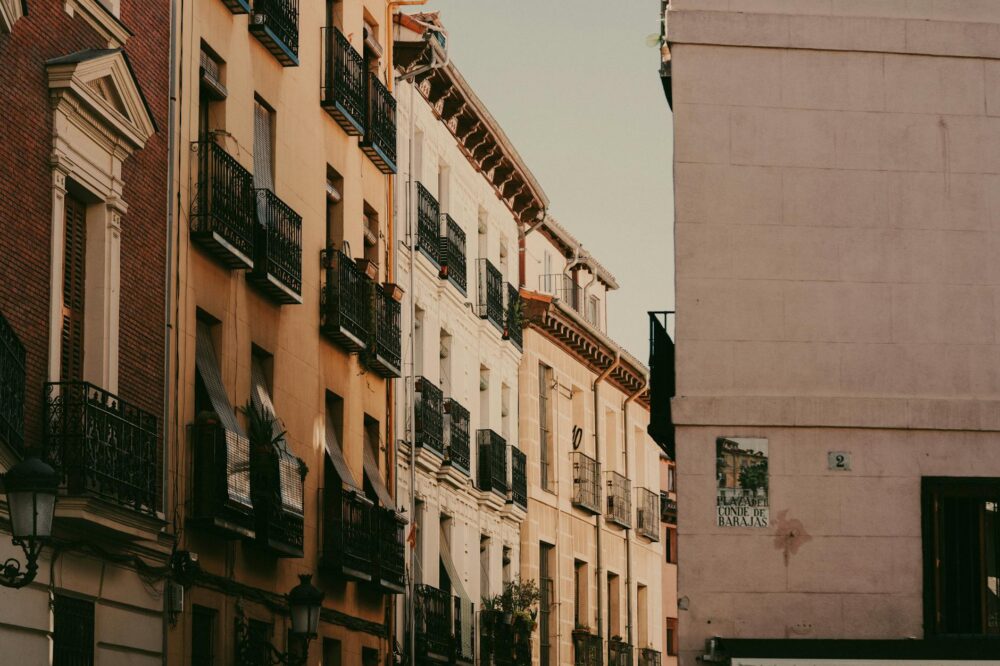
Photo by Veronica H on Unsplash
Great article! One practical question: are there ATMs nearby? I’d rather not carry too much cash.
There are ATMs around La Latina, but they can have long lines on market day. It’s best to bring cash, as many vendors don’t accept cards. There’s a Santander bank at Plaza de Cascorro, but I’d recommend hitting an ATM before you arrive.
I’m planning a trip to Madrid and wondering if El Rastro is worth visiting on a tight schedule. Is it really that crowded in the morning?
Yes, it gets very crowded from around 10 AM to 2 PM. If you prefer a slightly less hectic experience, try arriving right at 9 AM when it opens. Even then, expect busy streets. The atmosphere is part of the charm, but if crowds bother you, it might not be your thing.