Table des matières:
How to Visit the Paris Opera House and See a Performance: Your Ultimate Guide
Visiting the Paris Opera House, officially known as the Palais Garnier, is a dream for many travelers and culture enthusiasts. This iconic landmark, immortalized in literature and film, offers not only breathtaking architecture but also world-class performances. Whether you’re planning to admire its opulent interiors or attend a ballet or opera, knowing how to visit the Paris Opera House and see a performance can transform your experience from ordinary to extraordinary. This comprehensive guide provides all the essential information, from booking tickets to navigating the venue, ensuring you make the most of your visit.
Understanding the Paris Opera House: Palais Garnier
The Paris Opera House, or Palais Garnier, is one of the most famous opera houses in the world. Designed by Charles Garnier and inaugurated in 1875, it stands as a masterpiece of 19th-century architecture. Before diving into how to visit the Paris Opera House and see a performance, it’s helpful to appreciate its historical and cultural significance. The building features a grand staircase, a stunning auditorium with a Chagall-painted ceiling, and the legendary Phantom of the Opera’s box. Today, it primarily hosts ballet performances by the Paris Opera Ballet, while operas are often held at the newer Opéra Bastille. Understanding this distinction is key to planning your visit.
Key Features of the Palais Garnier
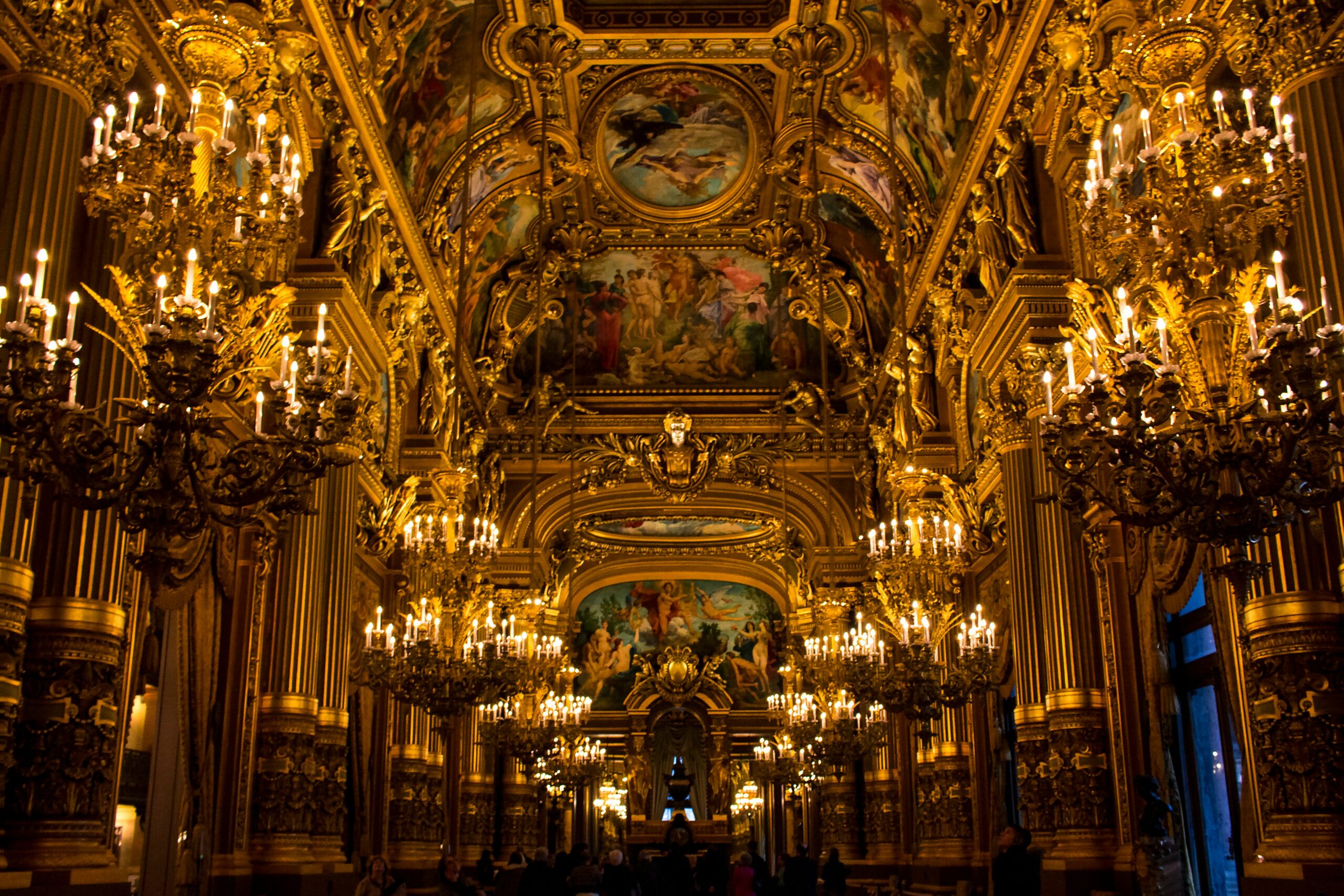
When you visit the Paris Opera House, you’ll encounter several highlights that make it a must-see destination. The Grand Foyer, with its mirrors and gold leaf, rivals the Hall of Mirrors at Versailles. The auditorium itself, seating nearly 2,000 people, is adorned with red velvet and intricate carvings. Don’t miss the library-museum, which houses archives and exhibits related to the opera’s history. These elements contribute to the overall experience, whether you’re attending a performance or taking a tour.
Planning Your Visit: Step-by-Step
To successfully visit the Paris Opera House and see a performance, careful planning is essential. Start by deciding on your goals: do you want to take a guided tour, attend a show, or both? This section breaks down the process into manageable steps, from research to execution.
Step 1: Choose Your Experience
There are two main ways to experience the Palais Garnier: through a self-guided or guided tour, or by attending a performance. Tours allow you to explore the architecture and history at your own pace, while performances offer a live cultural experience. Many visitors opt for both, scheduling a tour during the day and a show in the evening. Consider your interests, budget, and schedule when making this decision.
Step 2: Book Tickets in Advance
Booking tickets early is crucial, especially if you want to visit the Paris Opera House and see a performance. Performances often sell out months ahead, particularly for popular ballets or operas. Use the official Paris Opera website to check schedules and purchase tickets. For tours, you can book online or buy tickets on-site, but advance booking is recommended to avoid long queues. Keep an eye out for last-minute deals or discounted tickets for students and seniors.
- Performance tickets: Available up to 6 months in advance on the Paris Opera website.
- Tour tickets: Can be purchased online or at the entrance; self-guided tours cost around €14, guided tours €20.
- Combination tickets: Some packages include both a tour and a performance, offering better value.
Step 3: Check the Schedule and Dress Code
Before you visit the Paris Opera House and see a performance, review the performance schedule carefully. The Palais Garnier primarily hosts ballet, with occasional concerts or special events. Performances typically start in the evening, with matinees on weekends. As for dress code, while there’s no strict requirement, smart casual or formal attire is encouraged to match the venue’s elegance. Avoid overly casual clothing like shorts or flip-flops to respect the tradition and ambiance.
Attending a Performance: What to Expect
Attending a performance at the Paris Opera House is a memorable experience. From the moment you arrive, you’ll be immersed in a world of art and history. This section covers everything you need to know to enjoy the show seamlessly.
Arrival and Entry
Plan to arrive at least 30 minutes before the performance starts. This gives you time to find your seat, explore the lobby, and soak in the atmosphere. The entrance is at the main facade on Place de l’Opéra. Show your e-ticket or printed ticket at the door, and be prepared for a security check. Once inside, you can cloak your coat for a small fee and visit the restrooms before the show begins.
During the Performance
Once seated, take a moment to admire the auditorium’s details, including the grand chandelier and Marc Chagall’s ceiling painting. Performances usually last 2 to 3 hours, with intermissions. Use the intermission to stretch your legs, enjoy a drink at the bar, or discuss the show with fellow attendees. Remember to silence your phone and avoid photography during the performance to maintain the respectful environment.
Post-Performance Tips
After the show, consider exploring the area around the Paris Opera House. The neighborhood is home to luxury shops, cafes, and the Galeries Lafayette department store. If you’re inspired to learn more, you can book a backstage tour on another day to see behind the scenes. Reflecting on how to visit the Paris Opera House and see a performance can enhance future cultural trips.
Practical Tips for a Smooth Visit
To make your visit to the Paris Opera House and see a performance as enjoyable as possible, keep these practical tips in mind. They address common concerns and help you avoid pitfalls.
Getting There and Accessibility
The Palais Garnier is easily accessible by public transportation. The nearest metro stations are Opéra (lines 3, 7, 8), Chaussée d’Antin – La Fayette (line 9), and Havre – Caumartin (line 9). Several bus lines also stop nearby. If you’re driving, note that parking is limited and expensive in the area. The venue is partially accessible for visitors with reduced mobility; contact the opera house in advance to arrange assistance.
Budgeting for Your Visit
Costs can vary widely when you visit the Paris Opera House and see a performance. Performance tickets range from €10 for standing room to over €200 for premium seats. Tours are more affordable, with self-guided options starting at €14. Factor in additional expenses like transportation, dining, and souvenirs. To save money, look for discounted tickets on weekdays or during off-peak seasons.
- Performance tickets: €10–€250+ depending on seat and show.
- Tour tickets: €14–€20 per person.
- Additional costs: Cloakroom fees, programs, drinks, and transportation.
Best Time to Visit
The best time to visit the Paris Opera House and see a performance depends on your preferences. For pleasant weather and fewer crowds, consider spring (April–June) or fall (September–October). The performance season runs from September to July, with a break in August. Holiday performances, such as The Nutcracker in December, are especially popular and require early booking. Weekday visits tend to be less crowded than weekends.
Enhancing Your Experience: Insider Advice
Beyond the basics, these insider tips can help you visit the Paris Opera House and see a performance like a seasoned traveler. They focus on maximizing enjoyment and discovering hidden gems.
Explore Beyond the Main Auditorium
While the auditorium is stunning, don’t overlook other areas during your visit. The Rotonde des Abonnés, a circular room near the entrance, often features temporary exhibitions. The rooftop offers a unique view of Paris, though access may be limited. If you’re on a tour, ask about the lake beneath the building, a water reservoir that inspired the Phantom of the Opera legend.
Combine with Other Attractions
The Paris Opera House is located in the 9th arrondissement, close to many other attractions. Plan a full day by visiting the Galeries Lafayette for shopping, the Musée Grévin wax museum, or the Sacré-Cœur Basilica in Montmartre. This makes your trip more efficient and enriching, especially if you’re short on time.
Learn About the Performances
Before you attend a show, research the performance to enhance your appreciation. Read about the ballet or opera’s plot, composer, and historical context. The Paris Opera website often provides synopses and program notes. This preparation can deepen your understanding and make the experience more meaningful when you visit the Paris Opera House and see a performance.
Conclusion: Making Your Paris Opera House Visit Unforgettable
Learning how to visit the Paris Opera House and see a performance opens the door to one of Paris’s most iconic cultural experiences. From booking tickets in advance to dressing appropriately and exploring hidden corners, each step contributes to a seamless and memorable visit. Whether you’re a first-time visitor or a returning enthusiast, the Palais Garnier offers a blend of history, art, and live performance that captivates all who enter. By following this guide, you can plan with confidence and fully immerse yourself in the magic of the Paris Opera House. Start your journey today and create memories that will last a lifetime.