Table des matières:
Introduction to the Capitoline Museums
Planning a trip to Rome and wondering how to visit the Capitoline Museums? As one of the world’s oldest public museums, founded in 1471, the Capitoline Museums offer a breathtaking journey through ancient art and history. Located on Capitoline Hill, this cultural treasure houses masterpieces from Roman antiquity, Renaissance art, and beyond. In this comprehensive guide, we’ll walk you through everything you need to know about how to visit the Capitoline Museums, from practical tips on tickets and hours to the unmissable highlights that make this site a must-see for any traveler.
How to Visit the Capitoline Museums: Practical Information
Before diving into the artistic wonders, it’s essential to understand the logistics of your visit. The Capitoline Museums are situated in the heart of Rome, making them easily accessible, but proper planning can enhance your experience.
Location and Getting There
The Capitoline Museums are located on Piazza del Campidoglio, designed by Michelangelo, on Capitoline Hill. This central spot is within walking distance of major landmarks like the Roman Forum and Colosseum. To get there, you can use public transportation: take metro line B to Colosseo station or numerous bus lines that stop nearby. If you’re driving, note that parking in central Rome is limited, so public transport is recommended.
Opening Hours and Best Times to Visit
The museums are typically open from 9:30 AM to 7:30 PM daily, with last entry at 6:30 PM. They are closed on certain holidays, such as January 1, May 1, and December 25, so check the official website for updates. To avoid crowds, consider visiting early in the morning or later in the afternoon, especially during peak tourist seasons from April to October. Weekdays tend to be less busy than weekends.
Tickets and Admission
When planning how to visit the Capitoline Museums, ticket options are straightforward. Standard admission is around €15 for adults, with discounts available for EU citizens aged 18-25, and free entry for those under 18 and on the first Sunday of each month. You can purchase tickets online in advance to skip the lines, which is highly recommended during busy periods. Combined tickets that include access to other sites like the Roman Forum are also available, offering great value for extended exploration.
Highlights of the Capitoline Museums: Must-See Masterpieces
Once inside, the Capitoline Museums unfold across multiple buildings, including the Palazzo dei Conservatori and Palazzo Nuovo, connected by an underground gallery. Here are the top highlights to prioritize during your visit.
The Capitoline She-Wolf
One of the most iconic symbols of Rome, the Capitoline She-Wolf, is a bronze sculpture dating back to the 5th century BC. It depicts the she-wolf nursing Romulus and Remus, the mythical founders of Rome. This masterpiece is housed in the Palazzo dei Conservatori and serves as a powerful reminder of the city’s legendary origins. Its detailed craftsmanship and historical significance make it a centerpiece of the collection.
Equestrian Statue of Marcus Aurelius
Another standout is the gilded bronze equestrian statue of Emperor Marcus Aurelius, located in the Piazza del Campidoglio square. Originally from the 2nd century AD, this statue is one of the few surviving Roman equestrian bronzes and exemplifies imperial grandeur. Its preservation over centuries adds to its allure, offering a glimpse into the artistic and political achievements of ancient Rome.
Dying Gaul and Other Ancient Sculptures
In the Palazzo Nuovo, you’ll find the Dying Gaul, a Hellenistic sculpture that poignantly captures the agony of a wounded warrior. This piece, along with others like the Capitoline Venus and the Spinario (Boy with Thorn), showcases the museums’ rich collection of classical statues. These works highlight the emotional depth and technical skill of ancient artists, making them essential stops on your tour.
Pinacoteca Capitolina: Renaissance and Baroque Art
For art enthusiasts, the Pinacoteca Capitolina offers a stunning array of paintings from the Renaissance and Baroque periods. Key works include Caravaggio’s “Saint John the Baptist” and paintings by Titian, Rubens, and Velázquez. This section provides a contrast to the ancient sculptures, illustrating the evolution of artistic styles in Rome through the centuries.
Tips for an Optimal Visit to the Capitoline Museums
To make the most of your experience, consider these practical tips when figuring out how to visit the Capitoline Museums.
- Wear comfortable shoes, as the museums involve a lot of walking across multiple floors and buildings.
- Allocate at least 2-3 hours for your visit to fully appreciate the highlights without rushing.
- Use the audio guide or join a guided tour for deeper insights into the history and art.
- Don’t miss the underground gallery, which connects the palaces and offers views of the Roman Forum.
- Check for temporary exhibitions, which often feature special collections and can enhance your visit.
Conclusion: Your Guide to the Capitoline Museums Experience
In summary, knowing how to visit the Capitoline Museums is key to unlocking one of Rome’s most enriching cultural experiences. From securing tickets in advance to marveling at highlights like the She-Wolf and Marcus Aurelius statue, this guide provides all the essentials for a seamless visit. Whether you’re a history buff, art lover, or first-time traveler, the Capitoline Museums offer a timeless journey through the heart of ancient and Renaissance Rome. Plan your trip today to discover these treasures firsthand and immerse yourself in the legacy of the Eternal City.
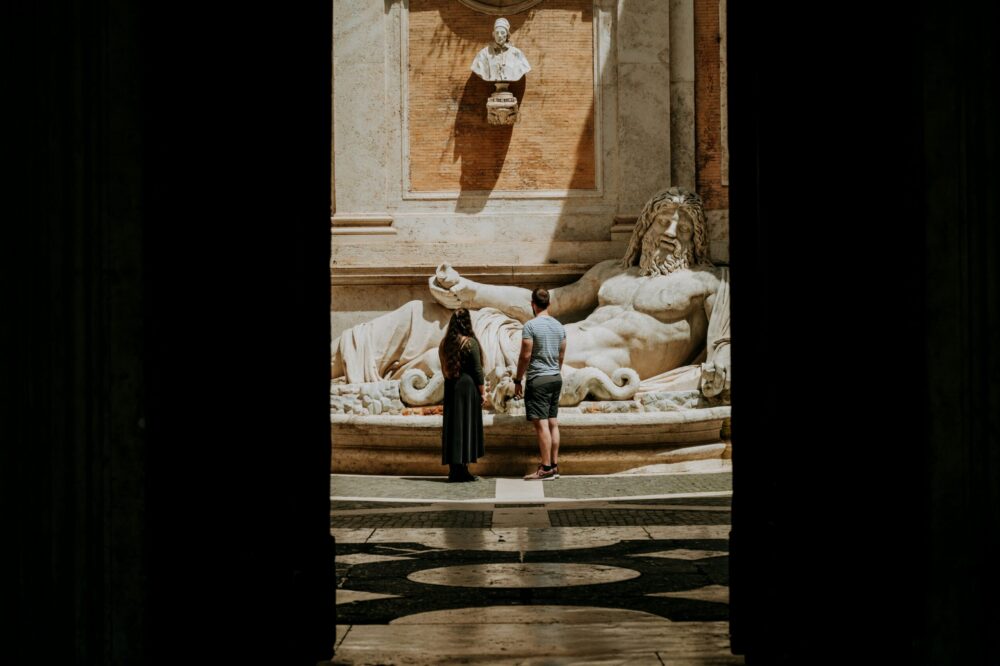
Photo by Virginia Marinova on Unsplash