Traveling solo to France in 2026 offers an incredible opportunity for independence, cultural immersion, and personal growth. As one of the world’s most visited destinations, France combines iconic landmarks, diverse regions, and rich history with modern amenities that cater to solo adventurers. However, ensuring your safety requires thoughtful preparation and awareness of both timeless principles and emerging trends. This guide provides comprehensive, up-to-date advice on how to travel safely in France as a solo traveler in 2026, covering everything from pre-trip planning to on-the-ground strategies for a secure and enriching experience.
Table des matières:
Pre-Trip Planning for Solo Safety in France 2026
Effective preparation is the foundation of a safe solo journey. Start planning several months ahead to address logistics, research destinations, and build confidence. For 2026, consider how travel norms and technology may evolve, while focusing on proven safety practices.
Research Destinations and Accommodations
France’s regions vary in atmosphere and safety profiles. Cities like Paris, Lyon, and Marseille are vibrant but require urban awareness, while rural areas like Provence or Normandy offer tranquility with different considerations. Use reputable travel forums, official tourism sites, and recent solo traveler reviews to gauge safety. For accommodations, prioritize well-reviewed options in central, well-lit areas. In 2026, look for hotels or hostels with enhanced security features, such as keyless entry or 24-hour reception, and consider boutique stays that cater specifically to solo travelers.
Essential Documents and Insurance
Ensure all travel documents are valid and accessible. For EU travelers, a national ID card suffices; others need a passport valid at least three months beyond their stay. Check visa requirements early, as regulations may update by 2026. Purchase comprehensive travel insurance covering medical emergencies, trip cancellations, and theft. Digitalize documents by storing copies in secure cloud storage and carrying physical backups separately from originals.
Health and Connectivity Preparations
Stay informed about any health advisories for France in 2026, including vaccination recommendations. Pack a basic first-aid kit and any personal medications. For connectivity, arrange an international SIM card or eSIM plan to ensure reliable mobile access. Download offline maps and translation apps to navigate confidently without constant internet reliance.
On-the-Ground Safety Strategies in France
Once in France, practical habits and situational awareness will enhance your security. Adapt these strategies to your itinerary and personal comfort level.
Navigating Transportation Safely
France’s extensive public transport network is generally safe, but vigilance is key. In 2026, expect continued digital integration, such as app-based ticketing and real-time updates. Follow these tips:
- Use official taxis or ride-sharing apps with verified drivers, especially at night.
- On trains, choose well-populated carriages and keep valuables secure.
- In metro systems, be mindful of pickpockets in crowded stations like those in Paris.
- For rural travel, pre-book rentals or regional trains to avoid isolation.
Accommodation and Personal Security
Your lodging should be a safe haven. Upon arrival, familiarize yourself with emergency exits and local emergency numbers (112 is the EU-wide emergency number). Use room safes for passports and excess cash, and avoid disclosing your solo status unnecessarily to strangers. In 2026, consider accommodations with biometric locks or neighborhood safety apps for added peace of mind.
Cultural Awareness and Social Interactions
Understanding local customs reduces misunderstandings and fosters positive interactions. Learn basic French phrases—politeness goes a long way. Dress modestly when visiting religious sites, and respect dining etiquette, such as greeting staff upon entering cafes. When socializing, meet new people in public places and trust your instincts if a situation feels uncomfortable. Solo travel communities and apps may offer verified meet-up opportunities by 2026, but always prioritize your safety.
Managing Risks and Emergencies
Despite precautions, being prepared for potential issues is crucial. Develop a proactive mindset to handle challenges calmly.
Avoiding Common Scams and Theft
Tourist areas can attract petty crime. Stay alert to distractions like petitions or street performances that might mask pickpocketing. Keep bags closed and in front of you in crowds, and use anti-theft accessories if preferred. Be skeptical of unsolicited help with ATMs or tickets, as scams may evolve with technology by 2026.
Health and Emergency Protocols
Know how to access medical care. France has excellent healthcare; EU citizens can use the European Health Insurance Card (EHIC) or its successor, while others should rely on insurance. In emergencies, call 112 or go to the nearest hospital (hôpital). Carry a card with essential phrases in French, such as “I need help” or “Where is the pharmacy?”
Staying Connected and Informed
Regularly check in with trusted contacts back home, sharing your itinerary and updates. Use apps or devices with location sharing for added security. Monitor local news and weather, as conditions in 2026 could include events like strikes or extreme weather that affect travel plans.
Enhancing Your Solo Travel Experience in France
Safety enables enjoyment, so balance caution with exploration. France’s diversity offers endless opportunities for solo travelers to create meaningful memories.
Recommended Solo-Friendly Activities
Engage in experiences that suit independent exploration. Consider:
- Guided walking tours in historic districts, which provide structure and social interaction.
- Visits to museums and galleries, where you can set your own pace.
- Day trips to nearby towns via regional trains for manageable adventures.
- Food markets and cooking classes to immerse in local culture safely.
Budgeting and Sustainable Travel
Plan finances to avoid stress. In 2026, anticipate potential cost changes due to inflation or tourism trends. Use budgeting apps and carry a mix of payment methods. Embrace sustainable practices, like supporting local businesses and using eco-friendly transport, which often align with safer, community-focused travel.
Leveraging Technology for Safety and Convenience
By 2026, technology will likely offer new tools for solo travelers. Explore apps for real-time safety alerts, language translation, or virtual guides. However, maintain a balance—stay present and avoid over-reliance on devices in unfamiliar settings.
Conclusion: Embracing Solo Travel in France with Confidence
Learning how to travel safely in France as a solo traveler in 2026 is about blending preparation, awareness, and adaptability. By researching thoroughly, practicing vigilant habits, and engaging respectfully with local culture, you can minimize risks and maximize the joys of solo exploration. France’s enduring appeal—from its bustling cities to serene countryside—provides a rewarding backdrop for independent adventure. As travel evolves, staying informed and trusting your instincts will remain key. With these strategies, you’re well-equipped to embark on a secure, unforgettable journey, discovering the beauty of France on your own terms.
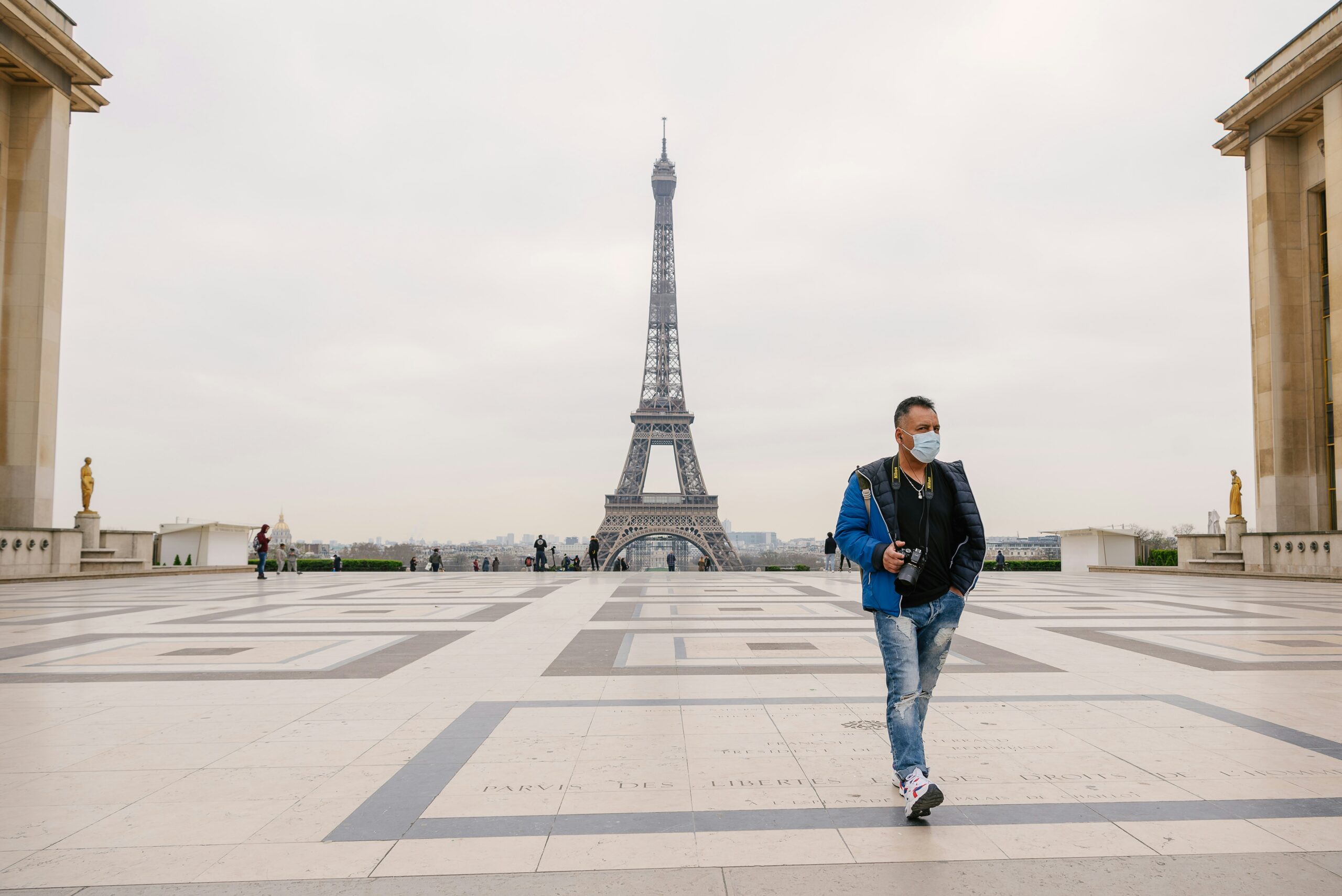
Photo by The Paris Photographer on Unsplash