Istanbul, a city that straddles two continents, offers a unique travel experience where you can hop between Europe and Asia in just minutes. Whether you’re a tourist exploring historic sites or a resident commuting daily, knowing how to travel between the European and Asian sides of Istanbul is essential for navigating this vibrant metropolis. This guide covers all the transportation options, from iconic ferries to modern tunnels, helping you cross the Bosphorus Strait with ease and efficiency. By understanding these routes, you can save time, avoid traffic, and enjoy the scenic views that make Istanbul one of the world’s most captivating cities.
Table des matières:
Understanding Istanbul’s Geography: Europe vs. Asia
Istanbul is uniquely divided by the Bosphorus Strait, with the European side to the west and the Asian side to the east. The European side is home to many historic landmarks, such as the Hagia Sophia and Topkapi Palace, while the Asian side offers a more residential and cultural vibe, with neighborhoods like Kadıköy and Üsküdar. Traveling between these two sides is a daily reality for millions, and it’s surprisingly straightforward thanks to Istanbul’s well-developed transport network. In this section, we’ll explore why crossing the Bosphorus is not just a commute but an integral part of the Istanbul experience.
Ferries: The Classic Way to Cross the Bosphorus
Ferries are one of the most popular and scenic methods to travel between the European and Asian sides of Istanbul. Operating since the 19th century, they provide a relaxing alternative to road traffic, with routes connecting key points like Eminönü, Karaköy, Beşiktaş, Kadıköy, and Üsküdar.
Major Ferry Routes and Terminals
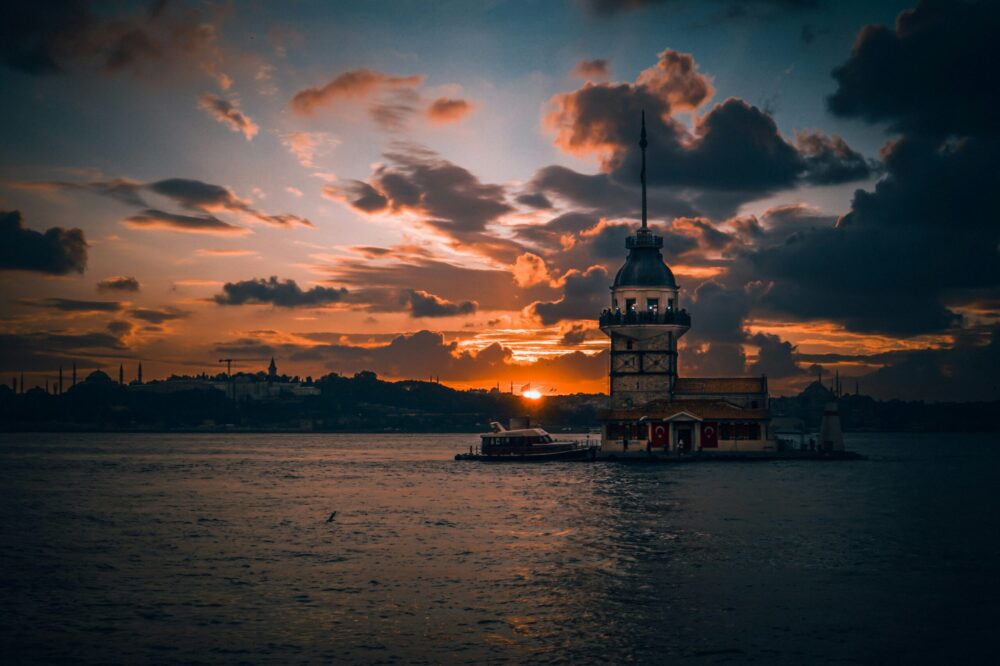
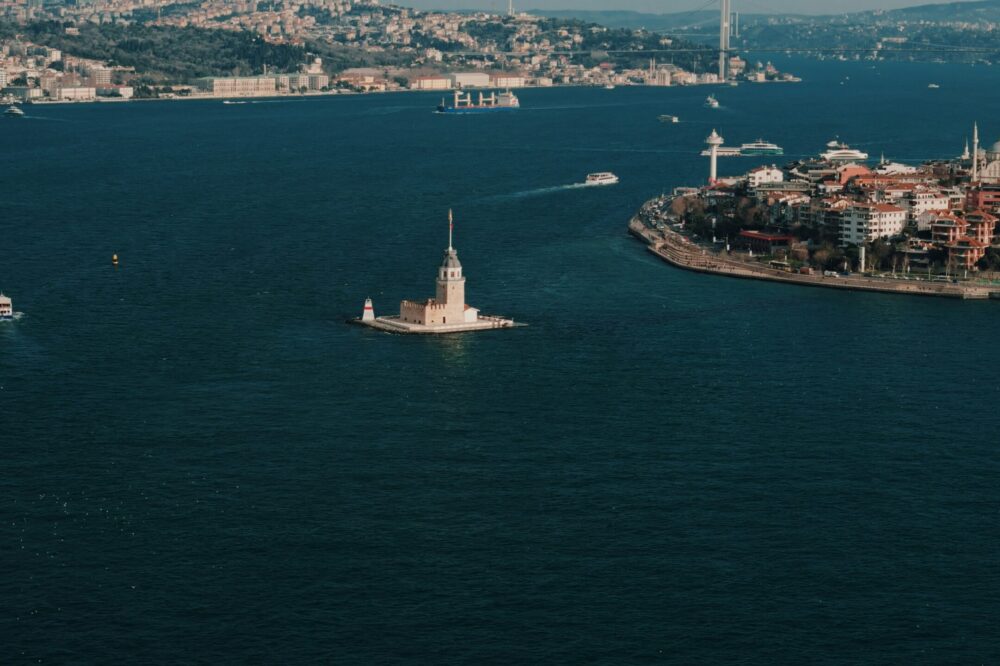
Istanbul’s ferry network is extensive, with several key terminals serving different parts of the city. On the European side, Eminönü and Karaköy are major hubs, while on the Asian side, Kadıköy and Üsküdar are primary destinations. Ferries run frequently, typically every 15-30 minutes during peak hours, and the journey takes about 20-30 minutes depending on the route. Using ferries is not only efficient but also offers stunning views of Istanbul’s skyline, including landmarks like the Maiden’s Tower and Bosphorus bridges.
- Eminönü to Kadıköy: A direct route popular with tourists and locals.
- Karaköy to Üsküdar: Connects the historic Galata area with Asian shores.
- Beşiktaş to Üsküdar: Ideal for those near the Dolmabahçe Palace.
- Kabataş to Kadıköy: A convenient option from the tram line terminus.
Tips for Using Ferries in Istanbul
To make the most of ferry travel, purchase an Istanbulkart, a rechargeable card that works on all public transport, including ferries. Fares are affordable, usually around 15-20 Turkish Lira per trip. Check schedules online or at terminals, as services may vary on weekends and holidays. Arrive early during rush hours to secure a good spot, especially if you want to enjoy the open-air decks. Remember, ferries can be crowded, but they’re a quintessential part of how to travel between the European and Asian sides of Istanbul, blending practicality with picturesque moments.
Bridges: Driving and Public Transport Across the Bosphorus
For those preferring land routes, Istanbul’s bridges provide vital connections between the European and Asian sides. The city has three major bridges: the 15 July Martyrs Bridge (formerly Bosphorus Bridge), Fatih Sultan Mehmet Bridge, and Yavuz Sultan Selim Bridge. Each serves different parts of the city and offers various transport options.
Overview of Bosphorus Bridges
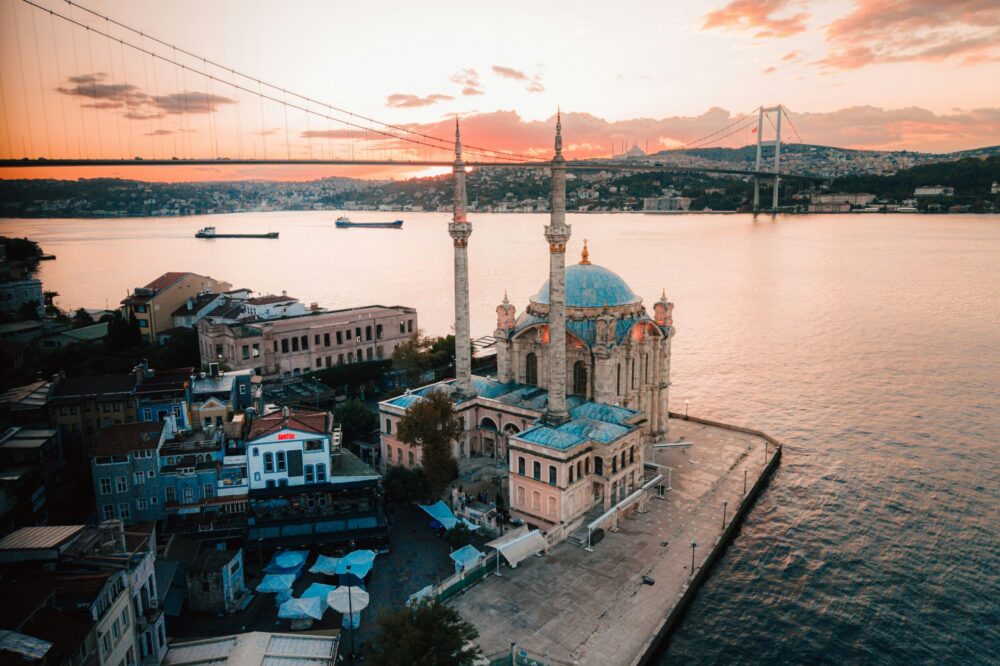
The 15 July Martyrs Bridge, opened in 1973, was the first to span the Bosphorus, linking Ortaköy on the European side with Beylerbeyi on the Asian side. It primarily carries vehicular traffic, including cars, buses, and motorcycles, but it’s closed to pedestrians. The Fatih Sultan Mehmet Bridge, completed in 1988, connects Hisarüstü in Europe with Kavacık in Asia, easing congestion on the older bridge. The newest, Yavuz Sultan Selim Bridge, opened in 2016, is part of the Northern Marmara Highway, serving as a key route for freight and long-distance travel. These bridges are integral to understanding how to travel between the European and Asian sides of Istanbul by road.
Using Buses and Metrobüs Across Bridges
Public buses and the Metrobüs system are efficient ways to cross the bridges without a car. The Metrobüs, a bus rapid transit line, runs on dedicated lanes, reducing travel time significantly. It connects areas like Avcılar on the European side with Söğütlüçeşme on the Asian side, passing over the 15 July Martyrs Bridge. Regular buses also operate across the bridges, with routes covering various neighborhoods. To use these services, an Istanbulkart is recommended for seamless transfers. During peak hours, expect delays due to traffic, but overall, buses offer a cost-effective solution for crossing the Bosphorus.
Tunnels: Underground and Underwater Options
In recent years, tunnels have become a modern addition to Istanbul’s transport infrastructure, providing alternative ways to travel between the European and Asian sides of Istanbul. The Marmaray railway tunnel and the Eurasia Tunnel for vehicles are key examples, offering faster and more reliable crossings, especially in bad weather.
Marmaray: The Railway Tunnel Under the Bosphorus
The Marmaray project, completed in 2013, is a submerged railway tunnel that runs under the Bosphorus Strait, connecting Kazlıçeşme on the European side with Ayrılıkçeşmesi on the Asian side. It’s part of Istanbul’s metro system, with trains running every few minutes during peak times. The journey takes about 4 minutes underwater, making it one of the quickest ways to cross. Stations like Yenikapı and Üsküdar are major interchanges, linking to other metro lines and ferries. For commuters and tourists alike, Marmaray is a game-changer, offering a seamless and efficient route that avoids surface traffic entirely.
Eurasia Tunnel: Road Vehicle Passage
The Eurasia Tunnel, opened in 2016, is a double-deck road tunnel that passes under the Bosphorus, connecting Kumkapı in Europe with Göztepe in Asia. It’s designed for cars and minibuses, with tolls applied based on vehicle type. The tunnel reduces travel time to about 15 minutes, bypassing bridge congestion. To use it, drivers need an HGS (Highway Toll System) tag. While it’s a paid service, it’s worth considering for time-sensitive trips. This tunnel complements the bridges, providing another option for how to travel between the European and Asian sides of Istanbul, especially during rush hours or inclement weather.
Public Transport Integration: Making Connections Seamless
Istanbul’s public transport system is highly integrated, making it easy to combine different modes when traveling between the European and Asian sides. The Istanbulkart is central to this, allowing transfers between ferries, buses, metro lines, trams, and funiculars without additional fees for the first transfer within a set time.
Key Transfer Points and Hubs
Major hubs like Yenikapı, Üsküdar, and Kadıköy serve as critical transfer points. For example, at Yenikapı, you can switch between Marmaray, metro lines, and buses. In Üsküdar, ferries connect with metro and bus services. Planning your route using apps like Moovit or Istanbul’s official transport website can help optimize your journey. This integration ensures that whether you start on the European or Asian side, you can reach your destination efficiently, highlighting the practicality of public transport in Istanbul.
- Use Istanbulkart for discounted fares and easy transfers.
- Check real-time schedules via mobile apps to avoid waits.
- Combine ferries with metro or buses for comprehensive coverage.
- Be mindful of peak hours (7-9 AM and 5-7 PM) for crowded services.
Practical Tips for Traveling Between Sides
To navigate Istanbul’s cross-continental travel smoothly, keep these tips in mind. First, always carry an Istanbulkart—it’s essential for all public transport and offers savings compared to single tickets. Second, plan your route in advance, considering factors like time of day and weather; for instance, ferries can be affected by rough seas, while tunnels are reliable year-round. Third, if driving, be aware of tolls on bridges and tunnels, and use HGS for convenience. Lastly, embrace the experience: traveling between the European and Asian sides of Istanbul is not just about getting from A to B, but about enjoying the city’s dynamic culture and stunning vistas along the way.
Conclusion
Traveling between the European and Asian sides of Istanbul is an integral part of experiencing this magnificent city. With options ranging from historic ferries and modern bridges to innovative tunnels, you can choose the method that best suits your needs, whether for speed, scenery, or convenience. By utilizing public transport like the Marmaray or ferries, and planning with tools like the Istanbulkart, you can navigate the Bosphorus with ease. Remember, each mode offers a unique perspective on Istanbul, blending efficiency with the charm of a city that bridges continents. Use this guide to master how to travel between the European and Asian sides of Istanbul, making your journeys both practical and memorable.
Photo by Spenser Sembrat on Unsplash