
Table des matières:
Why Toulouse Is a Key Destination for Romanesque Art
Toulouse, the capital of Occitanie, holds one of the richest collections of Romanesque art in Europe. As a major stop on the pilgrimage route to Santiago de Compostela, the city became a hub for sculptural and architectural innovation during the 11th and 12th centuries. Today, several museums and religious sites preserve this heritage, making it possible to see original capitals, frescoes, and liturgical objects up close. If you are wondering how to see the Romanesque art in Toulouse museums, this guide will lead you to the must-visit spots and help you plan an efficient itinerary.
The Musée des Augustins: The Romanesque Collection at Its Core
Why the Augustins Museum Is Essential
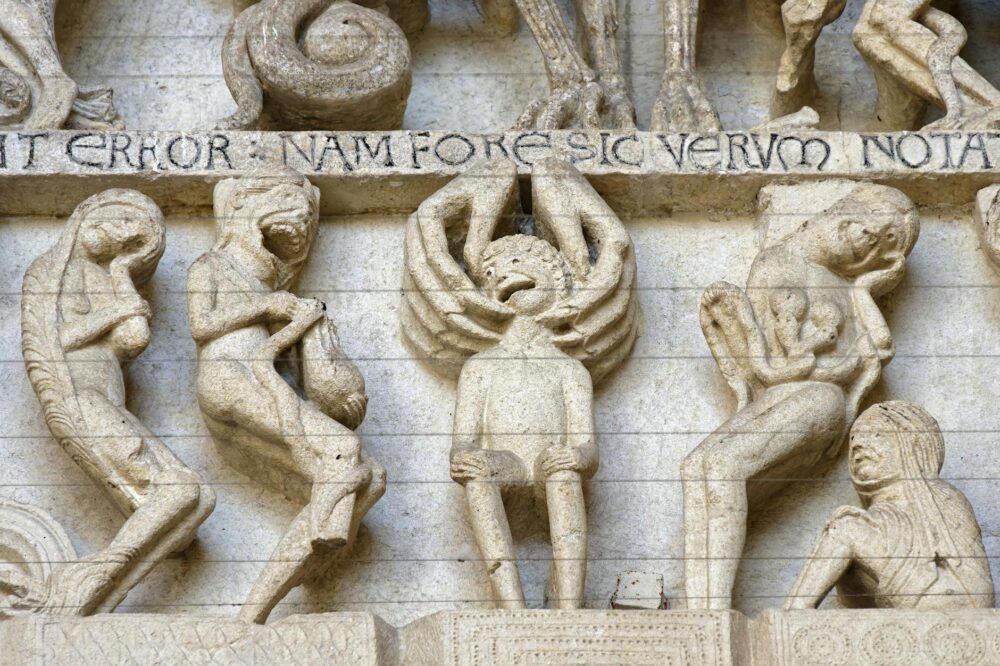
The Musée des Augustins, housed in a former Augustinian convent, is the primary museum for Romanesque sculpture in Toulouse. Its collection focuses on architectural fragments from local churches that were dismantled or renovated over the centuries. The museum’s Romanesque rooms display dozens of carved capitals, friezes, and statues that originally adorned cloisters and portals.
Key Romanesque Pieces You Should Not Miss
- Capitals from the Basilica of Saint-Sernin – These 11th-century capitals feature biblical scenes and intricate foliage, showcasing the mastery of the so-called “Toulouse school” of sculpture.
- The Cloister of the Augustins – Although the cloister is Gothic, the museum integrated Romanesque capitals into its garden, creating a unique open-air display.
- The marble altar frontal from the Abbey of Saint-Pons-de-Thomières – A rare example of Romanesque marble carving with Christ in Majesty.
- Fragments from the Porte Miègeville – The original tympanum and lintel from the south portal of Saint-Sernin, moved here for preservation.
Practical Tips for Visiting
The museum is located at 21 Rue de Metz, a short walk from the Capitole. Admission is free on the first Sunday of each month. Allow at least two hours for the Romanesque sections. Audio guides are available in English and highlight the historical context of each piece.
The Basilica of Saint-Sernin: A Living Romanesque Masterpiece
Architectural Highlights
While not a museum in the traditional sense, the Basilica of Saint-Sernin is an essential part of any Romanesque art tour. It is the largest remaining Romanesque church in Europe and a UNESCO World Heritage site. The interior preserves original 11th-century vaulting, a stunning apse with radiating chapels, and the famous marble altar consecrated by Pope Urban II in 1096.
What to Look For Inside
- The Porte Miègeville – The south portal features a tympanum with the Ascension of Christ, surrounded by exquisite capitals depicting the Flight into Egypt and the Massacre of the Innocents.
- The ambulatory capitals – Carved with scenes from the life of Christ and symbolic animals, these are among the finest examples of Romanesque narrative sculpture.
- The crypt – Houses relics of Saint Saturnin and other saints, with original 11th-century mosaics.
Visiting Information
The basilica is open daily, with free entry to the nave; the crypt and treasury require a small fee. Guided tours in English are available on weekends. Photography is allowed without flash.
Museum of the Augustins vs. Saint-Sernin: Which One First?
A common question among visitors is whether to start at the museum or the basilica. Here is a quick comparison to help you decide:
| Feature | Musée des Augustins | Basilica of Saint-Sernin |
|---|---|---|
| Type of art | Fragments, capitals, statues | In situ architecture, portals, crypt |
| Context | Museum setting with labels | Active church with original context |
| Best for | Close-up study of details | Experiencing scale and setting |
| Time needed | 1.5–2 hours | 45 minutes–1 hour |
If you have limited time, start at the basilica to see the art in its original environment, then head to the museum for deeper analysis of individual pieces.
Other Museums with Romanesque Art in Toulouse
Musée Saint-Raymond (Archaeology Museum)
Located right next to the basilica, the Musée Saint-Raymond focuses on ancient and early medieval art. Its Romanesque collection includes sarcophagi, marble fragments from early Christian churches, and a remarkable set of 12th-century capitals from the nearby church of La Daurade. The museum also displays a collection of Romanesque metalwork, including processional crosses and reliquaries.
Musée du Vieux Toulouse (Museum of Old Toulouse)
This small museum in the Hôtel Dumay houses a modest but interesting collection of Romanesque architectural fragments from demolished Toulouse buildings. It is less crowded and offers a glimpse into the city’s medieval urban fabric. Notable pieces include a 12th-century stone head and a capital from the former cloister of the Jacobins.
Couvent des Jacobins
While primarily a Gothic site, the Jacobins convent includes a Romanesque chapter house with carved capitals. The convent’s garden also displays several Romanesque stone fragments. Entry is free, and it is a peaceful spot to appreciate the transition from Romanesque to Gothic styles.
Planning Your Romanesque Art Itinerary in Toulouse
To see the Romanesque art in Toulouse museums efficiently, follow this suggested half-day itinerary:
- Morning: Basilica of Saint-Sernin (1 hour) – Focus on the Porte Miègeville and the ambulatory capitals.
- Late morning: Musée Saint-Raymond (45 minutes) – See the Romanesque sarcophagi and capitals.
- Afternoon: Musée des Augustins (2 hours) – Deep dive into the capitals and altar frontal.
- Optional: Couvent des Jacobins (30 minutes) – Romanesque chapter house.
If you have a full day, add the Musée du Vieux Toulouse and a walk through the medieval streets of the Saint-Sernin district.
Common Mistakes to Avoid When Searching for Romanesque Art
- Skipping the museum labels – The Augustins museum provides detailed explanations in French and English; reading them greatly enhances understanding.
- Focusing only on sculpture – Romanesque art also includes frescoes, mosaics, and metalwork. Look for the 12th-century fresco fragments in the Augustins’ collection.
- Ignoring the context – Many capitals were originally painted; imagine them in bright colors, not bare stone.
- Not checking opening hours – Some museums close on Mondays or during lunch hours; verify before you go.
The Role of the Pilgrimage Routes
Toulouse’s Romanesque art cannot be understood without the context of the Way of St. James. The city was a major crossroads for pilgrims heading to Santiago de Compostela. The wealth generated by this traffic funded the construction of large churches and the creation of high-quality sculpture. The Musée des Augustins displays several capitals that originally marked pilgrimage routes, such as those from the church of Saint-Sernin and the former abbey of Saint-Pierre-des-Cuisines. This connection explains why Toulouse’s Romanesque art is both abundant and internationally significant.
How to Photograph Romanesque Art Respectfully
Most museums allow non-flash photography for personal use. Here are a few tips:
- Use a fast lens or high ISO to avoid flash.
- Focus on details: the facial expressions on capitals, the folds of drapery, the patterns on friezes.
- Respect barriers and do not touch the stone.
- In the basilica, avoid using tripods or monopods during services.
Where to Learn More About Romanesque Art in Toulouse
If you want to deepen your knowledge before or after your visit, consider these resources:
- Books: “Romanesque Art in Toulouse” by Quitterie Cazes (available at museum shops).
- Online: The official website of the Musée des Augustins offers a virtual tour of the Romanesque rooms.
- Guided tours: The Toulouse Tourist Office runs themed tours focusing on Romanesque art, often in English.
Frequently Asked Questions
Is there a single museum dedicated entirely to Romanesque art in Toulouse?
No, but the Musée des Augustins has the most comprehensive Romanesque collection, while the Basilica of Saint-Sernin offers the best in-situ experience.
Can I see original Romanesque frescoes in Toulouse?
Yes, the Musée des Augustins holds fragments of 12th-century frescoes from the region, though they are not as extensive as those in Catalonia.
Are the Romanesque capitals in the Musée des Augustins originals?
Yes, all the capitals displayed are original. Some have been replaced by copies in their original locations for preservation.
Do I need to book tickets in advance for these museums?
For the Musée des Augustins and Musée Saint-Raymond, advance booking is recommended on weekends and during peak season to avoid queues.
How long does it take to see all the Romanesque art in Toulouse?
A focused visit covering the main sites takes about 4–5 hours. A full day allows for a more relaxed pace and additional museums.
Is Romanesque art in Toulouse suitable for children?
Yes, many museums offer activity sheets for children. The basilica’s dramatic architecture and carved monsters often captivate younger visitors.
Final Thoughts on Experiencing Romanesque Art in Toulouse
Seeing the Romanesque art in Toulouse museums is a rewarding journey into medieval craftsmanship and spirituality. The Musée des Augustins and the Basilica of Saint-Sernin are the undisputed highlights, but smaller museums and churches add depth to the story. By following this guide, you will not only locate the key pieces but also understand their historical context and artistic significance. Whether you are a dedicated art historian or a curious traveler, Toulouse offers an accessible and profound encounter with the Romanesque world.
Great guide! I’m planning a trip to Toulouse next spring. How much time should I budget for the Musée des Augustins if I want to focus only on the Romanesque collection?
Thank you! If you focus only on the Romanesque rooms and the cloister, allow at least two hours. The audio guide helps prioritize key pieces like the Saint-Sernin capitals and the altar frontal.
Is the Basilica of Saint-Sernin free to enter? And can you take photos inside?
Yes, entry to the basilica is free. Photography without flash is generally allowed, but check for any temporary restrictions during services.
I read that some Romanesque pieces are in the Musée des Augustins but originally from Saint-Sernin. Why were they moved?
Many architectural fragments were moved to the museum in the 19th century to protect them from weathering and pollution. For example, the Porte Miègeville tympanum was transferred to ensure its preservation.
Are there any other museums in Toulouse besides the Augustins that have Romanesque art?
Yes, the Musée Saint-Raymond (archaeology museum) holds some Romanesque sculpture and artifacts, and the Couvent des Jacobins has a few pieces. However, the Augustins remains the primary collection.
This is very helpful. Do you know if the audio guide at the Augustins is available in English?
Yes, the audio guide is available in English and provides excellent context for the Romanesque pieces. It’s well worth the small fee.
I’m traveling with kids. Are the Romanesque sections of the Augustins suitable for children?
The museum offers family-friendly activities and the cloister garden is great for kids. However, the Romanesque rooms are mostly sculpture displays, so engaging them with a treasure hunt for specific animals or scenes can help.
What about the crypt at Saint-Sernin? Is it open to the public?
Yes, the crypt is open during regular basilica hours. It houses relics and offers a glimpse of early Christian Toulouse. Entry is free.
Thanks for the tip about free admission on the first Sunday. Does that apply to all museums in Toulouse?
Yes, many municipal museums in Toulouse, including the Musée des Augustins and Musée Saint-Raymond, offer free entry on the first Sunday of each month. Always check individual websites for confirmation.