Planning a trip to the French region of Alsace in 2026 offers an exciting opportunity to explore one of Europe’s most picturesque and culturally rich destinations. Nestled between the Vosges Mountains and the Rhine River, Alsace captivates visitors with its charming half-timbered villages, world-renowned vineyards, and unique Franco-German heritage. Whether you’re dreaming of strolling through Strasbourg’s historic Grande Île, savoring local wines along the Route des Vins, or experiencing festive Christmas markets, careful preparation ensures a memorable journey. This comprehensive guide will walk you through every step of how to plan a trip to the French region of Alsace in 2026, from timing your visit to navigating local customs.
Table des matières:
Why Visit Alsace in 2026?
Alsace remains a timeless destination, but 2026 presents specific advantages for travelers. By planning ahead, you can secure accommodations in popular towns like Colmar or Riquewihr before they book up, especially during peak seasons. Additionally, 2026 may see continued recovery and enhancements in tourism infrastructure post-pandemic, with potential new cultural events or restored historical sites. The region’s blend of French and German influences creates a distinct identity reflected in its architecture, cuisine, and traditions. Understanding these elements will enrich your experience as you learn how to plan a trip to the French region of Alsace in 2026.
Best Time to Visit Alsace in 2026
Choosing the right season is crucial for your Alsace itinerary. Each period offers unique highlights, so consider your interests when scheduling.
Spring (April to June)
Spring brings mild weather and blooming flowers, ideal for outdoor activities like hiking in the Vosges or cycling through vineyards. Crowds are smaller compared to summer, making it a peaceful time to explore.
Summer (July to August)
Summer is peak tourist season, with warm temperatures perfect for terrace dining and river cruises. Expect festivals and lively atmospheres, but book accommodations early to avoid high prices and limited availability.
Autumn (September to October)
Autumn is harvest season, offering vibrant foliage and wine-related events. It’s an excellent time for food and wine enthusiasts, though weather can be unpredictable.
Winter (November to March)
Winter transforms Alsace into a festive wonderland, especially with its famous Christmas markets running from late November to December. If you plan a trip to the French region of Alsace in 2026 around the holidays, prepare for cold weather and magical decorations.
Top Destinations and Attractions in Alsace
Alsace boasts numerous must-see locations. Prioritize these based on your travel style and duration.
- Strasbourg: The capital, known for its Gothic cathedral and Petite France district, a UNESCO World Heritage site.
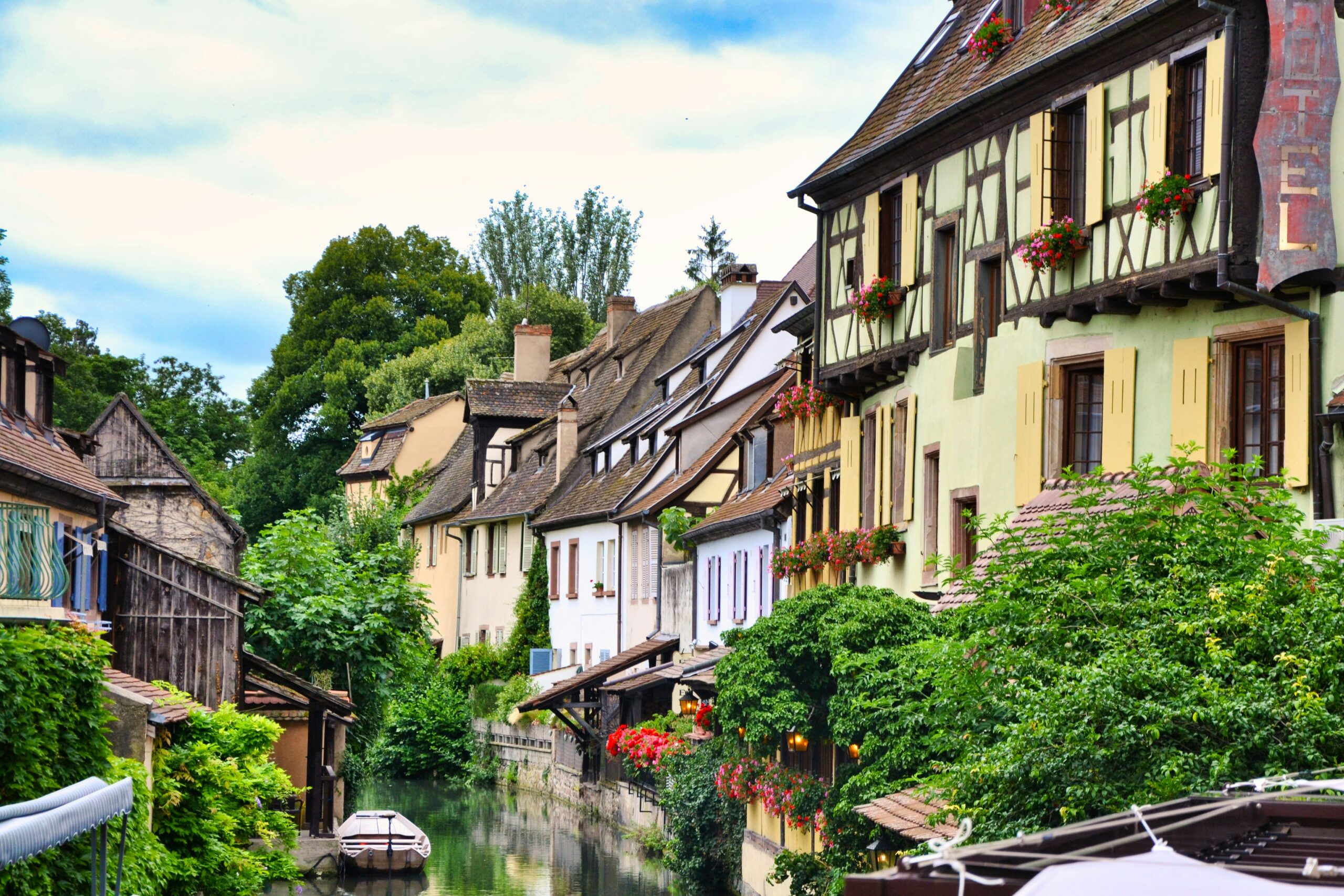
- Colmar: Often called “Little Venice” for its canals and well-preserved old town.
- Route des Vins (Wine Route): A scenic 170-kilometer drive through vineyards and villages like Riquewihr and Eguisheim.
- Haut-Koenigsbourg Castle: A restored medieval fortress offering panoramic views.
- Mulhouse: A hub for museums, including the Cité de l’Automobile.
How to Plan Your Alsace Itinerary for 2026
Creating a balanced itinerary ensures you experience Alsace’s diversity without feeling rushed. Tailor this sample based on your interests.
Sample 7-Day Itinerary
Day 1-2: Explore Strasbourg’s historical sites and European institutions. Day 3-4: Drive the Route des Vins, stopping in villages for wine tastings. Day 5: Visit Colmar and nearby towns like Kaysersberg. Day 6: Discover the Vosges Mountains or Haut-Koenigsbourg Castle. Day 7: Relax in a local spa or explore Mulhouse’s museums.
Tips for Efficient Planning
- Group destinations geographically to minimize travel time.
- Mix urban exploration with countryside relaxation.
- Allow flexibility for spontaneous discoveries.
Accommodation and Transportation Tips
Securing lodging and understanding transport options are key to a smooth trip. Start researching early for 2026 bookings.
Where to Stay
Alsace offers diverse accommodations, from boutique hotels in city centers to charming guesthouses in rural areas. Consider staying in smaller towns for a more authentic experience and lower costs. For those planning a trip to the French region of Alsace in 2026, booking several months in advance is advisable, especially for popular periods like Christmas or summer.
Getting Around
While trains connect major cities like Strasbourg and Colmar, renting a car provides flexibility for exploring the Wine Route and remote villages. Public buses serve some areas, but schedules may be limited. For eco-conscious travelers, cycling paths offer a scenic alternative.
Experiencing Alsatian Culture and Cuisine
Immersing yourself in local traditions enhances your journey. Alsace’s culture is a blend of French and German elements, evident in its festivals, language, and daily life.
Must-Try Foods and Drinks
- Choucroute: Sauerkraut with sausages and potatoes.
- Tarte Flambée: A thin-crust pizza-like dish with cream, onions, and bacon.
- Alsatian Wines: Riesling, Gewürztraminer, and Pinot Gris from local vineyards.
- Kougelhopf: A traditional yeast-based cake often enjoyed for breakfast.
Cultural Etiquette
Locals appreciate basic French greetings like “Bonjour” (hello) and “Merci” (thank you). While many speak English, especially in tourist areas, learning a few phrases shows respect. Tipping is customary but not excessive; round up the bill or leave 5-10% in restaurants.
Budgeting for Your 2026 Alsace Trip
Planning your finances ensures a stress-free vacation. Costs can vary based on travel style and season.
Estimated Daily Expenses
- Budget: €50-80 per person for hostels, street food, and public transport.
- Mid-range: €100-150 per person for hotels, restaurant meals, and car rental.
- Luxury: €200+ per person for upscale accommodations, fine dining, and private tours.
Money-Saving Strategies
Travel during shoulder seasons (spring or autumn) for lower prices. Use regional passes for museums or transport, and dine at lunchtime for cheaper fixed menus. When you plan a trip to the French region of Alsace in 2026, booking flights and trains early can also reduce costs.
Practical Travel Advice for Alsace in 2026
Stay informed about logistics to avoid common pitfalls. Check official sources closer to your travel date for updates.
Entry Requirements and Health
Ensure your passport is valid for at least six months beyond your stay. Depending on your nationality, you may need a visa for France. Consider travel insurance covering medical emergencies and trip cancellations. Stay updated on any health advisories or vaccination requirements.
Packing Essentials
Pack layers for variable weather, comfortable walking shoes for cobblestone streets, and a power adapter for European outlets. If visiting in winter, include warm clothing and waterproof gear.
Conclusion
Learning how to plan a trip to the French region of Alsace in 2026 allows you to create an unforgettable adventure tailored to your preferences. By considering factors like timing, destinations, and budget, you can immerse yourself in Alsace’s enchanting landscapes and rich heritage. Start your preparations early to secure the best options and stay flexible to embrace local surprises. Whether you’re drawn to its culinary delights, historical sites, or scenic beauty, Alsace promises a journey filled with discovery and charm. Use this guide as a foundation for crafting your perfect itinerary, and get ready to explore one of France’s most captivating regions in 2026.
Photo by Victor Bouton on Unsplash