

Table des matières:
Planning Your Journey from Lyon to the Vercors
The Vercors region, a stunning limestone plateau in the French Alps, offers dramatic cliffs, deep gorges, and vast forests. It’s a paradise for hikers, climbers, and nature lovers. But how do you get there from Lyon? This guide covers all practical options—by car, bus, train, or even bike—so you can choose the best route based on your budget, time, and travel style.
By Car: The Most Flexible Option
Driving is the most convenient way to reach the Vercors from Lyon, especially if you plan to explore multiple villages or hiking spots. The distance from Lyon to the main gateway towns like Villard-de-Lans or Autrans is about 100–120 km (62–75 miles), taking roughly 1.5 to 2 hours without traffic.
Main Routes
- Via A48 and D531: From Lyon, take the A48 toward Grenoble, then exit at Voreppe and follow the D531 (Route des Gorges du Furon) into the Vercors. This scenic route winds through cliffs and tunnels, arriving at Villard-de-Lans.
- Via A49 and D518: For the southern Vercors (e.g., Die or Col de Rousset), take the A49 toward Valence, then the D518 via Saint-Jean-en-Royans. This route is longer but avoids Grenoble traffic.
- Via D106 and D2 (Col de la Croix Perrin): A more adventurous mountain road from the east side, suitable for confident drivers. It offers breathtaking views but is narrow and winding.
Practical Tips for Drivers
- Check road conditions in winter: The Vercors passes (e.g., Col de la Croix Perrin) may be closed or require snow chains from November to April.
- Parking: Most trailheads have free parking, but popular spots fill early in summer. Arrive before 9 AM.
- Tolls: Expect to pay around €8–12 for the A48/A49 sections. You can avoid tolls by taking the N85 (Route Napoléon) but add 30–45 minutes.
By Bus: Budget-Friendly but Limited
Buses connect Lyon to the Vercors, but services are infrequent and mainly seasonal. The main operator is Auvergne-Rhône-Alpes Cars Région.
Bus Routes
- Line T64: Lyon Part-Dieu to Villard-de-Lans via Grenoble. Runs 3–4 times daily in summer, less in winter. Journey time: ~2h30. Cost: around €15–20.
- Line T65: Lyon to Autrans (for ski resorts) via Grenoble. Limited service, mainly winter weekends. Check the regional transport website for updates.
- FlixBus: No direct service to Vercors; you can take a FlixBus to Grenoble then connect to a local bus.
Tips for Bus Travel
- Book tickets online or at the station. Some lines require reservations.
- Be prepared for luggage restrictions: usually one large suitcase and a backpack.
- Buses may not reach remote villages; you might need a taxi or ride-share for the last leg.
By Train + Local Transport: A Scenic Alternative
Trains don’t go directly into the Vercors, but combining a high-speed TGV with a regional bus or taxi is a viable option, especially if you’re coming from Lyon’s airports.
Step-by-Step Train + Bus/Taxi
- Lyon to Grenoble: Take a TGV or TER from Lyon Part-Dieu to Grenoble (1h–1h15, ~€15–30). Trains run frequently.
- Grenoble to Vercors: From Grenoble’s bus station (next to the train station), take Cars Région line T64 or T65 to Villard-de-Lans, Autrans, or Lans-en-Vercors. Journey time: 1h–1h30, cost: €8–12.
- Alternative: For southern Vercors, take a train from Lyon to Valence TGV (1h), then a bus or taxi to Die or the Gorges de la Bourne.
Pros and Cons
| Pros | Cons |
|---|---|
| Fast and comfortable for the main leg | Requires coordination with bus schedules |
| No traffic stress | Limited service on weekends/holidays |
| Good for solo travelers or small groups | May not reach remote accommodations |
By Bike: For Adventurous Cyclists
Cycling from Lyon to the Vercors is a challenging but rewarding multi-day trip. The distance is around 120–150 km, with significant elevation gain (over 1,500 m).
Suggested Bike Route
- Day 1: Lyon to Grenoble via the ViaRhona cycle path (flat, 110 km). Stay overnight in Grenoble.
- Day 2: Grenoble to Villard-de-Lans via the D531 (30 km, 800 m climb). This is the toughest part, with steep gradients.
- Alternative: For a less steep option, take the train from Lyon to Grenoble with your bike, then cycle from Grenoble into the Vercors.
Practical Tips for Cyclists
- Check train bike policies: TER trains allow bikes for free; TGV requires a reservation (€10).
- Carry plenty of water and snacks; services are sparse on mountain roads.
- Use a GPS or map; some roads are not well-marked for cyclists.
What to Do in the Vercors: Quick Overview
Once you arrive, the Vercors offers endless activities. Here’s a quick checklist of must-sees:
- Hiking: The Cirque de la Combe Laval, Gorges de la Bourne, and Mont Aiguille are iconic trails.
- Caving: Explore the Gouffre Berger or the Grotte de Choranche.
- Winter sports: Ski at Villard-de-Lans, Autrans, or Méaudre.
- Cultural sites: Visit the Plateau des Glières or the Resistance Museum in Vassieux-en-Vercors.
Common Mistakes to Avoid
- Underestimating driving time: Mountain roads are slow; add 30% more time than Google Maps suggests.
- Not checking bus schedules: Many lines run only a few times a day; plan around them.
- Forgetting altitude: The Vercors plateau is at 1,000–1,500 m; temperatures are cooler than in Lyon. Pack layers.
- Assuming direct train access: No train goes into the Vercors; always plan a bus or taxi connection.
Frequently Asked Questions
How long does it take to get from Lyon to the Vercors by car?
Driving takes about 1.5 to 2 hours without traffic, depending on your exact destination. Add time for mountain roads and traffic near Grenoble.
Is there a direct bus from Lyon to Vercors?
Yes, there are direct buses from Lyon to Villard-de-Lans and Autrans, but services are limited (3–4 times daily) and often seasonal. Check Cars Région Auvergne-Rhône-Alpes for the latest schedules.
Can I take a train from Lyon to the Vercors?
No train goes directly into the Vercors. You can take a train to Grenoble or Valence, then connect by bus, taxi, or ride-share. The train + bus combination takes about 2.5–3 hours total.
What is the cheapest way to get from Lyon to the Vercors?
The cheapest option is the bus (around €15–20 one way). If you have a group, driving may be cheaper per person due to fuel and tolls.
Do I need a car to explore the Vercors?
Not necessarily. Many villages are connected by local buses, but for remote trailheads and flexibility, a car is recommended. Hikers can use shuttle services in summer.
When is the best time to visit the Vercors?
Summer (June–September) is ideal for hiking and outdoor activities. Winter (December–March) is for skiing and snowshoeing. Spring and autumn offer fewer crowds but variable weather.
Final Recommendations for a Smooth Trip
To make your journey from Lyon to the Vercors hassle-free:
- Book your transport in advance, especially for buses and trains on weekends.
- Check weather and road conditions before departure, especially in winter.
- If driving, download offline maps as cell service can be spotty in the mountains.
- Consider staying overnight in a Vercors village to fully experience the region.
Whichever way you choose, the Vercors rewards you with spectacular landscapes and fresh mountain air. Safe travels!
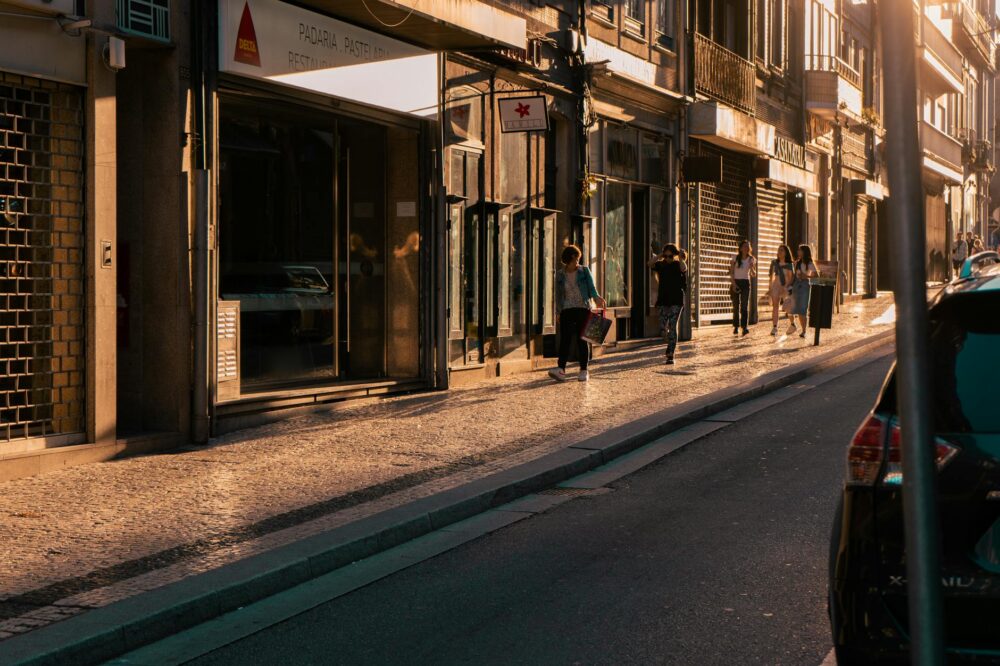
Photo by El gringo photo on Pexels

Is there any direct train from Lyon to Vercors?
No, there is no direct train into the Vercors. The best option is to take a TGV or TER from Lyon Part-Dieu to Grenoble (about 1 hour), then catch a regional bus (like Line T64) to Villard-de-Lans or Autrans. Some travelers also rent a car in Grenoble for more flexibility.
Thanks for the detailed bus info. Do the T64 buses run daily in summer? And can I bring a bike?
In summer, Line T64 generally runs 3–4 times daily on weekdays and weekends, but schedules can change. Bikes are usually allowed if there’s space, but you may need to reserve a bike slot. Check the Auvergne-Rhône-Alpes Cars Région website for exact rules and current timetables.
I’m considering biking from Lyon to Vercors. Any tips on the best route for cyclists?
Biking is an adventurous option! The most popular route is via the ViaRhôna cycle path to Valence, then heading east on quieter roads toward Saint-Jean-en-Royans. Alternatively, take the D531 from Voreppe, but be prepared for steep climbs. Always carry repair kits and check weather forecasts, as mountain conditions can change quickly.
Great article! I’m planning a trip in late October. Will the D531 route still be open then, or should I expect closures?
Thank you! In late October, the D531 (Route des Gorges du Furon) is typically open, but higher passes like Col de la Croix Perrin may already require snow chains or be closed if early snow hits. Always check road conditions on the Bison Futé or local prefecture websites before you go.