
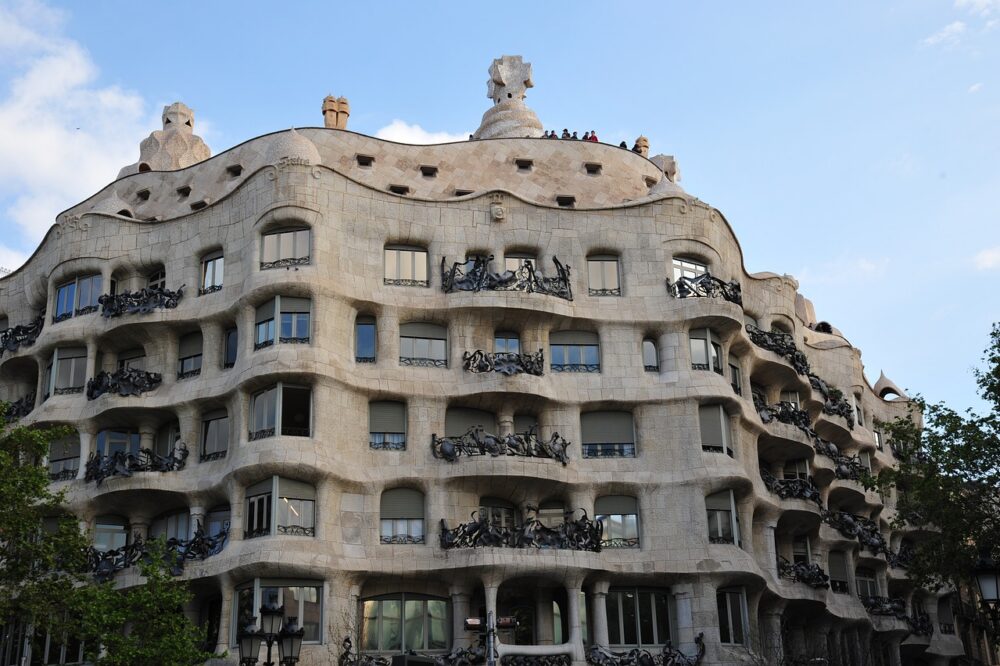
Spring in Barcelona is magical—mild temperatures, blooming parks, and a vibrant energy that fills the streets. But navigating a bustling city like Barcelona can be tricky if you don’t know your options. Whether you’re a first-time visitor or a seasoned traveler, knowing how to get around Barcelona in spring will save you time, money, and frustration. This guide covers every practical mode of transport, from the efficient metro to scenic bike rides, plus insider tips to avoid spring crowds.
Table des matières:
Why Spring Transport in Barcelona Requires a Strategy
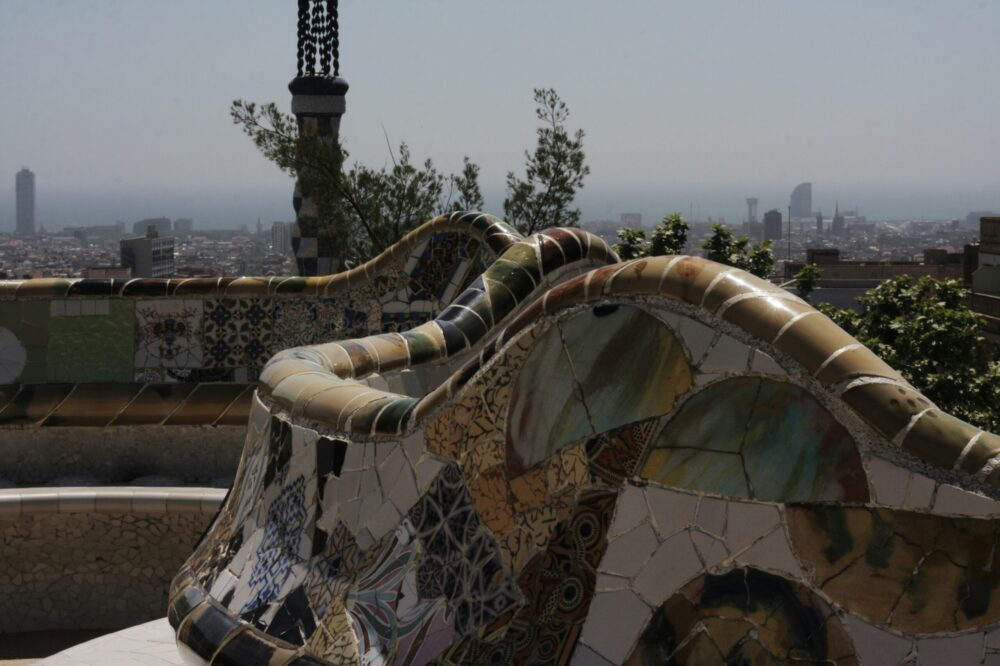
Spring in Barcelona runs from March to May, with pleasant weather averaging 15–22°C (59–72°F). This is peak tourist season, meaning popular attractions like Park Güell, La Sagrada Família, and the Gothic Quarter draw huge crowds. Public transport can get packed, especially during Easter week and local festivals. Planning your routes and choosing the right transport for each situation is essential.
Getting Around Barcelona in Spring: Top Transport Options
1. Barcelona Metro: Fast, Frequent, and Easy
The metro is the backbone of Barcelona’s public transport. With 8 lines and over 160 stations, it connects most tourist areas and neighborhoods. Trains run from 5:00 AM to midnight on weekdays, with extended hours on Fridays and Saturdays until 2:00 AM. In spring, the metro is air-conditioned—a relief on warmer afternoons.
Tips for spring metro travel:
- Buy a T-Casual card (10 rides for around €11.35) or a T-Familiar card (8 rides for €10.70, shareable).
- Avoid rush hour (8:00–9:30 AM and 5:00–7:00 PM) if possible; metro cars get crowded.
- Use the L3 (green) line for attractions like Drassanes (for Las Ramblas) and Passeig de Gràcia (for Gaudí sites).
- Download the TMB app for real-time schedules and route planning.
2. Biking: Eco-Friendly and Scenic
Spring weather is ideal for cycling. Barcelona has over 200 km of bike lanes, and bike-sharing services like Bicing (for residents) and commercial rentals are widely available. You can rent a bike for around €10–€20 per day. Popular bike routes include the coastal path from Barceloneta to W Hotel and the route through Ciutadella Park.
Spring cycling checklist:
- Wear layers; mornings can be cool, afternoons warm.
- Always lock your bike securely—theft is common.
- Use bike lanes; avoid riding on sidewalks (fines apply).
- Consider a guided bike tour to cover more ground with local insights.
3. Walking: The Best Way to Explore Neighborhoods
Barcelona is a walker’s paradise. Spring temperatures make strolling through the Gothic Quarter, El Born, and Gràcia delightful. Most major attractions are within walking distance of each other if you stay central. For example, from Plaça de Catalunya you can walk to Las Ramblas (5 min), Gothic Quarter (10 min), and El Born (15 min).
Walking tips for spring:
- Wear comfortable shoes—cobblestones are charming but tough on feet.
- Carry a water bottle; stay hydrated as the sun gets stronger.
- Use a map app like Google Maps or Citymapper for pedestrian routes.
- Take breaks in plazas like Plaça Reial or Plaça del Sol.
4. Barcelona Bus: Cheap and Extensive
Buses complement the metro, especially for routes not covered by rail. They run 24/7 on some lines (Nit Bus night services). In spring, buses can be slower due to traffic, but they offer scenic views of the city. The T-Casual card works on buses too.
When to choose the bus over metro:
- Going to Montjuïc (bus 150) or Tibidabo (T2A).
- Traveling between neighborhoods like Gràcia and Barceloneta.
- Late-night outings when metro is closed.
5. Tram: Quiet and Efficient for Outer Areas
Barcelona’s tram system (T1, T2, T3) serves the outskirts, including the Diagonal area and the Forum. It’s less used by tourists but useful for reaching Camp Nou or the Barcelona Airport via Trambaix. Trams are modern, quiet, and accessible.
6. Taxis and Ride-Sharing: Convenient but Costly
Taxis are plentiful in Barcelona. Fares start at around €3.50 and increase per kilometer. In spring, expect longer waits during peak hours and near tourist spots. Ride-sharing apps like Uber and Cabify operate but are slightly more expensive than taxis.
Taxi tips:
- Look for black-and-yellow cars with a green light on the roof.
- Use official taxi ranks at train stations and main squares.
- Ask for a receipt if you need one.
- Avoid taxis that refuse to use the meter—report them.
7. Barcelona Airport Transfers: Getting to and from the City
El Prat Airport is 12 km from the city center. Options include:
| Transport | Time | Cost | Best For |
|---|---|---|---|
| Aerobús (shuttle) | 35 min | €5.90 one-way | Budget travelers, direct to Plaça Catalunya |
| Metro L9 Sud | 30 min | €5.15 (T-Casual valid) | Travelers staying near metro stations |
| Train R2 Nord | 25 min | €4.60 | Connecting to Sants or Passeig de Gràcia |
| Taxi | 20-30 min | €30-€40 | Groups or heavy luggage |
Spring-Specific Transport Tips
Festivals and Events Impacting Transport
Spring in Barcelona includes Sant Jordi (April 23), where Las Ramblas fills with book and rose stalls. Metro and bus services may be rerouted. During Easter, processions cause street closures in the Gothic Quarter. Check local news for updates.
Weather and What to Wear on Public Transport
Spring weather can be unpredictable—sunny one moment, drizzly the next. Carry a light jacket or umbrella. Metro and buses are air-conditioned, so you might need a layer if you’re sweaty from walking.
Packing Light for Easy Transit
Barcelona’s metro and buses have limited space for luggage. If you’re moving between accommodations, consider using a luggage storage service or shipping bags ahead. Alternatively, use taxis for transfers with suitcases.
Mistakes to Avoid When Getting Around Barcelona in Spring
- Not buying a multi-ride card: Single tickets cost €2.40 each; a T-Casual saves you money if you ride more than 5 times.
- Overlooking the T-Familiar card: If traveling with family or friends, this card allows multiple people to share rides.
- Relying solely on taxis: They’re expensive and stuck in traffic. Use metro or walking for short distances.
- Ignoring bike lane rules: Fines for cycling on sidewalks are €200. Stick to designated lanes.
- Not validating your ticket: You must tap your card at the start of each journey. Failure can result in a fine of €100+.
Frequently Asked Questions
Is Barcelona easy to get around without a car?
Absolutely. Barcelona’s public transport network is extensive and reliable. Most tourists never need a car. Walking, metro, and buses cover almost everything.
What is the cheapest way to get around Barcelona in spring?
Walking is free, but for longer distances, the T-Casual card (10 rides) is the most cost-effective. It works on metro, bus, tram, and some trains.
How do I get from Barcelona Airport to the city center in spring?
The Aerobús is the most convenient and affordable direct service to Plaça Catalunya. Alternatively, take the metro L9 Sud or train R2 Nord.
Is the Barcelona metro safe at night in spring?
Yes, the metro is generally safe until closing. However, be aware of pickpockets, especially on crowded trains. Stick to well-lit stations and avoid empty carriages.
Can I use Uber in Barcelona?
Uber operates in Barcelona but is limited to UberX and Uber Comfort. It’s often slightly more expensive than taxis. Availability is good in central areas.
What should I do if I get lost in Barcelona?
Use a maps app on your phone. Look for metro station signs (red with a diamond). Ask locals—most speak some English and are helpful. Download offline maps beforehand.
Final Thoughts on Navigating Barcelona in Spring
Getting around Barcelona in spring is straightforward once you know your options. The metro is your best friend for speed, walking lets you soak in the atmosphere, and biking offers a fun, active way to explore. With a little planning and the right transport card, you’ll breeze through the city like a local. Enjoy the spring sunshine, the blooming parks, and the vibrant street life—Barcelona awaits.


Is the T-Casual card valid for multiple people or just one person?
The T-Casual card is for one person only, giving 10 rides. If traveling with others, each person needs their own card. For a shareable option, consider the T-Familiar card (8 rides) which can be used by multiple people.
I’m worried about bike theft. Any tips on securing a rental bike?
Always use a sturdy lock provided by the rental shop, and lock the frame and both wheels to a fixed object. Avoid leaving bikes unattended overnight. Many rentals offer insurance against theft for a small fee.
How crowded does the metro get during Easter week?
Easter week is one of the busiest times in Barcelona. The metro can be very crowded, especially near major attractions and during peak hours. Try to travel outside rush hours (8-9:30 AM and 5-7 PM) and consider walking for short distances.
Great article! For a first-time visitor, would you recommend a multi-day pass or individual tickets?
For most visitors, the T-Casual card (10 rides) is the best value if you plan to use public transport a few times a day. If you’ll be riding frequently (more than 4-5 trips daily), a T-Usual monthly pass might be cheaper. For short stays, individual tickets are less economical.
Is the metro wheelchair accessible?
Many metro stations have elevators and ramps, but not all. The TMB website lists accessible stations. Lines L1, L2, L3, L4, L5, and L9/L10 have good accessibility. Always check ahead, as some older stations may have limited access.
What’s the best way to get from the airport to the city center in spring?
The Aerobus is the most convenient: it runs every 5-10 minutes, takes about 35 minutes to Plaça de Catalunya, and costs around €6. The metro (L9 Sud) is cheaper but slower and requires a transfer. Taxis are about €30-40 but can get stuck in spring traffic.