Table des matières:
Understanding the Residence Permit Process in Florence
If you’re planning to stay in Florence for more than 90 days, you need a residence permit (permesso di soggiorno). This guide explains exactly how to get a residence permit in Florence, from the initial visa application to collecting your permit card. Whether you’re a student, worker, or family member, the process follows Italian immigration law but has local specifics in Florence.
Who Needs a Residence Permit in Florence?
Non-EU citizens who intend to stay in Italy longer than 90 days must obtain a residence permit. This applies to:
- Students enrolled in Florence universities (University of Florence, Polimoda, etc.)
- Workers with a job contract in Florence
- Self-employed individuals starting a business
- Family members of an Italian or EU citizen residing in Florence
- Religious or humanitarian reasons
Important: EU citizens do not need a residence permit but must register with the local registry office (Anagrafe) if staying over 3 months.
Step 1: Obtain the Correct Visa Before Arrival
You cannot apply for a residence permit in Florence without first having a valid visa from an Italian embassy or consulate in your home country. The visa type must match your purpose of stay:
- Study visa (tipo D): For university courses, master’s, PhD, or language courses longer than 90 days.
- Work visa: For subordinate employment or self-employment.
- Family visa: For family reunification.
- Elective residence visa: For financially independent individuals.
Practical note: Start your visa application at least 3 months before your planned departure. Consulates often require appointment booking online.
Step 2: Submit the Residence Permit Kit (Permesso di Soggiorno)
Within 8 working days of arriving in Florence, you must submit a residence permit application kit (kit per il permesso di soggiorno). Here’s how:
- Go to a designated post office (Ufficio Postale) that handles immigration procedures. In Florence, the main ones are on Via Pellicceria (near Piazza della Repubblica) and Via Luigi Alamanni.
- Purchase the kit (€16.00 stamp duty + postal fee). Current postal fee is around €30.
- Fill out the application form (Modello 1 or Modello 2 for multiple applicants).
- Include photocopies of: passport (all pages with stamps and visa), visa page, passport photo (35x45mm, white background), and any supporting documents (enrollment letter, work contract, etc.).
- Pay the permit fee via postal order: from €40 to €130 depending on permit duration.
After submission, you receive a receipt (ricevuta) that acts as a temporary permit until you get the appointment.
Step 3: Attend the Appointment at the Immigration Office (Questura)
The post office will schedule an appointment at the Questura (police headquarters) in Florence, located at Via Zara 2. Wait times vary from 30 to 60 days. You must bring:
- The receipt from the post office.
- Original passport and photocopies.
- Four passport photos.
- Proof of accommodation in Florence (rental contract, hotel booking, or hospitality declaration).
- Proof of financial means (bank statements, scholarship letter, employment contract).
- For students: enrollment certificate and proof of health insurance.
- For workers: work contract and proof of tax code (codice fiscale).
At the appointment, you will be fingerprinted and photographed. The officer will verify your documents and may ask questions about your stay.
Step 4: Wait for Permit Approval and Collection
After the appointment, you wait for the permit to be issued. This can take 2 to 6 months. You can track your application online using the receipt number on the Portale Immigrazione website. Once approved, you receive an SMS or email to collect the permit from the Questura. Bring your receipt and passport.
What to Do While Waiting
- Your receipt allows you to stay legally in Italy and even travel within the Schengen area for up to 90 days.
- You can enroll in courses, start working (if your visa allows), and access healthcare after registering with the national health service (SSN).
- If you need to travel outside Schengen, you may need a re-entry visa from the Questura.
Common Mistakes to Avoid in Florence
| Mistake | Consequence | Solution |
|---|---|---|
| Submitting the kit after 8 days | Application rejected; risk of deportation | Always apply within 8 working days of arrival |
| Using incorrect passport photos | Appointment delayed or rejected | Get photos at a photo booth or store that follows Italian specs (35x45mm, white background) |
| Missing the Questura appointment | Must reschedule, causing months of delay | Set reminders; if you miss, go to the Questura’s immigration office as soon as possible |
| Not having proof of address | Permit cannot be issued | Register your residence at the Anagrafe or get a hospitality declaration from your landlord |
| Insufficient financial means | Permit denied | Ensure you meet the minimum income requirements (about €6,000/year for students, higher for others) |
Renewing Your Residence Permit in Florence

Permits must be renewed before they expire. You can apply for renewal up to 60 days before expiry and up to 60 days after. The process is similar to the first application:
- Use the same post office kit (mark ‘rinnovo’ on the form).
- Attach copies of your current permit, passport, and updated supporting documents.
- Pay the renewal fee.
- Attend a new Questura appointment if required.
Tip: Start renewal early to avoid gaps in legality.
Practical Checklist for Getting a Residence Permit in Florence
- ☐ Obtain the correct visa from the Italian consulate in your country.
- ☐ Enter Italy and arrive in Florence within the visa validity.
- ☐ Within 8 working days: go to a post office, buy the kit, fill it out, and submit it.
- ☐ Keep the receipt safe – it’s your temporary permit.
- ☐ Prepare all documents for Questura appointment: passport, photos, proof of accommodation, financial means, and specific documents for your permit type.
- ☐ Attend the appointment at Questura on time.
- ☐ Track your application online.
- ☐ Collect your permit card when notified.
Frequently Asked Questions
How long does it take to get a residence permit in Florence?
The entire process from kit submission to permit collection typically takes 3 to 6 months. The waiting time depends on the Questura workload and your specific case.
Can I work with a student residence permit in Florence?
Yes, student permit holders can work up to 20 hours per week during the academic year and full-time during holidays. However, you must notify the Questura if you start working.
What if I lose my receipt?
You can request a duplicate at the Questura where you applied. You’ll need to show your passport and pay a small fee. It’s best to keep a photocopy or digital scan.
Do I need health insurance for a residence permit?
Yes, you must have health insurance covering your entire stay. Students can purchase private insurance or register with the Italian National Health Service (SSN) for a fee of about €150 per year.
Can I travel outside Italy while waiting for my permit?
You can travel within the Schengen area for up to 90 days with your receipt. For travel outside Schengen, you may need a re-entry visa from the Questura, which can take time to obtain.
What should I do if my application is rejected?
You can appeal the decision within 60 days to the Civil Court of Florence. It’s advisable to consult an immigration lawyer (avvocato per l’immigrazione) who specializes in Italian law.
Next Steps After Obtaining Your Permit
Once you have your residence permit in Florence, you can fully enjoy life in this historic city. Remember to:
- Register with the local health authority (ASL) for healthcare access.
- Open a bank account – many banks accept the permit as ID.
- Get a tax code (codice fiscale) if you haven’t already – it’s essential for contracts, phone plans, and more.
- If you plan to stay long-term, consider applying for a long-term EU residence permit after 5 years of continuous legal stay.
Florence offers a vibrant community for international residents. With your residence permit in hand, you can focus on your studies, work, or simply exploring the Renaissance treasures. Good luck!
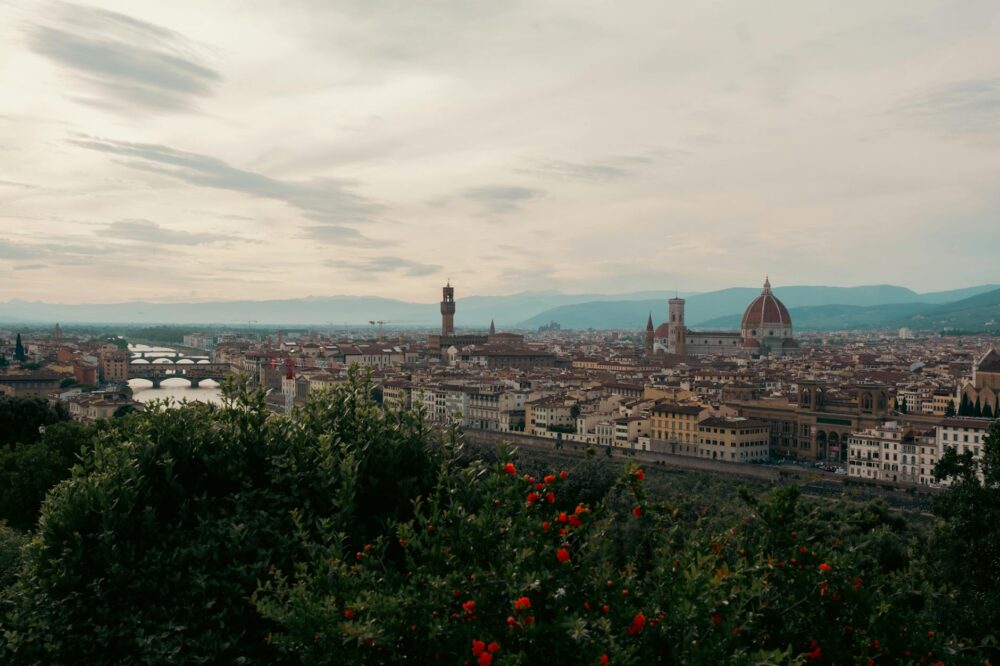
Photo by Raffaella Troiano on Pexels