France, renowned for its culinary traditions centered around cheese, charcuterie, and buttery pastries, might seem like a challenging destination for vegans and vegetarians. However, the landscape is rapidly evolving. By 2026, finding plant-based options across France will be more accessible than ever, thanks to growing awareness, technological advancements, and shifting consumer preferences. This guide provides a comprehensive roadmap on how to find vegan and vegetarian food in France in 2026, ensuring you can savor the country’s flavors without compromise.
Table des matières:
The Evolving Plant-Based Scene in France
France’s food culture is undergoing a significant transformation. While traditional cuisine remains cherished, a surge in health consciousness, environmental concerns, and ethical eating is driving demand for plant-based alternatives. Major cities like Paris, Lyon, and Bordeaux have seen a boom in dedicated vegan restaurants, and even smaller towns are increasingly accommodating. By 2026, this trend is expected to solidify, with plant-based options becoming a standard feature in many dining establishments. Understanding this shift is key to navigating how to find vegan and vegetarian food in France in 2026 effectively.
Essential Tools and Apps for 2026
Technology will be your greatest ally. Several apps and online resources are set to become indispensable by 2026.
Dedicated Restaurant Finder Apps
Apps like HappyCow, which already lists thousands of vegan, vegetarian, and veg-friendly spots globally, will continue to be updated with real-time information. Expect enhanced features such as AI-powered recommendations based on your location and preferences, user-generated photos and reviews, and integration with reservation platforms. These tools simplify the process of how to find vegan and vegetarian food in France in 2026, turning a potential challenge into a seamless experience.
Translation and Menu Scanning Apps
Even in 2026, language barriers may exist in rural areas. Apps with advanced offline translation and camera-based menu scanning will be crucial. They can instantly translate ingredients and highlight potential animal products like lait (milk), oeuf (egg), or beurre (butter), helping you make informed choices.
- HappyCow: The go-to database for plant-based eateries.
- Google Translate: Use the camera feature for instant menu translation.
- Local food blogs and influencers: Follow French vegan bloggers for up-to-date discoveries.
Navigating Different Types of Dining
Your approach will vary depending on where you eat.
Restaurants and Bistros
In 2026, many traditional French restaurants will likely offer at least one clearly marked vegetarian or vegan plat du jour (dish of the day). Don’t hesitate to ask: “Avez-vous des options végétariennes ou véganes?” (Do you have vegetarian or vegan options?). In dedicated vegan restaurants, which will be more prevalent, you can explore creative interpretations of French classics.
Supermarkets and Grocery Stores
French supermarkets like Carrefour, Monoprix, and Bio c’ Bon (organic chain) are rapidly expanding their plant-based ranges. By 2026, look for well-labeled sections for:
- Plant-based meats and cheeses
- Dairy-free yogurts and desserts
- Ready-made vegan meals
- Fresh produce from local markets
Bakeries (Boulangeries) and Patisseries
This can be tricky due to ubiquitous butter and eggs. However, some artisanal boulangeries now offer vegan viennoiseries. By 2026, asking for “pain tradition” (traditional bread, typically just flour, water, yeast, salt) or fruit-based pastries will remain a safe bet. Specialty vegan patisseries are also emerging in urban centers.
Key Phrases and Cultural Tips
Knowing a few phrases shows respect and gets better results.
- “Je suis végétarien(ne)/végan(e).” (I am vegetarian/vegan.)
- “Est-ce que ce plat contient de la viande, du poisson, des produits laitiers ou des œufs?” (Does this dish contain meat, fish, dairy, or eggs?)
- “Sans viande, sans poisson, sans lait, sans œufs, s’il vous plaît.” (Without meat, fish, milk, eggs, please.)
Politeness is paramount in French culture. A friendly “Bonjour” and “S’il vous plaît” go a long way. Be clear but patient when explaining dietary needs.
Regional Specialties and Adaptations
Part of the joy of travel is tasting local flavors. While classic dishes like coq au vin are off-limits, many regions offer inherently plant-based components. In Provence, ratatouille is a delicious vegetable stew. Salade Niçoise can be ordered without tuna or eggs. By 2026, chefs may offer more innovative vegan takes on regional specialties, so inquire about seasonal creations.
Planning Your Trip for 2026
Advance preparation will enhance your experience.
Research Destinations
Larger cities and towns with universities tend to have more options. However, even rural areas in 2026 will have supermarkets with basic plant-based staples. Research accommodations with kitchenettes to prepare simple meals.
Communicate with Accommodations
When booking hotels or B&Bs, email ahead to inquire about breakfast options. Many are now accustomed to providing soya or almond milk and fruit.
Explore Local Markets
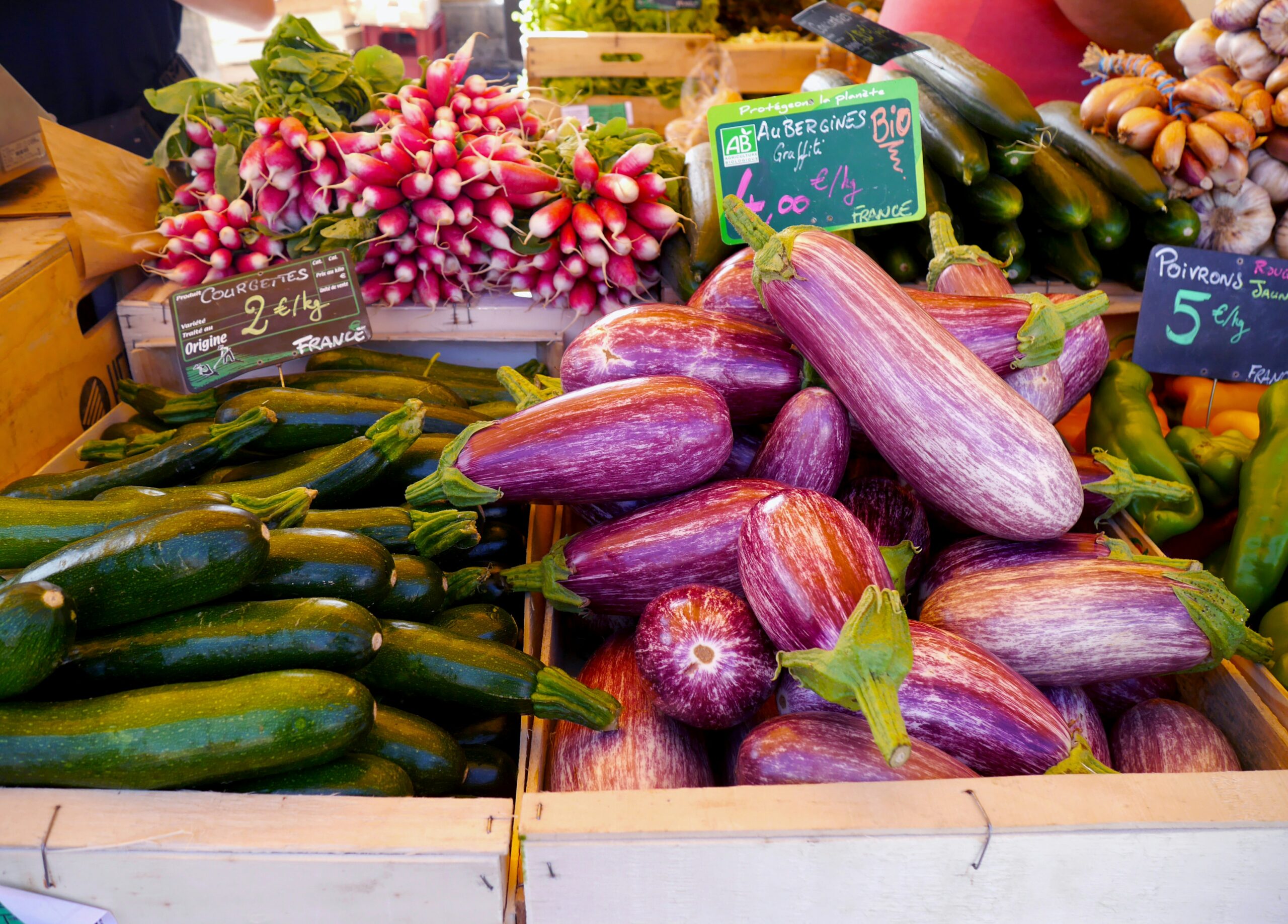
France’s outdoor markets are treasure troves of fresh, local produce. They are perfect for assembling picnics or buying ingredients if you have cooking facilities.
Conclusion
Finding vegan and vegetarian food in France in 2026 will be a journey of discovery, not difficulty. The combination of a growing plant-based market, powerful digital tools, and a willingness to communicate will open up a world of culinary possibilities. From chic vegan bistros in Paris to simple market-fresh meals in the countryside, France’s evolving food scene welcomes plant-based travelers. By using this guide on how to find vegan and vegetarian food in France in 2026, you can confidently explore one of the world’s great food cultures while staying true to your dietary choices. Bon appétit!
Photo by catrina farrell on Unsplash