
Table des matières:
Introduction
Rome is known for its ancient ruins, world-class art, and delicious cuisine, but one of its most enchanting features is its fountains. From the majestic Trevi Fountain to the countless public drinking fountains known as nasoni, water is an integral part of the Roman experience. The best part? You can enjoy most of them completely free. In 2026, with a few smart tips, you can explore Rome’s fountains without spending a cent. This guide will show you how to enjoy Rome’s fountains for free in 2026, covering the must-see landmarks, hidden gems, and practical advice for sipping and snapping your way through the Eternal City.
Why Rome’s Fountains Are a Must-See
Rome has over 2,000 fountains, ranging from monumental Baroque masterpieces to simple stone basins. They are not only beautiful but also historically significant. Many fountains were built to showcase the city’s aqueducts, which have supplied water for millennia. In 2026, these fountains remain free to view and, in many cases, free to drink from. Understanding their history adds depth to your visit, making the experience more rewarding.
The Iconic Trevi Fountain
The Trevi Fountain is the most famous fountain in Rome, if not the world. Completed in 1762, it depicts Oceanus, god of water, riding a chariot pulled by sea horses. The tradition of tossing a coin over your left shoulder ensures your return to Rome. But you can also enjoy the fountain without spending a euro. Simply stand and admire its grandeur, listen to the water, and take photos. In 2026, the fountain may have limited access due to restoration, but you can still view it from the surrounding area. To avoid crowds, visit early morning or late evening.
Other Must-See Fountains
- Fontana dei Quattro Fiumi (Fountain of the Four Rivers) in Piazza Navona – a masterpiece by Bernini representing four major rivers.
- Fontana della Barcaccia (Fountain of the Old Boat) at the Spanish Steps – a unique boat-shaped fountain.
- Fontana del Tritone in Piazza Barberini – another Bernini gem.
- Fontana delle Tartarughe (Turtle Fountain) in Piazza Mattei – a charming fountain with turtles.
All of these are free to visit and offer incredible photo opportunities.
How to Drink for Free: The Nasoni
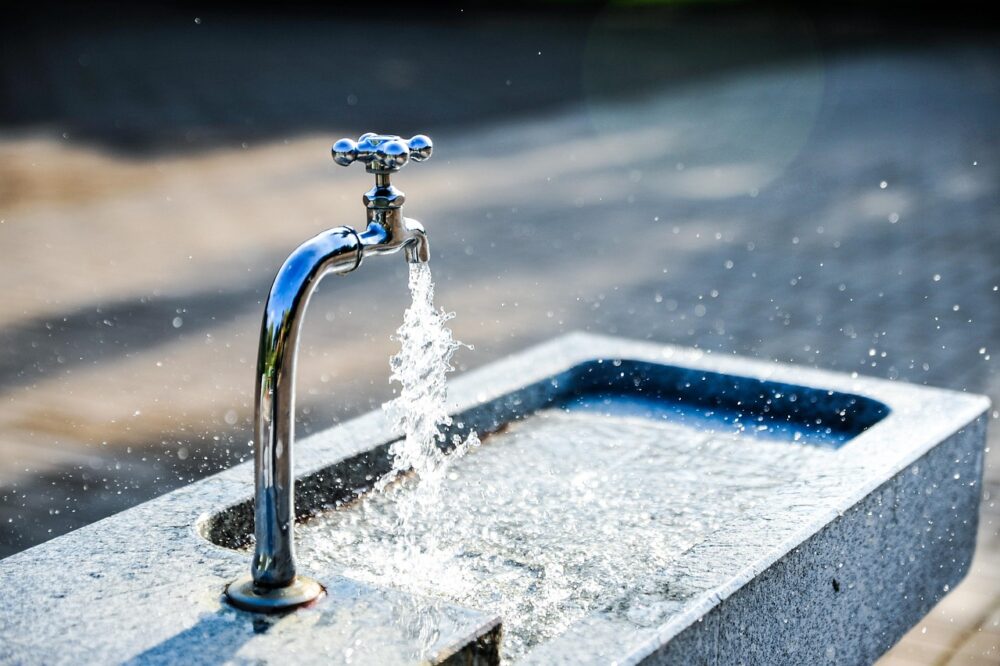
One of the best ways to enjoy Rome’s fountains for free in 2026 is by using the nasoni (“big noses”). These are public drinking fountains found throughout the city, providing fresh, cold water 24/7. The water comes from ancient aqueducts and is perfectly safe to drink. To use a nasone, simply plug the bottom hole with your finger, and water will spurt out from a small hole on top, allowing you to drink easily. You can also fill your water bottle for free. In 2026, there are over 2,500 nasoni in Rome, so you’re never far from free hydration.
Tips for Using Nasoni
- Carry a reusable water bottle to refill throughout the day.
- Look for the characteristic curved spout on street corners.
- Use the finger trick to create a drinking fountain.
- Remember that the water is cold and refreshing, even in summer.
Hidden Fountains Off the Beaten Path
Beyond the famous landmarks, Rome is full of lesser-known fountains that offer a peaceful escape from crowds. These are perfect for those who want to enjoy Rome’s fountains for free in 2026 without the tourist hustle.
Fontana dell’Acqua Paola
Located on the Janiculum Hill, this monumental fountain offers stunning views of the city. It’s less crowded than Trevi and has a beautiful basin where you can relax.
Fontana del Mascherone
In Via Giulia, this small fountain features a theatrical mask. It’s a quiet spot to rest and enjoy the water.
Fontana di Piazza Santa Maria in Trastevere
In the heart of Trastevere, this fountain is a gathering place for locals. It’s especially lovely at night when the square is lit.
Free Fountain Tours and Self-Guided Walks
You don’t need a paid tour to see Rome’s fountains. Many free walking tours include fountains, but you can also create your own itinerary. In 2026, several apps and websites offer free self-guided tours. Start at Piazza del Popolo, walk to the Spanish Steps, then to Trevi, and continue to Piazza Navona. This route covers major fountains and takes about two hours. Alternatively, explore Trastevere for a more local experience.
Best Times to Visit Fountains for Free
- Early morning (7-9 AM): Fewer crowds, soft light for photos.
- Late evening (9-11 PM): Fountains are illuminated, creating a magical atmosphere.
- Weekdays: Less busy than weekends.
- Off-season (November-February): Fewer tourists overall.
Eco-Friendly Fountain Enjoyment in 2026
Rome is increasingly focused on sustainability. In 2026, you can enjoy fountains while minimizing your environmental impact. Use reusable bottles, avoid littering, and respect the fountains by not swimming or washing in them. Many fountains have signs reminding visitors to treat them with care. By being a responsible traveler, you help preserve these treasures for future generations.
Supporting Free Access
Rome’s fountains are maintained by the city and often funded by tourism. While you can enjoy them for free, consider supporting local businesses nearby. Buy a gelato or coffee from a café near a fountain, and you’ll contribute to the local economy without paying an entrance fee.
Conclusion
Rome’s fountains are a gift to the public, offering beauty, history, and refreshment at no cost. In 2026, you can enjoy Rome’s fountains for free by visiting iconic sites, using nasoni for water, exploring hidden gems, and taking self-guided walks. Remember to respect the fountains and the environment, and you’ll have an unforgettable experience in the Eternal City without breaking the bank. So grab your reusable bottle, put on comfortable shoes, and get ready to discover the watery wonders of Rome.

Are the nasoni safe to drink from in 2026? I’ve heard mixed things about tap water in Rome.
Yes, the nasoni are perfectly safe to drink from. The water comes from ancient aqueducts and is regularly tested. It’s cold and refreshing – just use the finger trick to drink easily.
What’s the best time to see the Trevi Fountain without crowds? I want to avoid the restoration barriers too.
Go early morning around 7-8 AM or late evening after 10 PM. In 2026, restoration may limit access, but you can still view it from nearby areas. Weekdays are quieter than weekends.
I’m planning a self-guided walk. Can you recommend a good route that covers the main fountains?
Start at Piazza del Popolo, walk to the Spanish Steps (Fontana della Barcaccia), then to Trevi, and end at Piazza Navona (Fontana dei Quattro Fiumi). This takes about 2 hours and includes free self-guided tour options via apps.
Are there any hidden fountains that are less crowded but still beautiful?
Absolutely. Fontana dell’Acqua Paola on Janiculum Hill offers great views and fewer crowds. Also check out Fontana del Mascherone in Via Giulia and the fountain in Piazza Santa Maria in Trastevere – lovely at night.
Do I need to bring my own bottle for the nasoni, or can I use cups?
Bring a reusable water bottle – it’s more convenient and eco-friendly. The nasoni have a strong stream, so you can fill any bottle easily. Avoid single-use plastic; many cafes also offer free refills.
Is the coin toss at Trevi really free? I thought you had to throw a coin.
The coin toss is free – you just need a coin! Tradition says toss one coin over your left shoulder to ensure return to Rome. But you can enjoy the fountain without spending anything by simply admiring it.
Are there any free guided tours that focus on fountains?
Several free walking tours include fountains, but they often cover other sights too. For a fountain-focused tour, use free self-guided itineraries from apps or websites. The route from Piazza del Popolo to Piazza Navona is a great start.