

Finding a place to live is one of the most important steps when moving to Montpellier as an international student. With its sunny climate, vibrant student life, and prestigious universities, Montpellier attracts thousands of students each year. Understanding the housing options available will help you make an informed decision and avoid common pitfalls. This guide covers everything from university residences to private rentals, shared apartments, and homestays, with practical advice on costs, locations, and the application process.
Table des matières:
Why Montpellier Is a Popular Destination for International Students
Montpellier is home to several renowned institutions, including the University of Montpellier, Montpellier Business School, and Paul Valéry University. The city boasts a Mediterranean climate, a historic center, and a large student population. However, the demand for housing is high, especially near the campuses. Knowing your housing options for international students in Montpellier early can save you time, stress, and money.
Types of Student Accommodation in Montpellier
There are several types of accommodation available, each with its own advantages and challenges. The main categories include university residences (CROUS), private student residences, shared apartments (colocation), private studios, and homestays. Let’s explore each in detail.
1. CROUS University Residences
CROUS (Centre Régional des Œuvres Universitaires et Scolaires) manages affordable student housing across France. In Montpellier, CROUS offers studios and shared apartments at subsidized rates. These residences are often located near campuses and include basic amenities. However, demand far exceeds supply, so early application is crucial. International students can apply through the CROUS website or via their home university if there is an exchange agreement.
Cost: Between €200 and €450 per month, depending on the type of room and location.
Pros: Low cost, close to universities, social environment.
Cons: Very competitive, limited availability, often small rooms.
2. Private Student Residences
Private residences, such as Studéa, Les Estudines, or Néméa, offer fully furnished studios and apartments with amenities like gyms, laundry rooms, and study areas. They are more expensive than CROUS but easier to secure. Many accept international students and offer flexible leases.
Cost: €450 to €700 per month for a studio.
Pros: Modern facilities, all-inclusive bills, no need for a French guarantor if you pay a deposit or use a service like Garantme.
Cons: Higher rent, sometimes located further from the city center.
3. Shared Apartments (Colocation)
Colocation is extremely popular among students in Montpellier. You rent a room in a shared apartment and split utilities and internet with flatmates. Websites like Appartager, La Carte des Colocs, and Leboncoin list thousands of options. This is a great way to meet people, practice French, and save money.
Cost: €300 to €500 per month for a room, plus utilities (€50–€100).
Pros: Affordable, social, flexible.
Cons: Potential conflicts with flatmates, need to visit in person or have someone check the place.
4. Private Studio or Apartment
Renting your own studio gives you independence and privacy. You can find studios through agencies or platforms like SeLoger, PAP, or Leboncoin. Be prepared to provide a French guarantor or pay a deposit of one to two months’ rent. International students can use services like Visale (free guarantee from the French government) or private guarantor services.
Cost: €450 to €800 per month for a studio in the city center; less in outer neighborhoods.
Pros: Privacy, full control over your space.
Cons: Requires a guarantor, higher cost, bills not included.
5. Homestay (Chez l’habitant)
Living with a French family gives you a unique cultural experience and helps you improve your language skills. Homestays often include meals and a private room. Organizations like France Homestay or local associations can help you find a family.
Cost: €500 to €800 per month, often including meals.
Pros: Cultural immersion, language practice, meals provided.
Cons: Less independence, strict house rules.
How to Find Housing: Step-by-Step Checklist
To simplify your search, follow this practical checklist:
- Start early: Begin your search at least 2–3 months before your arrival.
- Set a budget: Include rent, utilities (€50–€100), and a deposit (usually one month’s rent).
- Choose a location: Consider proximity to your university, transport links, and safety. Popular student neighborhoods include Beaux-Arts, Les Arceaux, and near the University of Montpellier campus.
- Check required documents: You will need a passport, student visa, proof of enrollment, and sometimes a guarantor. If you don’t have a French guarantor, look for landlords who accept Visale or other guarantee schemes.
- Search on multiple platforms: Use CROUS, Leboncoin, Appartager, and Facebook groups like “Colocation Montpellier Étudiants.”
- Arrange visits: If possible, visit apartments in person. If not, ask for a video tour and read reviews.
- Sign a lease: Understand the lease terms (usually 1 year, but you can give 1 month notice after the initial period).
- Set up utilities: Electricity, water, internet – often you need to contact providers like EDF, Engie, or Free.
Cost of Living and Housing Budget
Montpellier is more affordable than Paris but still requires careful budgeting. Here’s an approximate monthly breakdown:
| Expense | Estimated Cost (EUR) |
|---|---|
| Rent (CROUS) | 200–450 |
| Rent (private studio) | 450–800 |
| Utilities (electricity, water, internet) | 50–100 |
| Food | 200–300 |
| Transport (student pass) | 10–30 |
| Health insurance | 0–30 |
| Miscellaneous | 100–200 |
| Total | 600–1,500 |
Note that you may be eligible for housing assistance (APL) from the French government (CAF). This can reduce your rent by €50–€150 per month. Apply as soon as you have a lease.
Best Neighborhoods for International Students
Montpellier has several districts popular among students. Here’s a quick overview:
- Beaux-Arts / Écusson: The historic center, vibrant, close to shops and nightlife. Rent is higher but you’re in the heart of the city.
- Les Arceaux: Near the tram lines and the University of Montpellier, with a lively market and many affordable apartments.
- Près d’Arènes: Close to the train station and faculties, good transport links.
- Port Marianne: Modern area, quieter, with newer buildings and green spaces.
- Antigone: Near the city center, with wide boulevards and many services.
Mistakes to Avoid When Renting
International students often make these errors. Steer clear of them:
- Not having a guarantor ready: Many landlords require a French guarantor. Use Visale or a paid service to avoid losing a good apartment.
- Renting without seeing the place: Scams exist. Never send money before signing a contract. Use secure platforms.
- Ignoring the lease terms: Check the notice period, charges, and whether utilities are included.
- Forgetting to apply for CAF: This can save you hundreds of euros per year. Apply online at caf.fr.
- Choosing a location too far from campus: Montpellier’s tram network is efficient, but consider travel time and cost.
How to Secure Housing Before Arrival
Many international students worry about finding housing before they land. Here are actionable tips:
- Apply for CROUS early: The application opens in January for the next academic year. Non-EU students can apply via their university or Campus France.
- Book temporary accommodation: Reserve a hostel, Airbnb, or student hotel for the first two weeks while you search.
- Use a guarantor service: If you lack a French guarantor, services like Garantme or SmartGarant can act as one for a fee.
- Join Facebook groups: Search for “Logement Montpellier étudiant” – many landlords and students post listings.
- Contact your university’s housing office: Some universities have partnerships with residences or offer advice.
Pro tip: If you are an exchange student, check if your home university has a partnership with CROUS or a private residence. Sometimes they reserve rooms for international students.
Frequently Asked Questions
What is the cheapest housing option for international students in Montpellier?
The cheapest option is usually a CROUS residence, with rents starting around €200 per month. However, availability is limited. Shared apartments (colocation) are the next most affordable, typically €300–€500.
Do I need a French guarantor to rent in Montpellier?
Many private landlords require a French guarantor. However, you can use the government-backed Visale guarantee (free for students under 30) or private guarantor services like Garantme. CROUS residences do not require a guarantor.
Can I get housing assistance (APL) as an international student?
Yes, if you have a valid lease and meet income criteria, you can apply for APL from CAF. The amount depends on your rent and income. Apply online at caf.fr after signing your lease.
How do I find a shared apartment (colocation) in Montpellier?
Use websites like Appartager, La Carte des Colocs, or Leboncoin. Filter by “colocation” and contact owners or current tenants. Be clear about your budget and preferences. It’s best to visit in person or request a video tour.
Is it safe to rent without seeing the apartment?
It is risky. Scams are common. If you cannot visit, ask for a live video call, check the landlord’s identity, and never wire money before signing a contract. Use secure payment methods and consider using a trusted agency.
What documents are needed to rent an apartment in Montpellier?
Typically: passport, visa, proof of enrollment, proof of income or scholarship, and a guarantor. Some landlords also ask for a bank statement or a deposit. For CROUS, you need your student ID and acceptance letter.
Practical Advice for a Smooth Move-In
Once you’ve found your accommodation, take these steps:
- Inspect the property: Note any damages and take photos. Report them to the landlord to avoid disputes when you move out.
- Sign the lease: Read it carefully. Ensure it includes the rent, charges, duration, and notice period.
- Set up utilities: Contact electricity, gas, and internet providers. Some residences include these in the rent.
- Apply for CAF: Submit your application as soon as you have your lease number.
- Get insurance: Tenant liability insurance (assurance habitation) is mandatory in France. It’s cheap (around €10–€20/month) and covers damages.
- Register your address: Update your address with your university, bank, and health insurance.
By following this guide, you’ll navigate the housing market in Montpellier with confidence. Remember to start early, use the right resources, and don’t hesitate to ask for help from your university’s international office. Bon courage!
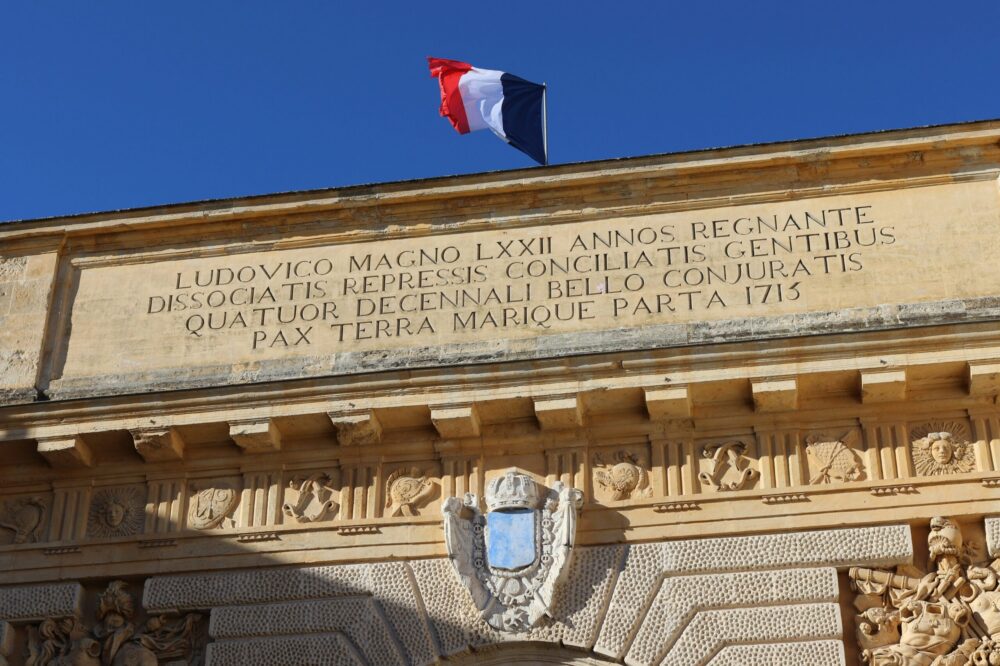
Photo by TBD Traveller on Pexels



The CROUS residences seem really affordable, but how early should I apply to have a realistic chance?
For CROUS, you should apply as soon as the application window opens, typically in January or February for the following academic year. International students often have a separate deadline, so check your university’s exchange office or the CROUS website for exact dates. Even with early application, competition is high, so have backup options ready.