
Table des matières:
Finding Student Housing in Nice: Your Options Explained
Nice, on the French Riviera, attracts thousands of students each year. With its sunny climate, top universities, and vibrant culture, it’s a dream destination—but finding affordable housing can be challenging. This guide covers every housing option for students in Nice, from CROUS residences to private rentals, and gives you actionable tips to secure a place.
1. University Residences (CROUS)
The CROUS (Centre Régional des Œuvres Universitaires et Scolaires) manages public student housing across France. In Nice, CROUS residences offer the most affordable rates, typically between €200 and €500 per month, depending on the type of room and amenities.
Types of CROUS Housing
- Traditional rooms: Small individual rooms (about 9-12 m²) with shared bathrooms and kitchens on the floor. Very budget-friendly (€200-€350).
- Studio apartments: Self-contained units with private bathroom and kitchenette. More expensive but still cheaper than the private market (€350-€500).
- T1 and T2 apartments: Larger units for couples or students with families. Limited availability.
How to Apply
Applications are made through the Dossier Social Étudiant (DSE) on the CROUS website. Deadlines are usually in early spring for the following academic year. Priority is given to scholarship holders, international students, and those with lower incomes.
Pros and Cons
| Pros | Cons |
|---|---|
| Low cost | Limited availability (high demand) |
| Close to campuses | Often older buildings |
| Social environment | Strict rules (no guests overnight, etc.) |
| All bills included | Small living spaces |
2. Private Student Residences
Private residences like Les Estudines, Nexity Studéa, or Résidence Etudiante offer modern studios and one-bedroom apartments. They are more expensive than CROUS (€500-€900/month) but come with better amenities: gym, laundry, co-working spaces, and sometimes a pool.
What to Expect
- Furnished studios (20-30 m²) with private bathroom and kitchenette.
- All-inclusive rent (water, electricity, internet).
- Flexible leases (often monthly or semester-based).
- Some require a guarantor or deposit (usually 1-2 months’ rent).
Popular Areas
Many private residences are located in Saint-Roch, Libération, or near the Valrose campus. Check proximity to tram lines and bus stops.
3. Shared Apartments (Colocation)
Sharing a flat is a popular choice among students in Nice. Rents for a room in a shared apartment range from €350 to €600 per month, depending on location and size.
Finding a Shared Flat
- Use websites like Leboncoin, Appartager, or La Carte des Colocs.
- Join Facebook groups: “Colocation Nice” or “Students in Nice Housing”.
- Check university bulletin boards and student associations.
Important Considerations
- Make sure there is a colocation contract (not just a verbal agreement).
- Discuss bills (electricity, internet, cleaning) upfront.
- Visit the apartment in person or via video call.
- Beware of scams: never send money before signing a lease.
4. Private Studios and Apartments
Renting a private studio (20-30 m²) costs between €600 and €900 per month in central areas like the city center or near the beach. In suburbs like Saint-Laurent-du-Var or Cagnes-sur-Mer, prices drop to €500-€700.
How to Find Private Rentals
- Use Leboncoin, SeLoger, or PAP.
- Work with real estate agencies (agences immobilières). They charge a fee (usually one month’s rent).
- Consider meublé (furnished) vs. non-meublé (unfurnished). Furnished is easier for short stays.
Required Documents
Landlords typically ask for:
- Proof of identity (passport or ID card).
- Proof of student status (enrollment certificate).
- Proof of income or a guarantor (someone in France earning at least 3x the rent).
- Bank statements or a deposit.
Guarantor Solutions
If you don’t have a guarantor in France, you can use Visale (free guarantee for students under 30) or Garantme (paid service).
5. Short-Term Rentals and Homestays
For exchange students or those staying only a semester, short-term options include:
- Airbnb or Booking.com: Flexible but expensive (€800-€1500/month).
- Homestay with a French family: Offers cultural immersion and often includes meals. Prices around €600-€900/month.
- Hostels or student hotels: Rare for long-term but possible for a few weeks.
6. Housing Checklist for Students in Nice
- ☐ Start your search early (at least 2-3 months before moving).
- ☐ Set a budget: include rent, utilities, and transport (e.g., tram pass ~€25/month).
- ☐ Decide on location: close to your university or near a tram line.
- ☐ Prepare your documents in advance (ID, student certificate, guarantor info).
- ☐ Use multiple platforms (CROUS, Leboncoin, Facebook groups).
- ☐ Visit before paying or use a trusted friend.
- ☐ Understand the lease: check for “colocation” clauses, notice period, and charges.
- ☐ Get insurance: assurance habitation is mandatory for tenants.
7. Common Mistakes to Avoid
- Waiting too long: The best apartments go in June-July for September start.
- Ignoring transport: Living far from a tram line can cost time and money.
- Skipping the visit: Photos can be misleading; always see the place.
- Not reading the contract: Check for hidden fees (e.g., agency fees, service charges).
- Falling for scams: Never wire money without a signed lease and visit.
8. Frequently Asked Questions About Student Housing in Nice
How much does student housing cost in Nice?
Rents range from €200 (CROUS) to €900 (private studio). Average for a shared room is €400-€600.
Is it hard to find housing as an international student?
Yes, competition is high. Start early, prepare documents, and consider guarantor services like Visale.
Can I get a room without a guarantor?
Yes, with Visale (free for students under 30) or by paying several months’ rent upfront.
What areas are best for students?
Proximity to tram lines is key: Libération, Jean Médecin, Valrose, and Saint-Roch are popular.
Are utilities included in rent?
In CROUS and private residences, usually yes. In private rentals, often not—check the contract.
How do I avoid scams?
Never pay before seeing the apartment and signing a lease. Use reputable websites and avoid deals that seem too good.
9. Final Recommendations for Securing Student Housing in Nice
Finding the right housing option for students in Nice requires planning, persistence, and knowledge of the local market. Start your search early, use multiple channels, and always verify the legitimacy of listings. Whether you choose the affordability of CROUS, the community of a shared flat, or the independence of a private studio, Nice has something for every student. Good luck with your search—and enjoy your time on the French Riviera!
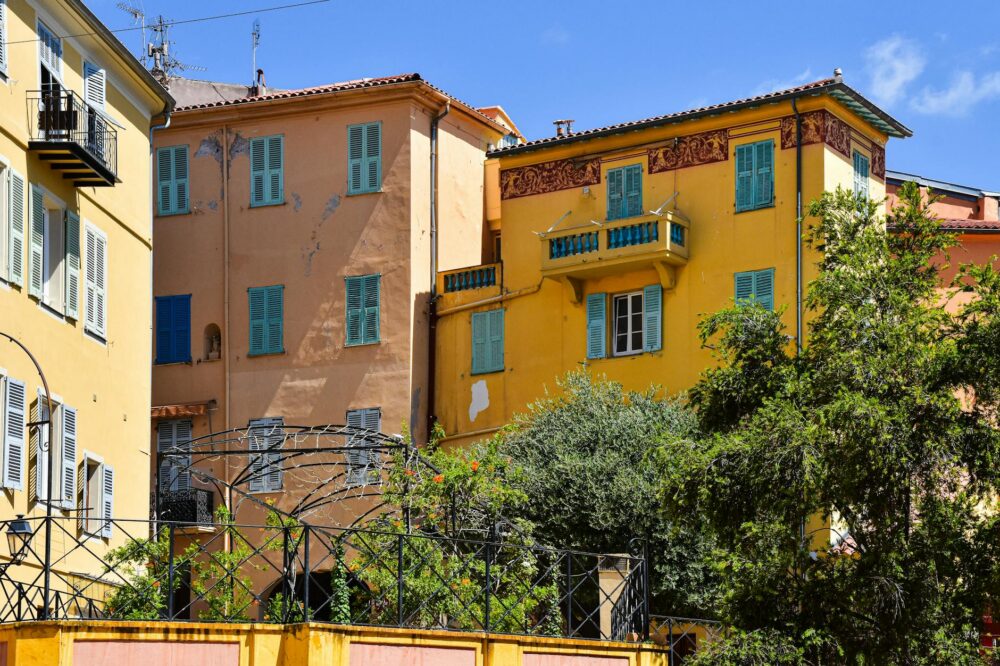
Photo by AXP Photography on Pexels

I’m an international student planning to study in Nice next year. Is it true that CROUS housing is only for scholarship holders? I’m not on a scholarship, but I’m on a tight budget.
Great question! CROUS housing is open to all students, but priority is given to scholarship holders, international students, and those with lower incomes. Non-scholarship students can still apply and sometimes get a place, especially if they apply early. It’s definitely worth submitting the Dossier Social Étudiant before the deadline.
Thanks for the guide! I’ve heard that shared apartments in Nice can be tricky with scams. Any red flags to watch out for?
You’re welcome! Yes, be cautious with listings that ask for a deposit before you’ve seen the apartment or signed a contract. Avoid landlords who won’t do a video call or in-person visit. Also, check that the rent is reasonable for the area—if it’s too good to be true, it probably is. Always get a proper colocation contract to protect your rights.