
Table des matières:
The Origins of Port de la Daurade: A Roman River Port
The Port de la Daurade in Toulouse traces its roots back to the Roman era, when the city, then known as Tolosa, was a thriving hub of commerce. The Garonne River served as a vital artery for trade, and the area that would become the port was strategically chosen for its accessibility. Roman engineers constructed quays and warehouses to handle goods such as wine, olive oil, and grain, which were shipped along the river to the Mediterranean. The name “Daurade” is believed to derive from the Latin word “deaurata,” meaning gilded, possibly referring to the golden sands of the riverbank or the gilded decorations of a nearby church. This early infrastructure laid the foundation for centuries of maritime activity.
Medieval Flourishing: The Port as a Commercial Hub
During the Middle Ages, Toulouse grew into a major economic center, and the Port de la Daurade became a bustling wharf. The Counts of Toulouse and local merchants invested in expanding the port facilities to accommodate increasing river traffic. The port handled a wide variety of goods, including textiles, spices, and building materials. The nearby Daurade Church, with its distinctive golden mosaic, became a landmark for sailors and traders. The port’s strategic location at the bend of the Garonne made it a natural stopping point for boats traveling between the Atlantic and the Mediterranean via the Canal du Midi, which would later be built. This period saw the construction of stone quays and the first bridges connecting the two banks of the river.
The Role of the Daurade Church
The Église de la Daurade, a church with origins in the 5th century, played a significant role in the port’s identity. Its name, meaning “gilded,” is thought to come from the golden mosaics that once adorned its interior. The church served as a spiritual beacon for sailors and a landmark for navigation. Over the centuries, the church was rebuilt several times, but its presence reinforced the port’s name and character.
The 18th Century: Golden Age of River Trade
The 18th century marked the zenith of the Port de la Daurade’s commercial importance. The completion of the Canal du Midi in 1681 linked the Garonne to the Mediterranean, turning Toulouse into a crucial inland port. The port became a bustling center for the transshipment of goods, especially grain, wine, and wood. Merchants built grand townhouses along the quay, many of which still stand today. The port’s activity was so intense that it required constant dredging and maintenance. The Port de la Daurade was not only a commercial hub but also a social gathering place, where people came to watch the boats, trade news, and enjoy the riverfront.
Architecture and Urban Development
The prosperity of the 18th century left a lasting architectural legacy. The quays were lined with elegant hôtels particuliers (private mansions) built by wealthy merchants. These buildings featured classical facades, wrought-iron balconies, and spacious courtyards. The port itself was paved with stone, and steps led down to the water’s edge for loading and unloading cargo. This period also saw the construction of the Pont Neuf, a bridge that improved access to the port and became an iconic Toulouse landmark.
Decline in the 19th Century: The Rise of Rail and Industrial Change
The 19th century brought profound changes to the Port de la Daurade. The advent of railways in the mid-1800s provided faster and more reliable transportation, gradually reducing the port’s commercial traffic. The development of the railroad network in France shifted freight away from rivers, and Toulouse’s port began to decline. Additionally, the Garonne River’s unpredictable flow and silting made navigation increasingly difficult. By the end of the century, the port’s once-thriving activity had diminished significantly. The area fell into disrepair, and the quays became a shadow of their former selves. However, the port remained a focal point for local fishermen and small-scale river transport.
20th Century Transformation: From Industrial Port to Urban Promenade
The 20th century saw a dramatic transformation of the Port de la Daurade. After World War II, the city of Toulouse began to redevelop the riverbanks, recognizing their potential for recreation and tourism. The old port facilities were gradually removed, and the quays were redesigned as pedestrian promenades. In the 1970s and 1980s, the area was cleaned up and landscaped, with the installation of parks, benches, and walkways. The Port de la Daurade evolved into a popular destination for locals and visitors alike, offering stunning views of the Garonne and the historic city center. The port’s role shifted from commerce to leisure, hosting events, markets, and festivals.
The Creation of the Promenade
The redevelopment project, known as the “Quais de la Daurade,” focused on creating a continuous riverfront walkway. The old stone quays were preserved and integrated into the new design, blending history with modernity. The promenade quickly became a beloved spot for jogging, cycling, and strolling. The city also added floating pontoons for small boats, kayaks, and tourist river cruises, restoring a nautical element to the area.
Port de la Daurade Today: A Vibrant Cultural and Social Hub
Today, the Port de la Daurade is one of Toulouse’s most cherished public spaces. It serves as a gateway to the historic district, with its proximity to the Capitole, the Saint-Sernin Basilica, and the bustling streets of the city center. The quays are lined with cafés, restaurants, and shops, making it a lively spot day and night. The port also hosts the famous Marché de la Daurade, a market that has operated for centuries, offering fresh produce, flowers, and local specialties. During the summer, the riverbanks come alive with concerts, open-air cinema, and the Toulouse Plages event, which transforms the quays into a beach resort.
Key Attractions and Activities
- Marché de la Daurade: A historic market held on the quay, perfect for sampling local products.
- Boat Tours: Several companies offer sightseeing cruises along the Garonne, departing from the port.
- Pont Neuf: The oldest bridge in Toulouse, offering panoramic views of the river and the port.
- Daurade Church: A historic church with a rich past, now open for visits.
- Promenade: A scenic walkway ideal for relaxation and people-watching.
Preserving the Heritage of the Port de la Daurade
Efforts to preserve the historical character of the Port de la Daurade are ongoing. The city of Toulouse has implemented conservation plans to protect the 18th-century quays and the architectural heritage of the surrounding buildings. Interpretive signs and plaques provide historical context, allowing visitors to appreciate the port’s long history. The port is also a key stop on the city’s heritage trails, which connect significant landmarks. The balance between modern use and historical preservation is carefully managed, ensuring that the Port de la Daurade remains a living monument to Toulouse’s riverine past.
Conclusion: A Timeless Link to Toulouse’s Past
The history of the Port de la Daurade in Toulouse is a story of transformation and resilience. From its origins as a Roman river port to its heyday as a commercial center during the 18th century, and its later decline and rebirth as a vibrant public space, the port has always been an integral part of the city’s identity. Today, it stands as a testament to Toulouse’s rich heritage, offering a unique blend of history, culture, and leisure. Whether you are a history enthusiast, a food lover, or simply seeking a pleasant stroll by the water, the Port de la Daurade invites you to discover its timeless charm.
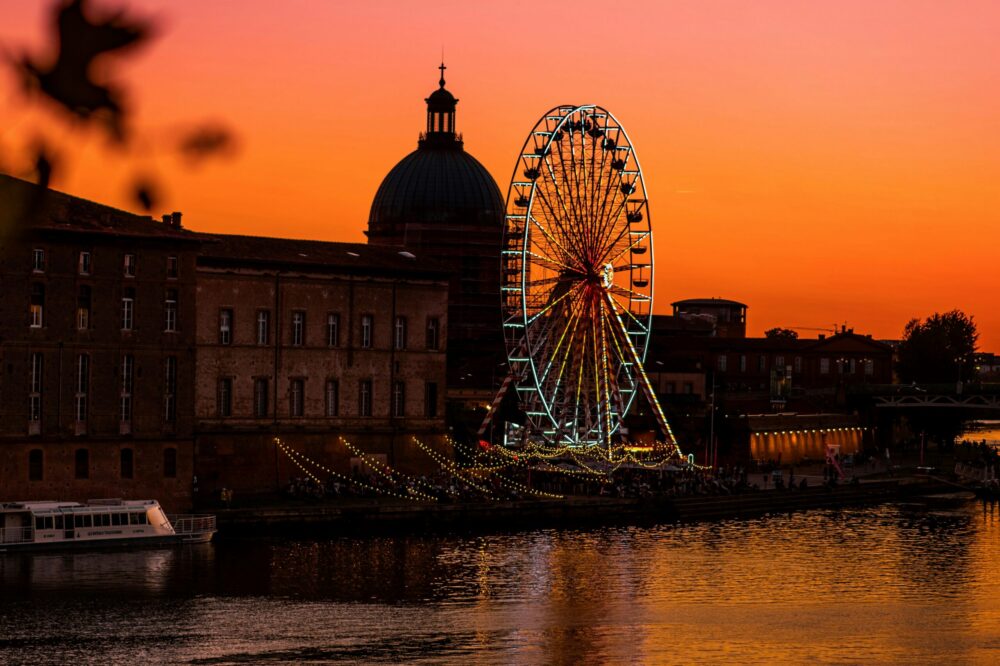
Photo by wilfried Vowoto on Unsplash


I’ve walked along the Port de la Daurade many times and always wondered about its history. Was the name ‘Daurade’ really from Latin meaning gilded?
Yes, according to historical sources, ‘Daurade’ likely derives from the Latin ‘deaurata’ (gilded), possibly referring to golden sands or the gilded decor of the nearby church.
The article mentions the Canal du Midi boosted trade in the 18th century. How did the port connect to the canal?
The Canal du Midi ends at the Garonne River just upstream from Toulouse, so boats could transfer goods between the canal and the river at ports like Port de la Daurade, making it a key transshipment point.
Are there any visible remains of the Roman quays or warehouses today?
While much of the original Roman infrastructure is buried or built over, some archaeological remains have been found during excavations. The modern promenade does not have visible Roman structures, but the city’s museums display artifacts.
What caused the decline of the port in the 19th century? Was it only railroads?
Railroads were the main factor, but also the Garonne’s silting and unpredictable flow made navigation difficult. Combined, these led to a sharp drop in commercial traffic by the late 1800s.
I read that the Daurade Church was rebuilt several times. What does it look like now?
The current Église de la Daurade dates from the 19th century and has a neoclassical facade. Its interior features a famous black Virgin statue, but the golden mosaics that gave it its name are no longer present.