
Table des matières:
Introduction
Paris in 2026 continues to enchant visitors with its timeless beauty, but navigating the city on a budget is more appealing than ever. With rising costs, finding free walking routes in Paris is a smart way to experience the City of Light without breaking the bank. Whether you’re a first-time visitor or a seasoned traveler, these self-guided itineraries let you soak up the atmosphere, history, and culture at your own pace. In this guide, we answer the question: What free walking routes are best in Paris in 2026? We’ve curated five routes that cover iconic landmarks, charming neighborhoods, and scenic riverbanks—all completely free.
1. The Classic Seine River Walk: From Notre-Dame to the Eiffel Tower
This is arguably the most iconic free walking route in Paris. Stretching along the Seine, it offers postcard-perfect views at every turn. Start at Notre-Dame Cathedral (reopened after restoration) and head west toward the Eiffel Tower. The entire walk takes about 1.5 hours without stops, but plan for at least half a day to enjoy the sights.
Highlights Along the Way
- Notre-Dame Cathedral: Admire the Gothic architecture from the outside (interior visits may require timed entry, but the exterior is free).
- Pont Neuf: The oldest standing bridge across the Seine, perfect for photos.
- Louvre Museum: Pass by the iconic glass pyramid; the museum’s exterior and Tuileries Garden are free.
- Musée d’Orsay: View the former railway station from the riverbank.
- Pont Alexandre III: One of Paris’s most ornate bridges.
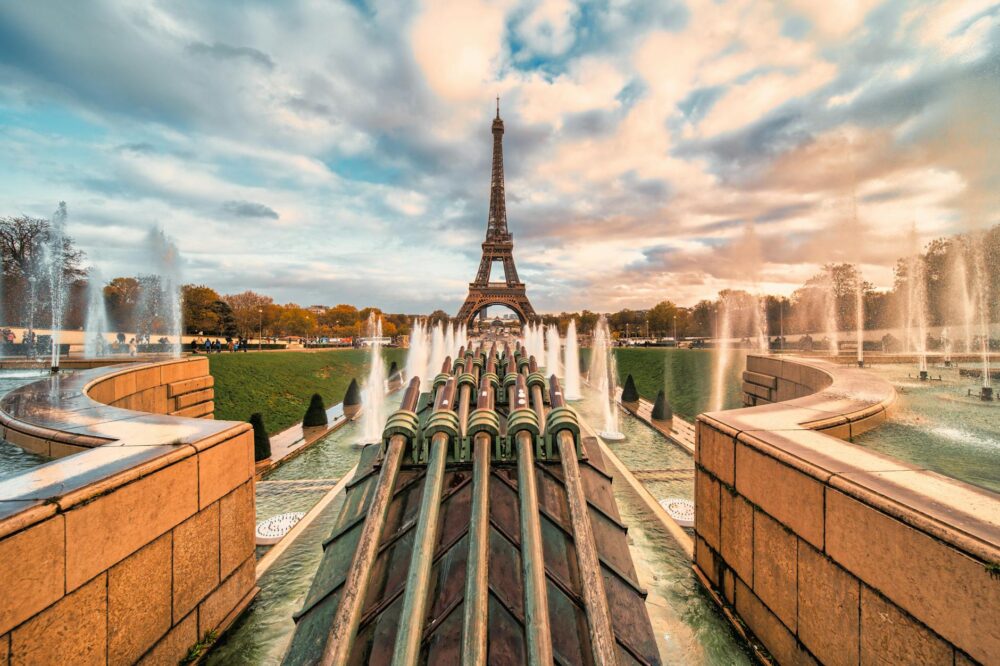
- Eiffel Tower: End at the Champ de Mars for a picnic with a view.
This route is best in the early morning or late afternoon to avoid crowds and catch golden hour. Bring water and snacks, as riverside cafés can be pricey.
2. Montmartre: Village Charm and Panoramic Views
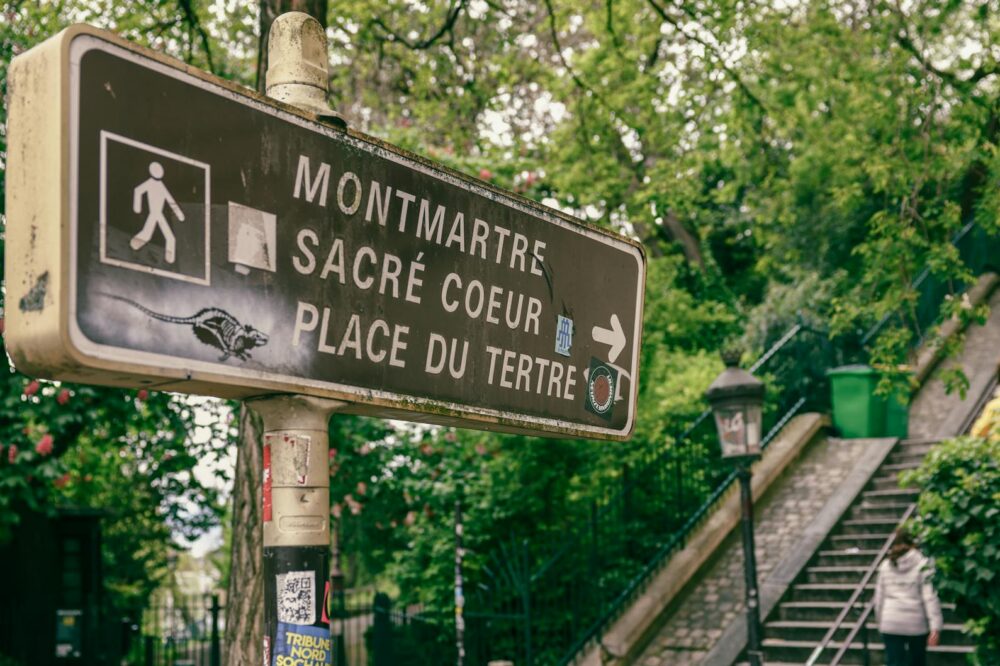
Montmartre feels like a village within a city. This hilly neighborhood is famous for its artistic history, the Sacré-Cœur Basilica, and cobblestone streets. A free walking route here combines culture, art, and stunning vistas.
Self-Guided Itinerary
- Start at Abbesses Metro Station (the Hector Guimard entrance is a masterpiece).
- Wander through Place des Abbesses and the surrounding streets, where you’ll find street art and boutiques.
- Visit the Walls of Love (Le Mur des Je t’aime), a free public artwork.
- Climb the stairs to Sacré-Cœur Basilica (entry is free, but the dome costs a fee). The terrace offers a panoramic view of Paris.
- Explore the Place du Tertre, where artists set up easels (no purchase required to watch).
- End at the Moulin de la Galette windmill, a remnant of Montmartre’s rural past.
Allow 2–3 hours. Montmartre is best visited in the morning to avoid the tourist rush. Don’t miss the vineyard (Clos Montmartre) for a unique photo op.
3. Le Marais: Historic Streets and Hidden Courtyards
Le Marais is a trendy district with a rich Jewish and LGBTQ+ history. Its narrow medieval streets are packed with free attractions, from museums with free permanent collections to beautiful squares.
Key Stops
- Place des Vosges: The oldest planned square in Paris, with red-brick buildings and a peaceful garden.
- Maison de Victor Hugo: Free entry to the permanent collection (the writer’s former home).
- Rue des Rosiers: The heart of the Jewish Quarter, known for falafel shops and historic bakeries.
- Hôtel de Sully: A beautiful Renaissance mansion with a free courtyard.
- Picasso Museum: Free on the first Sunday of each month (otherwise ticketed).
- Village Saint-Paul: A hidden enclave of antique shops and artisans.
This route is flat and easy to walk. Le Marais is lively on weekends, but weekdays offer a quieter experience. Budget 2–3 hours for a leisurely stroll.
4. Latin Quarter: Student Vibes and Ancient Roots
The Latin Quarter is one of Paris’s oldest neighborhoods, home to the Sorbonne university and a vibrant café culture. This free walking route combines history, literature, and green spaces.
Route Details
- Start at the Arènes de Lutèce, a Roman amphitheater free to enter.
- Walk to the Jardin des Plantes, a botanical garden with free access (the galleries have fees).
- Pass by the Museum of Natural History (free garden area).
- Visit Shakespeare and Company, the legendary English-language bookstore (no purchase needed).
- Explore the Rue de la Huchette, a lively street with Greek restaurants and souvenir shops.
- End at the Place Saint-Michel with its fountain.
This route is best for book lovers and history buffs. Allow 2 hours, plus extra time to relax in the gardens. The Latin Quarter is also close to Notre-Dame, so you can combine it with Route 1.
5. Canal Saint-Martin: Hipster Paradise and Waterfront Walks
For a more offbeat experience, the Canal Saint-Martin offers a trendy, laid-back vibe. This area is popular with locals and features iron footbridges, tree-lined banks, and quirky shops.
Walking Path
- Start at the Bassin de la Villette, a large basin with free events in summer.
- Walk south along the canal, passing under footbridges and through the Rotonde de la Villette.
- Stop at the Hôtel du Nord, a famous film location.
- Explore the Rue de Marseille for vintage stores and street art.
- End at the Place de la République, a major square with a statue.
This route is about 2 km and takes 1–2 hours. The canal area is perfect for a picnic, and many locals gather here on sunny days. It’s less crowded than central Paris, making it a peaceful escape.
Tips for Free Walking in Paris in 2026
To make the most of your free walking routes in Paris, keep these tips in mind:
- Use public transport smartly: A single metro ticket costs €2.10, but walking between neighborhoods is free. Consider a day pass if you plan to cover multiple areas.
- Check free museum days: Many museums offer free entry on the first Sunday of the month. Plan your route accordingly.
- Download offline maps: Save your walking routes to avoid data charges.
- Bring reusable water bottles: Paris has many public fountains (fontaines Wallace) with free drinking water.
- Timing is key: Early mornings and weekdays are less crowded. Avoid peak tourist hours (10 am–2 pm) for a more relaxed experience.
- Join free walking tours: If you prefer a guide, companies like Sandemans offer tip-based tours. They’re not entirely free, but you pay what you want.
Conclusion
Paris in 2026 remains a walker’s paradise, and these free walking routes prove that you don’t need to spend a fortune to experience its magic. From the iconic Seine to the bohemian Canal Saint-Martin, each route offers a unique perspective on the city. Whether you follow a structured itinerary or wander spontaneously, the best free walking routes in Paris are those that let you connect with the city’s soul. So lace up your walking shoes, grab a map, and start exploring—your budget will thank you, and your memories will be priceless.
Photo by TBD Traveller on Pexels


I’m planning a trip to Paris in 2026 and love the idea of free walking routes. Are these routes still accessible if some landmarks are under renovation?
Great question! The routes are designed around public spaces and exteriors, so renovations shouldn’t block them. For 2026, Notre-Dame’s exterior is fully accessible after its reopening, while interior visits may require timed entry. Always check official sites for any temporary closures.
The Montmartre route sounds lovely, but I’m concerned about the hills. Is there an easier alternative for those with mobility issues?
Absolutely! For a flatter option, try the Seine River walk or Le Marais route, both mostly level. In Montmartre, you can take the funicular from the base to Sacré-Cœur (requires a metro ticket) to avoid steep stairs. The views are worth it!
How long does each route typically take if you want to see everything without rushing?
Good question! For a relaxed pace with stops for photos and short breaks, plan about half a day (3–4 hours) for the Seine walk or Montmartre, and 2–3 hours for Le Marais or Latin Quarter. You can always split them across multiple days.
Are there any free guided walking tours that follow these routes? I prefer having a guide.
Yes, many free walking tours in Paris cover similar ground—check platforms like GuruWalk or Sandemans. They operate on a tip basis, so you can join for free. However, the self-guided routes in the article let you go at your own pace without any cost.