Table des matières:
Introduction
Rome, the Eternal City, is home to countless religious treasures that attract millions of visitors each year. For travelers on a budget, the good news is that many of these sacred sites are completely free to enter. In 2026, as the city prepares for the Jubilee Year, access to several religious landmarks remains open to all without charge. This guide answers the question: What free religious sites are in Rome in 2026? We’ll explore the most significant churches, basilicas, and catacombs that offer free admission, along with tips to make the most of your visit.
Why Visit Free Religious Sites in Rome?
Rome’s religious sites are not only places of worship but also repositories of art, history, and culture. Visiting them for free allows you to experience the spiritual heart of the city without straining your budget. Many of these sites are architectural masterpieces, housing works by Michelangelo, Raphael, and Caravaggio. Whether you are a pilgrim, a history enthusiast, or an art lover, these free attractions are essential stops on your Roman itinerary.
Top Free Religious Sites in Rome in 2026
1. St. Peter’s Basilica (Vatican City)
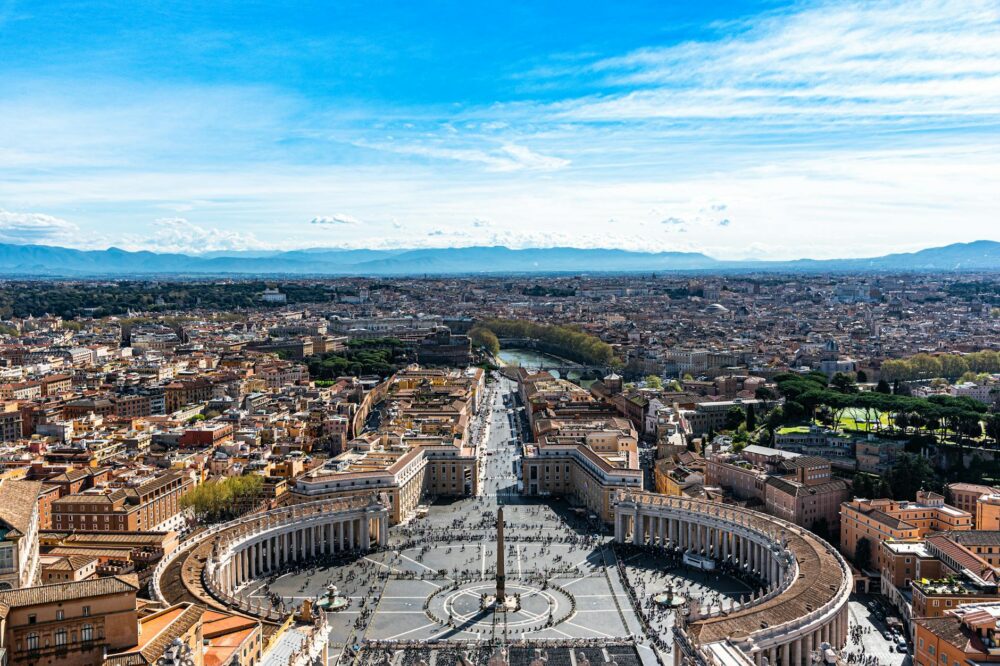
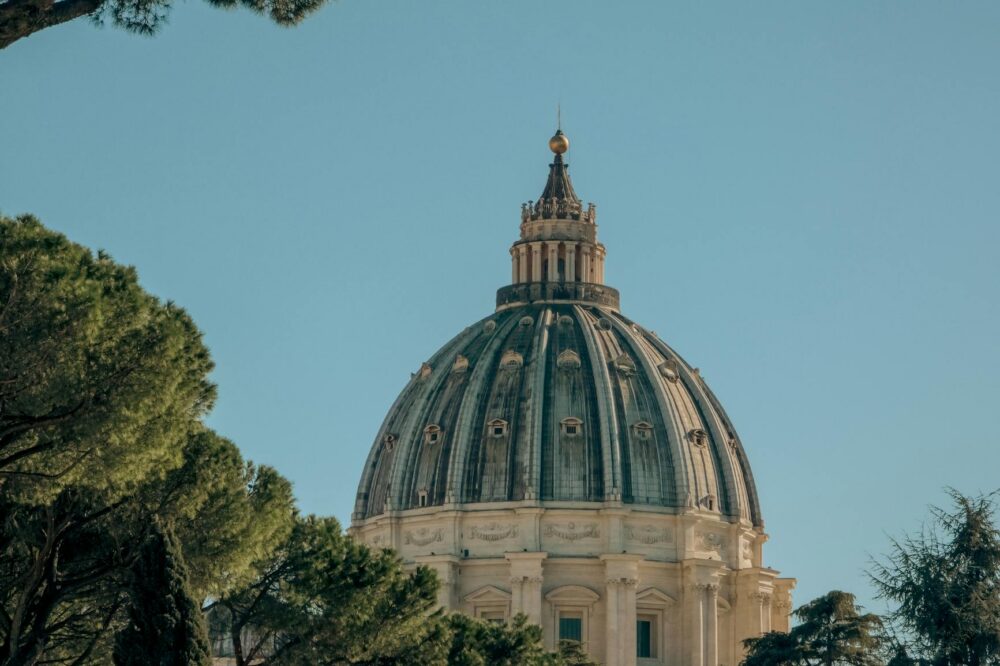
Although technically located in Vatican City, St. Peter’s Basilica is a must-visit for anyone in Rome. Entry to the basilica is free, and you can admire Michelangelo’s Pietà, the magnificent dome, and the stunning interior. In 2026, expect larger crowds due to the Jubilee, so arrive early in the morning to avoid long lines. Note that climbing the dome does have a fee, but the basilica itself remains free.
2. Basilica of Santa Maria Maggiore
One of the four papal basilicas in Rome, Santa Maria Maggiore is a stunning example of early Christian architecture. The church is free to enter and features beautiful mosaics dating back to the 5th century. The Pauline Chapel and the Sistine Chapel of the basilica are also accessible without charge. Located on the Esquiline Hill, it’s a short walk from Termini Station.
3. Basilica of San Giovanni in Laterano
As the cathedral of Rome, San Giovanni in Laterano holds immense religious significance. Entry is free, and visitors can explore the grand interior, the cloister, and the Holy Stairs (Scala Sancta) nearby. The Scala Sancta are believed to be the steps Jesus climbed during his trial, and climbing them on your knees is a popular devotional act. In 2026, the basilica will be a key site for Jubilee pilgrims.
4. Basilica of San Paolo Fuori le Mura
This papal basilica, located outside the city walls, is another free attraction. It houses the tomb of St. Paul and features a stunning nave with columns and mosaics. The cloister is a peaceful oasis with beautiful columns. It’s less crowded than other major basilicas, making it a serene spot for reflection.
5. Church of Santa Maria in Aracoeli
Perched on the Capitoline Hill, this medieval church is free to enter and offers a breathtaking view of the city from its steps. Inside, you’ll find the famous wooden statue of the Bambino Gesù (Baby Jesus) and frescoes by Pinturicchio. The church is especially popular during Christmas.
6. Church of Sant’Ignazio di Loyola
Famous for its stunning Baroque ceiling that creates an illusion of a dome, Sant’Ignazio is free to visit. The church is dedicated to the founder of the Jesuits and features impressive frescoes by Andrea Pozzo. The perspective tricks in the architecture are a delight for art lovers.
7. Pantheon (Free with Reservation System in 2026)
While the Pantheon has introduced an entry fee in recent years, in 2026 it remains free on certain days or with a reservation system for religious services. As a former Roman temple turned church, it is one of the best-preserved ancient buildings in Rome. Check the official website for free entry times, especially during religious holidays.
8. Catacombs of Rome (Free on Specific Days)
The catacombs are underground burial sites used by early Christians. While most catacombs charge an entry fee, some offer free entry on the first Sunday of the month or during special events. The Catacombs of San Callisto and San Sebastiano are among the most famous. In 2026, the Jubilee may include free access to certain catacombs; check local listings.
Free Religious Sites Off the Beaten Path
Church of San Pietro in Vincoli
Home to Michelangelo’s statue of Moses, this church is free and less crowded than St. Peter’s. The chains that supposedly bound St. Peter are displayed here. It’s a hidden gem for art lovers.
Basilica of Santa Maria in Trastevere
Located in the lively Trastevere district, this basilica features stunning 12th-century mosaics and a beautiful courtyard. Entry is free, and the area is perfect for an evening stroll.
Church of San Luigi dei Francesi
This church houses three masterpieces by Caravaggio, including The Calling of St. Matthew. Admission is free, but be prepared for a queue. It’s a must for Baroque art enthusiasts.
Tips for Visiting Free Religious Sites in Rome in 2026
- Dress appropriately: All religious sites require modest attire covering shoulders and knees. Avoid shorts, miniskirts, and sleeveless tops.
- Visit early or late: To avoid crowds, visit early in the morning or late in the afternoon. Many churches close for lunch (12:30–15:00).
- Check for special events: The Jubilee Year 2025 extends into 2026 with special masses and events that may affect access. Some sites may be closed during ceremonies.
- Use public transport: Rome’s metro and buses connect most major basilicas. Consider a Roma Pass for unlimited travel.
- Respect silence: These are active places of worship. Keep noise to a minimum and avoid using flash photography.
How to Plan Your Free Religious Tour in Rome
To make the most of your visit, plan a route that groups nearby sites. For example, start at St. Peter’s Basilica, then walk to Castel Sant’Angelo (free exterior), and continue to the Pantheon. Another route covers the four papal basilicas: San Giovanni, San Paolo, Santa Maria Maggiore, and St. Peter’s. Use a map app to optimize walking times.
Conclusion
Rome offers an abundance of free religious sites that are rich in history, art, and spirituality. From the grandeur of St. Peter’s Basilica to the intimate beauty of San Pietro in Vincoli, these attractions allow you to experience the city’s sacred heritage without spending a euro. In 2026, with the Jubilee Year underway, these sites will be even more significant. So, when you ask what free religious sites are in Rome in 2026?, remember that the answer includes some of the most iconic and awe-inspiring places in the world. Plan your visit, dress appropriately, and immerse yourself in the timeless beauty of Rome’s religious treasures.
Photo by Paolo Bici on Pexels