
The Ultimate Lille Travel Guide: Discover Northern France’s Hidden Gem
Planning a trip to northern France? This Lille Travel Guide covers everything you need to know—from the best attractions and local food to practical tips for getting around. Whether you’re a first-time visitor or returning for more, Lille offers a unique blend of Flemish culture, French elegance, and vibrant energy.
Why Visit Lille?
Lille is often overlooked in favor of Paris or Lyon, but this city in the Hauts-de-France region packs a punch. With its UNESCO-listed belfry, lively Grand Place, and world-class art museums, Lille is a destination that rewards curious travelers. The city’s history as a trading hub gives it a cosmopolitan feel, while its proximity to Belgium makes it perfect for day trips.
Best Time to Visit Lille
Lille experiences a temperate climate with four distinct seasons. Spring (April to June) and autumn (September to October) offer mild weather and fewer crowds. Summer (July to August) is warm and lively, with festivals like the Braderie de Lille in early September—Europe’s largest flea market. Winter (December to February) is cold but charming, especially during the Christmas markets.
Top Attractions in Lille
Grand Place (Place du Général-de-Gaulle)
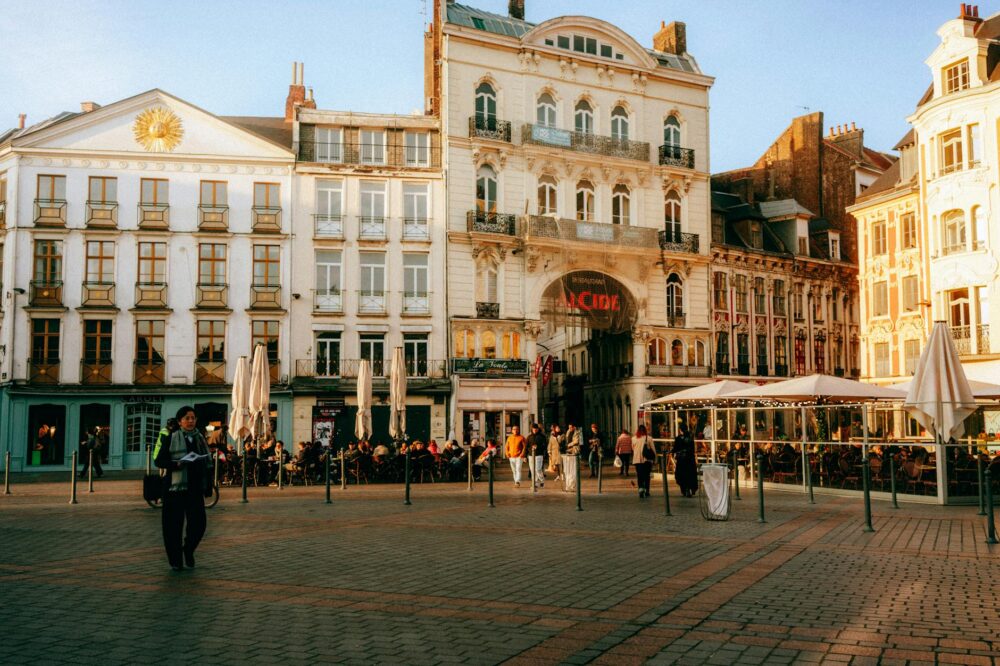
The heart of Lille, this square is surrounded by colorful 17th-century buildings, cafes, and the iconic Vieille Bourse. It’s the perfect spot for people-watching and soaking up the city’s atmosphere.
Palais des Beaux-Arts
One of France’s largest fine arts museums, housing works by Rubens, Delacroix, and Rodin. Don’t miss the collection of Flemish paintings.
Lille Cathedral (Basilique Notre-Dame de la Treille)
A modern Gothic-style cathedral with a striking contemporary facade. The interior is serene and offers a contrast to the bustling streets outside.
Citadelle de Lille
A 17th-century fortress designed by Vauban, surrounded by a large park. It’s a great place for a stroll or a picnic, and you can join a guided tour to learn about its history.
Vieux Lille (Old Town)
Wander through cobblestone streets lined with boutiques, restaurants, and historic buildings. Look out for the Maison de la Dentelle (Lace House) and the Hospice Comtesse Museum.
Local Cuisine: What to Eat in Lille
Lille’s food scene reflects its Flemish roots. Must-try dishes include:
- Carbonnade Flamande – Beef stew cooked in beer, often served with fries or bread.
- Moules-Frites – Mussels with fries, a classic in the region.
- Welsh – A hearty dish of bread, ham, and melted cheese, often topped with a fried egg.
- Potjevleesch – A terrine of meats in a jelly, served cold with fries and salad.
- Gaufres – Waffles, both sweet and savory, available from street vendors.
Pair your meal with a local beer from the many breweries in the region, or try a bière de garde.
Getting Around Lille
Lille has an efficient public transport system, including two metro lines, buses, and trams. The city center is compact and walkable. For day trips, the Lille Europe train station offers high-speed connections to Paris, Brussels, and London.
Practical Tips for Navigating Lille
- Buy a Pass Pass card for unlimited travel on public transport (available for 1, 3, or 7 days).
- Bike rentals are available through the V’Lille bike-sharing system.
- Taxis and ride-sharing services like Uber are widely available but more expensive than public transport.
Day Trips from Lille
Lille’s location makes it a perfect base for exploring northern France and beyond.
Belgium: Ghent, Bruges, and Brussels
Ghent is just 30 minutes by train, Bruges 1 hour, and Brussels 35 minutes. Each offers medieval charm, canals, and excellent chocolate.
Arras
A 50-minute train ride takes you to Arras, known for its Grand Place and the Wellington Quarry, a World War I memorial.
Lens
Home to the Louvre-Lens museum, a satellite of the Louvre in Paris, featuring a rotating collection of masterpieces.
Where to Stay in Lille
Choose accommodation based on your interests:
| Area | Best For | Price Range |
|---|---|---|
| Vieux Lille | History, dining, nightlife | $$$ |
| Lille Centre (Grand Place) | Convenience, shopping | $$ |
| Wazemmes | Local markets, budget stays | $ |
| Euralille (near train stations) | Business, quick getaways | $$ |
Packing Checklist for Lille
- Comfortable walking shoes (cobblestones and long walks)
- Umbrella and raincoat (weather can be unpredictable)
- Layers (temperature changes throughout the day)
- Power adapter (France uses Type E sockets)
- Reusable water bottle (tap water is safe to drink)
Mistakes to Avoid When Visiting Lille
- Only staying in the city center – Explore neighborhoods like Wazemmes for a local feel.
- Not trying local beer – Lille has a thriving craft beer scene; visit a estaminet (traditional pub).
- Forgetting to book ahead – Popular restaurants and museums can sell out, especially on weekends.
- Ignoring the Braderie de Lille – If you’re in town during early September, don’t miss this massive flea market.
Frequently Asked Questions About Lille
Is Lille worth visiting?
Absolutely. Lille offers a unique blend of French and Flemish culture, excellent food, and easy access to other European cities. It’s a great destination for a weekend trip or longer.
How many days do you need in Lille?
Two to three days is ideal for the main attractions and a day trip. If you want to explore the region more deeply, consider five days.
What is the best way to get to Lille from the UK?
The Eurostar from London St Pancras to Lille Europe takes about 1 hour 20 minutes. Alternatively, you can take a ferry to Calais and then a train or drive.
Is Lille expensive?
Lille is moderately priced compared to Paris. Accommodation and dining are affordable, especially if you eat like a local and stay in budget-friendly areas.
Do people speak English in Lille?
While French is the primary language, many people in the tourism industry speak English. Learning a few French phrases will be appreciated.
What is the Braderie de Lille?
It’s a massive flea market held annually on the first weekend of September, with thousands of vendors and millions of visitors. It’s a unique cultural experience.
Conclusion
This Lille Travel Guide has covered the essentials to help you plan an unforgettable trip. From its rich history and vibrant culture to its delicious cuisine and convenient location, Lille is a gem waiting to be discovered. Whether you’re exploring the cobblestone streets of Vieux Lille, indulging in a plate of moules-frites, or taking a day trip to Bruges, you’ll find plenty to love. Pack your bags and get ready to experience the charm of northern France’s hidden treasure.
Photo by Guillaume Dhalluin on Pexels