
Table des matières:
Why Finding Student Housing in Istanbul Requires a Strategy
Istanbul is home to over 20 major universities, including Boğaziçi, Istanbul University, Koç, Sabancı, and Istanbul Technical University. Each campus sits in a distinct district—from historic Fatih to modern Sarıyer. The rental market is competitive, and prices vary wildly depending on location, transport links, and amenities. Without a clear plan, you risk overpaying or ending up far from your lectures. This guide walks you through the essential steps to secure affordable, convenient accommodation near your university.
Neighborhoods to Consider by University District
Your choice of neighborhood directly affects commute time, cost, and lifestyle. Below are recommended areas for major universities.
European Side: Beşiktaş, Sarıyer, and Fatih
Beşiktaş is central for Boğaziçi University and offers vibrant nightlife, but rents are high. A shared apartment starts around 8,000 TL monthly. Sarıyer, near Koç University, is greener and slightly cheaper but requires a bus ride to campus. Fatih, close to Istanbul University, is budget-friendly with historic charm; expect 4,000–6,000 TL for a room.
Asian Side: Kadıköy, Üsküdar, and Maltepe
Kadıköy is a student hub for Marmara University and Sabancı (via ferry+shuttle). Rents are moderate—around 6,000 TL for a room. Üsküdar offers cheaper options (4,000–5,000 TL) and good transport. Maltepe is farther but more affordable, ideal if your university is in the Asian side.
Types of Student Accommodation
You have three main options: dormitories, private apartments, and shared flats. Each suits different budgets and preferences.
| Type | Cost (monthly per person) | Pros | Cons |
|---|---|---|---|
| State dormitory (KYK) | 500–1,500 TL | Cheapest, all-inclusive | Limited availability, strict rules |
| Private dormitory | 3,000–8,000 TL | Flexible contracts, amenities | Can be noisy, small rooms |
| Shared apartment | 4,000–10,000 TL | Independence, shared common areas | Utility bills, landlord issues |
| Studio apartment | 8,000–15,000 TL | Privacy, fully equipped | Expensive, harder to find |
How to Search for Accommodation Near Istanbul Universities
Use these platforms and strategies to find listings.
Online Platforms
- Sahibinden.com: Most popular, filter by university area. Beware of scams.
- Hepsiemlak: Good for verified listings.
- Facebook groups: Search “İstanbul öğrenci evi” or your university name + “kira”.
- University housing offices: Many have bulletin boards or partnerships.
Working with Real Estate Agents
Agents can save time but charge a commission (usually one month’s rent). Only use licensed agents (check their TÜRSAB number). Avoid paying any fee before signing a contract.
Budget Breakdown: What to Expect
Beyond rent, factor in utilities (electricity, water, gas, internet) which add 500–1,500 TL monthly. Some apartments include these in the rent. Also budget for a deposit (usually 2 months’ rent) and agency fee if applicable.
Sample monthly budget for a shared flat near Boğaziçi:
- Rent: 6,000 TL
- Utilities: 800 TL
- Internet: 150 TL
- Food: 2,000 TL
- Transport: 500 TL
- Total: 9,450 TL
Common Mistakes to Avoid When Renting Near a University
Many students fall into these traps. Stay alert.
- Paying without seeing the flat: Always visit in person or have a trusted friend check it.
- Ignoring the contract: Read every clause, especially about deposits and notice periods.
- Choosing based on photos only: Scammers use fake images.
- Not checking commute time: A cheap place far from campus may cost more in time and transport.
- Forgetting about utility costs: Ask for average bills from previous tenants.
Checklist Before Signing a Lease
Use this checklist to ensure a safe rental.
- ✅ Visit the property at different times of day
- ✅ Check locks, windows, and water pressure
- ✅ Confirm internet availability and speed
- ✅ Ask about garbage collection and building security
- ✅ Take photos of any existing damage
- ✅ Get a written inventory of furniture
- ✅ Verify the landlord’s identity (ask for ID card)
- ✅ Ensure the contract is in Turkish and you understand it
How to Spot Rental Scams
Scams are common. Red flags include:
- Listings with unrealistically low prices
- Landlord asking for deposit before viewing
- No contract or vague terms
- Pressure to pay immediately
- Only contact via WhatsApp or email, no phone number
If it sounds too good to be true, it likely is. Always use secure payment methods and get a receipt.
Short-Term vs Long-Term Rentals
If you’re an exchange student, short-term rentals (3–6 months) are ideal. Platforms like Airbnb or Spotahome list furnished options, but they’re pricier. For longer stays, a standard annual lease is cheaper. Negotiate a break clause if you might leave early.
Transportation and Commute Tips
Istanbul’s traffic is notorious. Choose accommodation near a metro, metrobüs, or ferry line. For example, students at ITU Ayazağa campus benefit from the metro. Use apps like Moovit or Google Maps to estimate travel times. A monthly student transport pass (Istanbulkart) costs around 400 TL for unlimited rides.
What to Do if You Need Help
University international offices often provide housing assistance. Some also have partnerships with private dormitories offering discounts. Additionally, student communities on social media can connect you with roommates or sublets.
Frequently Asked Questions
Is it cheaper to live in a dorm or a shared apartment?
State dorms (KYK) are cheapest, but private dorms can be as costly as a shared flat. For more independence, a shared flat is often better value if you split bills.
How much rent should I expect near Boğaziçi University?
A room in a shared flat costs 6,000–10,000 TL, while a studio starts around 10,000 TL. Prices are higher in Bebek and Etiler.
Can I find accommodation without a Turkish bank account?
Yes, but paying rent may require cash or international transfer. Some landlords accept foreign currency. Open a Turkish bank account as soon as possible.
What documents do I need to rent an apartment in Istanbul?
Typically, a passport, student ID, and sometimes a residence permit. Landlords may also ask for a guarantor (kefil).
How do I avoid rental scams?
Never pay before viewing, insist on a written contract, and verify the landlord’s ownership through the title deed (tapu). Use reputable sites like Sahibinden.
Are there any areas to avoid near Istanbul universities?
Most student neighborhoods are safe, but avoid poorly lit streets at night. In Fatih, some areas are conservative; dress accordingly. Always check local reviews.
Next Steps: Secure Your Student Home
Start your search at least two months before your semester begins. Use the checklist, compare neighborhoods, and never rush into a decision. With careful planning, you’ll find accommodation near Istanbul universities that fits your budget and lifestyle. Good luck!
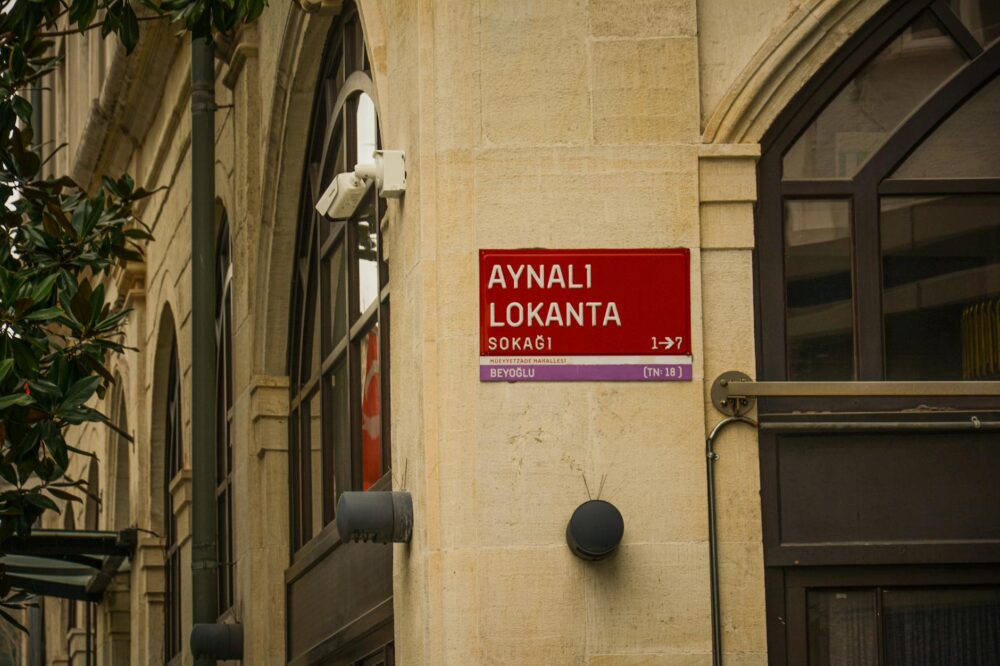
Photo by feyza ebrar on Pexels

I’m worried about scams on Sahibinden. What red flags should I look for?
Good point. Common red flags include: listings with prices too good to be true, requests for deposit before viewing, landlords who won’t show the apartment in person, and poor-quality photos. Always view the property first, never wire money, and insist on a written contract. Using verified agents can also reduce risk.
Great guide! I’m considering studying at Boğaziçi University. The sample budget for a shared flat near Beşiktaş was really helpful. Could you clarify whether utilities like internet are typically included in the rent or separate?
Thanks for your question! In shared flats near Boğaziçi, utilities are almost always separate. The sample budget shows rent only. You’ll need to split electricity, water, gas, and internet with housemates, adding about 500–1,500 TL per month total. Always confirm with the landlord before signing.
Thanks for the neighborhood breakdown. I’m heading to Sabancı University—you mentioned Kadıköy as an option. How reliable is the ferry+shuttle commute?
You’re welcome! The ferry from Kadıköy to the Sabancı shuttle is quite reliable. The ferry runs frequently, and the shuttle meets the ferry at the other end. Total commute is about 45–60 minutes each way. Many students do it daily. Just check the shuttle schedule to avoid long waits. It’s a popular route.