
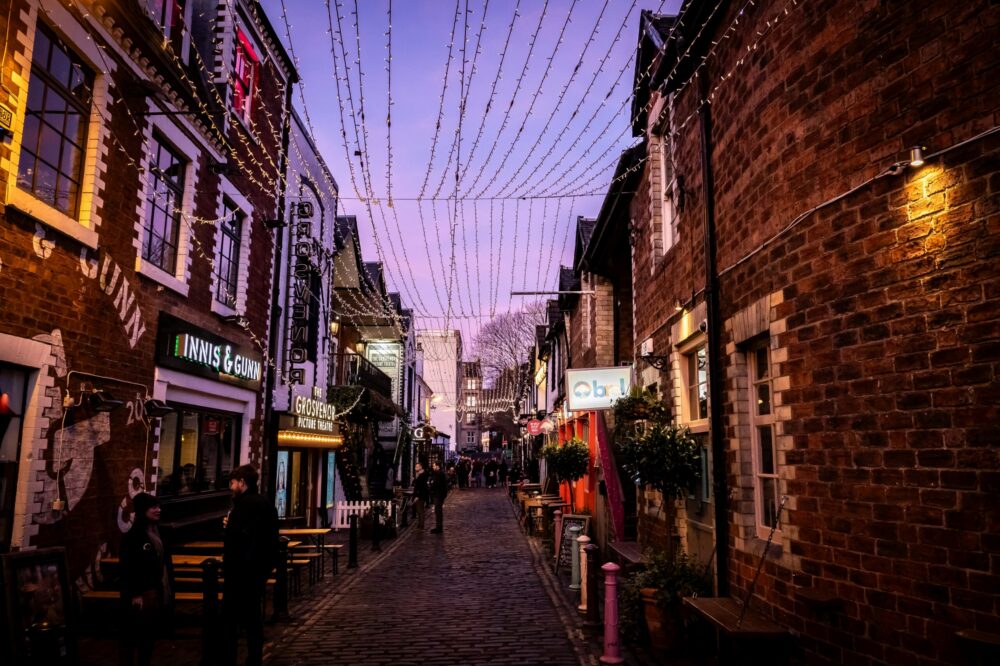
Table des matières:
Why Old Town Nice (Vieux Nice) Is a Must-Visit Destination
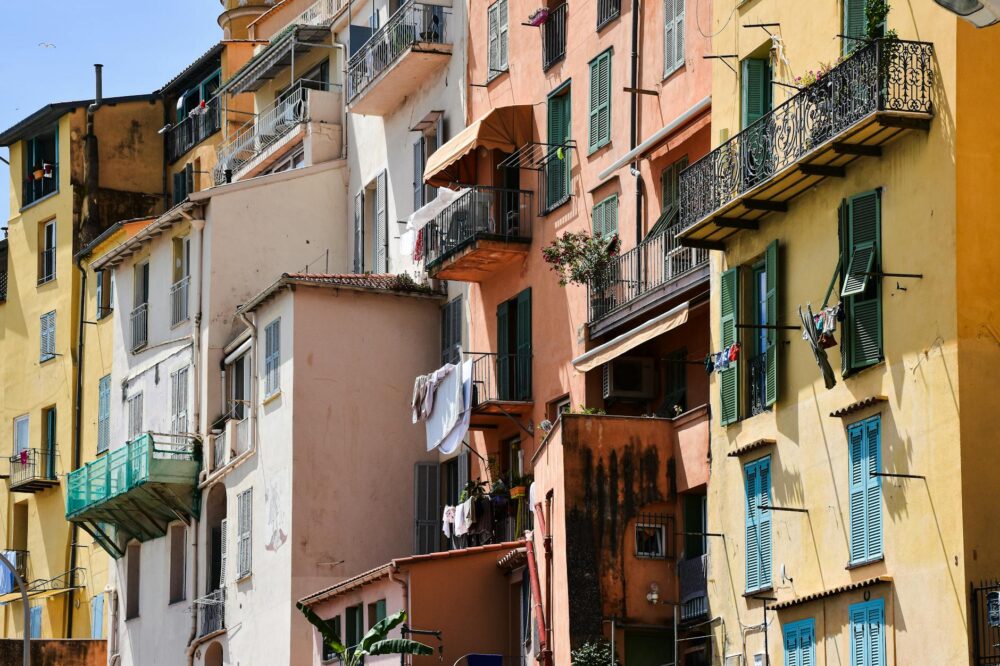
Old Town Nice, known locally as Vieux Nice, is the historic heart of the French Riviera’s most vibrant city. With its narrow, winding streets, pastel-colored buildings, and lively squares, it offers an authentic taste of Provençal life. Whether you’re a first-time visitor or a seasoned traveler, exploring Vieux Nice is an experience that combines culture, cuisine, and charm in every corner. This guide will show you exactly how to explore Old Town Nice (Vieux Nice) like a local, covering the best attractions, hidden gems, and practical tips.
Getting Oriented in Vieux Nice: Key Streets and Squares
Before diving in, it helps to understand the layout. Vieux Nice is a compact maze of pedestrian streets bordered by the Paillon River to the north, the Mediterranean to the south, and the Castle Hill to the east. The main arteries are Rue de la Préfecture, Rue Saint-François-de-Paule, and Rue Droite. The central squares are Cours Saleya (famous for its market), Place Rossetti (home to the cathedral), and Place Garibaldi (the grand entrance).
Navigating the Narrow Alleys
The alleys, or ruelles, are the soul of Vieux Nice. They are often unnamed or change names frequently, so don’t rely solely on GPS. Instead, use landmarks like a distinctive fountain or a colorful building. Getting lost is part of the fun—you’ll discover tiny courtyards, artisan workshops, and hidden churches.
Top Attractions in Old Town Nice (Vieux Nice)
Cours Saleya Market: The Heartbeat of Vieux Nice
The Cours Saleya market is the most iconic spot. Every morning except Monday (when it’s an antique market), the square fills with stalls selling flowers, fruits, vegetables, and local specialties like socca (chickpea pancake) and pissaladière (onion tart). Visit early to see the liveliest activity and grab a fresh produce snack. The market runs from 6:00 AM to 5:30 PM (until 1:30 PM on Sundays).
Nice Cathedral (Cathédrale Sainte-Réparate)
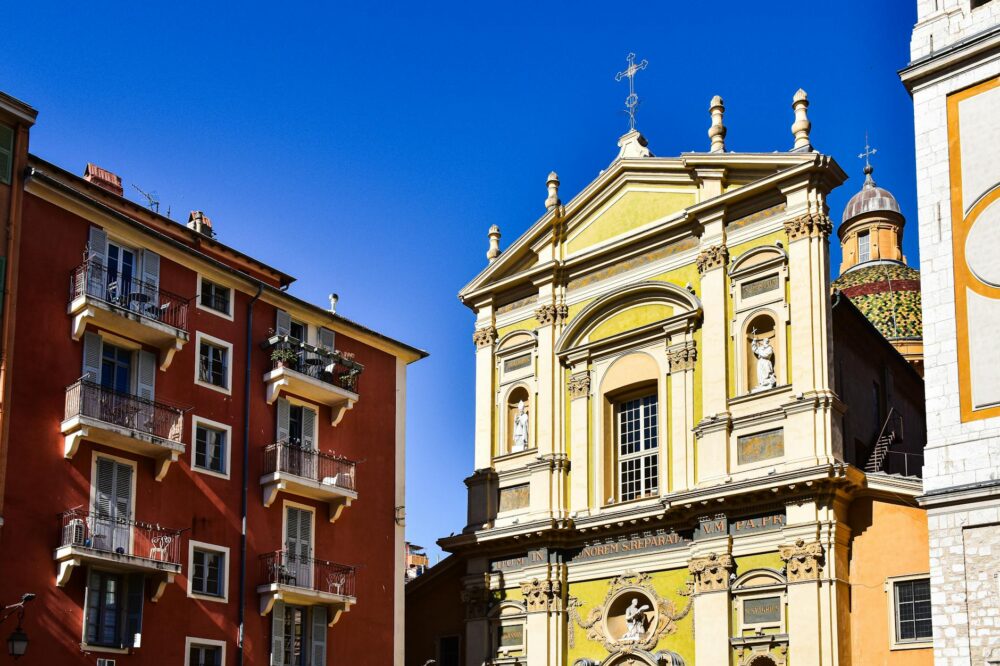
Located on Place Rossetti, this Baroque cathedral dates from the 17th century. Its ornate interior features a large dome and impressive frescoes. It’s free to enter, but remember to dress modestly. The square itself is a popular spot for a coffee or gelato while people-watching.
Castle Hill (Colline du Château)
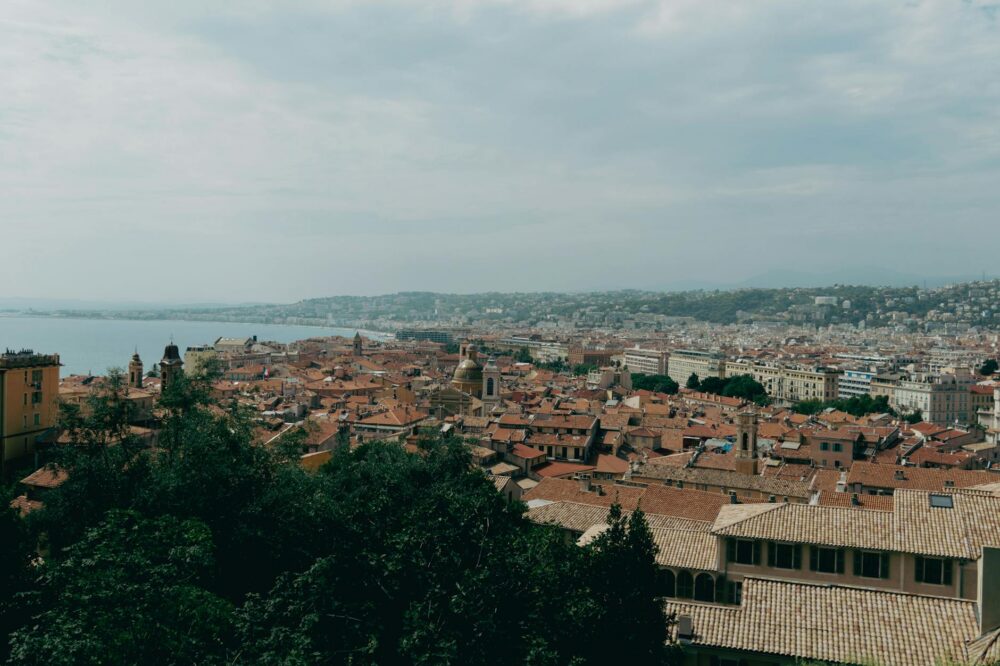
While not a castle anymore (it was demolished in the 18th century), Castle Hill offers the best panoramic views of Nice and the Bay of Angels. You can climb the stairs from the old town (about 20 minutes) or take the free elevator near the Tour Bellanda. The park also has a waterfall, playground, and café. It’s especially beautiful at sunset.
Palais Lascaris
This 17th-century aristocratic palace is now a museum of musical instruments and decorative arts. The interior features frescoed ceilings, tapestries, and a stunning staircase. It’s a quieter attraction, perfect for history lovers. Admission is around €5.
Where to Eat and Drink in Vieux Nice
Food is a highlight of exploring Vieux Nice. From street food to sit-down restaurants, here’s what to try and where.
Must-Try Local Dishes
- Socca: A thin, crispy chickpea pancake best eaten hot. Try it at Chez Pipo or at the Cours Saleya market.
- Pissaladière: A caramelized onion tart with anchovies and olives. Look for it at bakeries like Boulangerie Jean-Luc Pelé.
- Pan Bagnat: A Niçoise salad sandwich made with olive oil, vegetables, and tuna. Perfect for a picnic.
- Farcis Niçois: Stuffed vegetables (tomatoes, zucchini, peppers) typically served as a starter.
Best Restaurants and Cafés
| Name | Specialty | Price Range |
|---|---|---|
| Olive & Artichaut | Provençal cuisine | €€ |
| La Merenda | Traditional Niçoise | €€ |
| Fenocchio Glacier | Artisanal ice cream | € |
| Le Bistrot d’Antoine | Seafood & local wines | €€€ |
Hidden Gems and Local Secrets
Beyond the main sights, Vieux Nice has many lesser-known treasures.
Rue du Marché and the Flower Market
This narrow street runs parallel to Cours Saleya and is home to a daily flower market. The scent of fresh blooms fills the air, and it’s a more tranquil alternative to the main market.
The Private Courtyards
Many buildings have hidden courtyards with fountains and gardens. Look for open doors or small signs indicating a passage. One example is the Courtyard of the Palais Communal, off Rue de la Préfecture.
Église Saint-Martin-Saint-Augustin
This less-visited church on Rue Saint-Augustin has a beautiful Baroque interior and a peaceful atmosphere. It’s often open in the afternoon.



Practical Tips for Exploring Old Town Nice
To make the most of your visit, keep these tips in mind.
Best Time to Visit
The old town is busiest from late morning to early evening. For a more relaxed experience, go early in the morning (around 8 AM) when the market is setting up, or after 7 PM when the crowds thin out for dinner. Summer months are hot and crowded; spring and autumn offer milder weather and fewer tourists.
Getting Around
Vieux Nice is entirely pedestrian-friendly. Wear comfortable shoes as the streets are cobblestoned. Public transport includes tram line 1 (stop: Opéra-Vieille Ville) and several bus lines. Parking is limited; if driving, park at the underground garage on Cours Saleya (Parking Palais de la Méditerranée).
What to Wear
Dress comfortably but respectably. For churches, cover shoulders and knees. In summer, light fabrics and sun protection are essential. A small daypack is useful for market purchases.
Creating Your Own Walking Tour of Vieux Nice
Here’s a suggested route that covers the highlights and hidden spots in about 3 hours.
- Start at Place Garibaldi (east end of old town). Admire the arcades and the statue.
- Walk down Rue de la République to Rue Droite. Explore the small shops and galleries.
- Turn left onto Rue Saint-François-de-Paule to arrive at Cours Saleya. Browse the market.
- Head to Place Rossetti via Rue de la Poissonnerie. Visit the cathedral and enjoy a coffee.
- Climb the stairs to Castle Hill (or take the elevator). Take in the view.
- Descend via the waterfall path to the old town’s southern edge. Stroll along the Quai des États-Unis.
- End at the Opéra de Nice and nearby Rue de la Préfecture for dinner.
Common Mistakes to Avoid When Exploring Vieux Nice
Even seasoned travelers can fall into these traps.
- Eating at tourist traps on Cours Saleya: Restaurants with aggressive touts often serve mediocre food. Walk a few streets away for better value.
- Ignoring the siesta: Many shops close from 12:30 PM to 2:30 PM. Plan shopping accordingly.
- Not carrying cash: Some small vendors and markets prefer cash, though cards are widely accepted.
- Overlooking the afternoon heat: In summer, plan indoor activities (museums, churches) between 12 PM and 3 PM.
Frequently Asked Questions About Exploring Old Town Nice
How much time should I spend in Old Town Nice?
A half-day (3–4 hours) is enough to see the main sights, but a full day allows for a leisurely pace, a meal, and time to get lost in the alleys.
Is Old Town Nice safe at night?
Yes, Vieux Nice is generally safe, but like any tourist area, be aware of pickpockets in crowded spots. The streets are well-lit and busy until late.
What is the best way to get to Vieux Nice from the airport?
The tram line 2 connects the airport to the city center (stop: Jean Médecin). From there, it’s a 10-minute walk to the old town. Alternatively, take bus 98 to the Promenade des Anglais.
Can I visit Vieux Nice on a Sunday?
Yes, but note that many shops are closed. The Cours Saleya market runs on Sunday mornings (until 1:30 PM), and restaurants and churches remain open.
What souvenirs should I buy in Vieux Nice?
Local olive oil, soaps from Provence, lavender products, and Niçoise textiles (like tablecloths) make great keepsakes. Also consider socca mix or cookbooks for a culinary memory.
Are there guided tours of Vieux Nice?
Yes, many companies offer walking tours in English. You can also use audio guides or self-guided tour apps. The tourist office on the Promenade des Anglais provides maps and information.
Make Your Visit Unforgettable: Final Recommendations
Exploring Old Town Nice (Vieux Nice) is a sensory journey through history, flavor, and color. To truly immerse yourself, slow down. Sit on a bench in Place Rossetti, order a socca from a street vendor, and watch the world go by. Don’t try to see everything—leave room for spontaneous discoveries. Whether you’re drawn by the market’s energy, the cathedral’s serenity, or the hilltop views, Vieux Nice rewards those who wander with curiosity. Plan your route, but be flexible. And most importantly, bring your appetite and your sense of adventure. Your exploration of Vieux Nice will be a highlight of any trip to the French Riviera.
Photo by Johnny Briggs on Unsplash

Great guide! I’m planning a trip to Nice next month. How early should I arrive at Cours Saleya market to see it at its most lively?
Thanks! The market is most vibrant around 8:00–9:00 AM when vendors are fully set up and locals are shopping. Arriving by 8:00 AM gives you the best atmosphere and freshest produce.
I’m a bit worried about getting lost in those narrow alleys. Is there a good landmark to use as a meeting point if I split up from my group?
Place Rossetti with the cathedral is a great central meeting point. It’s easy to find and has cafés and gelato shops where you can wait comfortably. The fountain in the square is also a recognizable landmark.
The Castle Hill view sounds amazing. Is the free elevator easy to find? And is it accessible for someone with a stroller?
The elevator entrance is near the Tour Bellanda, just off the Promenade des Anglais at the eastern end of the old town. It’s clearly marked and fully accessible for strollers, so no problem there.