
Table des matières:
Why the French Riviera in 2026 Will Be Different
The French Riviera, or Côte d’Azur, has long been synonymous with glamour, turquoise waters, and celebrity hideaways. But by 2026, this iconic coastline is evolving. New eco-friendly initiatives, reduced tourist caps in popular spots like Èze, and improved rail connections are reshaping the travel experience. If you’re wondering how to explore the French Riviera in 2026, you’ll find that it’s less about crowded beaches and more about authentic, sustainable exploration.
Top 5 Destinations You Cannot Miss
Nice: The Vibrant Capital
Nice remains the gateway to the Riviera. Stroll along the Promenade des Anglais, explore the colorful old town (Vieux Nice), and visit the Marc Chagall Museum. In 2026, the city’s new low-emission zone makes cycling the preferred way to get around. Rent a bike from Vélo Bleu and cruise the coastline.
Antibes and Juan-les-Pins
Home to the Picasso Museum and the largest yachting harbor in Europe, Antibes offers a blend of art and maritime charm. For nightlife, head to Juan-les-Pins. In 2026, the revitalized Marché Provençal offers local organic produce every morning.
Cannes: Beyond the Film Festival
Even without the red carpet, Cannes dazzles. Walk the Boulevard de la Croisette, explore Le Suquet (the old quarter), and take a ferry to the Îles de Lérins. The 2026 Cannes Film Festival (May 12-23) will introduce new digital access for virtual screenings.
Saint-Tropez: A More Accessible Icon
Once reserved for the ultra-wealthy, Saint-Tropez now welcomes travelers with a new eco-shuttle from the train station. Visit the Citadel, enjoy beach clubs like Club 55, and hike the Sentier du Littoral for stunning views.
Monaco: The Ultimate Luxury Stop
Though technically a principality, Monaco is part of the Riviera experience. See the Monte Carlo Casino, the Oceanographic Museum, and the Prince’s Palace. In 2026, the new Monte Carlo Marathon (March 22) offers a scenic route along the coast.
Getting Around in 2026: Sustainable and Smart
Public transport is the best way to explore without traffic headaches. The TER train connects all major towns from Cannes to Menton, with frequent services and affordable fares. In 2026, the Lignes d’Azur buses have added electric coaches to hilltop villages like Eze and Saint-Paul-de-Vence. For a splurge, pre-book a private driver via services like Riviera Transfers. Avoid renting a car in peak season—parking is scarce and expensive.
When to Visit: 2026 Season Guide
| Season | Pros | Cons |
|---|---|---|
| Spring (Apr-Jun) | Mild weather, flowers in bloom, fewer crowds | Some beaches still cool |
| Summer (Jul-Aug) | Warm sea, festivals, vibrant nightlife | Peak crowds, high prices |
| Autumn (Sep-Oct) | Pleasant temperatures, harvest season, lower rates | Shorter days |
| Winter (Nov-Mar) | Quiet, off-season deals, cultural events | Many restaurants closed |
For the best balance, plan your trip in late May or early September. The weather is warm but not scorching, and you’ll avoid the July-August rush.
Hidden Gems and Local Secrets
Villefranche-sur-Mer
Just east of Nice, this fishing village boasts a deep-water bay and a charming old town. Swim at Plage des Marinières, then climb to the Chapelle Saint-Pierre, decorated by Jean Cocteau.
Menton: The Lemon Capital
Near the Italian border, Menton is known for its lemon festival (February) and pastel-colored buildings. Visit the Jardin Serre de la Madone for a peaceful escape.
The Perched Villages



Eze, Saint-Paul-de-Vence, and Gourdon offer medieval charm and panoramic views. Eze’s Jardin Exotique is a must for its cactus collection and sea vistas. In 2026, these villages have introduced timed entry to manage crowds—book online in advance.
Food and Drink: What to Taste in 2026
Provençal cuisine is all about fresh, sun-kissed ingredients. Don’t leave without trying:
- Socca – A chickpea pancake, best in Nice’s old town.
- Pissaladière – Onion tart with anchovies and olives.
- Bouillabaisse – Fish stew from Marseille (though available in Riviera restaurants).
- Local wines – Bellet and Côtes de Provence rosés.
- Lemon specialties from Menton – try the tarte au citron.
For an authentic experience, visit a morning market like Cours Saleya in Nice or Marché Forville in Cannes. In 2026, many markets have adopted zero-waste packaging—bring your own bag.
Practical Checklist for 2026 Travelers
- ☐ Book train tickets in advance via SNCF Connect for best fares.
- ☐ Reserve accommodation early for summer; consider boutique hotels in smaller towns.
- ☐ Pack layers: even summer evenings can be cool due to the Mistral wind.
- ☐ Download the Lignes d’Azur app for real-time bus schedules.
- ☐ Learn a few French phrases: locals appreciate the effort.
- ☐ Consider a Riviera Pass for discounts on museums and transport.
Common Mistakes to Avoid
- Overplanning: Leave room for spontaneous detours—a hidden cove or a village market can be the highlight.
- Relying on taxis: They are expensive and scarce. Use trains and buses instead.
- Ignoring the mistral wind: It can whip up suddenly, even in summer. Choose sheltered beaches on windy days.
- Eating in tourist traps: Avoid restaurants with menus in multiple languages and photos. Look for places filled with locals.
Where to Stay: 2026 Accommodation Trends
Sustainable stays are on the rise. Eco-lodges like Domaine du Mas de Pierre in Saint-Paul-de-Vence offer solar-powered luxury. For budget options, consider hostels like HI Nice Les Camélias or Airbnb apartments in residential neighborhoods. In 2026, the region has expanded its “Slow Tourism” certification for hotels that minimize environmental impact. Look for the label when booking.
Frequently Asked Questions
Is the French Riviera expensive in 2026?
It can be, but you can manage costs by traveling in shoulder season, using public transport, and eating at local markets. Budget hotels and hostels are available outside central areas.
Do I need a car to explore the Riviera?
No. The train network is excellent, and buses reach hilltop villages. A car is more trouble than it’s worth due to traffic and parking fees.
What are the best beaches for families?
Plage de la Mala in Cap d’Ail, Plage de la Garoupe in Antibes, and Plage de l’Estagnol near Bormes-les-Mimosas have calm waters and facilities.
Can I visit the Cannes Film Festival in 2026?
Yes, but tickets for screenings are hard to get. The public can attend the opening ceremony on the red carpet steps for free (arrive early). Many events are open to industry professionals only.
Is it safe to travel alone as a woman?
Generally yes. The Riviera is tourist-friendly, but take standard precautions: avoid dark streets at night, keep valuables secure, and use licensed taxis or rideshares.
What’s new for 2026 on the Riviera?
New electric ferry services connect Nice to Cannes and Saint-Tropez, reducing carbon emissions. Also, the Villa Ephrussi de Rothschild has launched an augmented reality tour of its gardens.
Final Thoughts: Your 2026 Riviera Adventure Awaits
Exploring the French Riviera in 2026 is about embracing both its timeless beauty and its modern shift toward sustainability. Whether you’re hiking the coastal paths of the Esterel Massif, savoring socca in Nice, or watching the sunset from a perched village, this corner of France rewards those who travel thoughtfully. By planning ahead, choosing eco-friendly options, and venturing beyond the postcard spots, you’ll discover why the Côte d’Azur remains one of the world’s most captivating destinations. Start your journey now, and let the Riviera’s magic unfold.
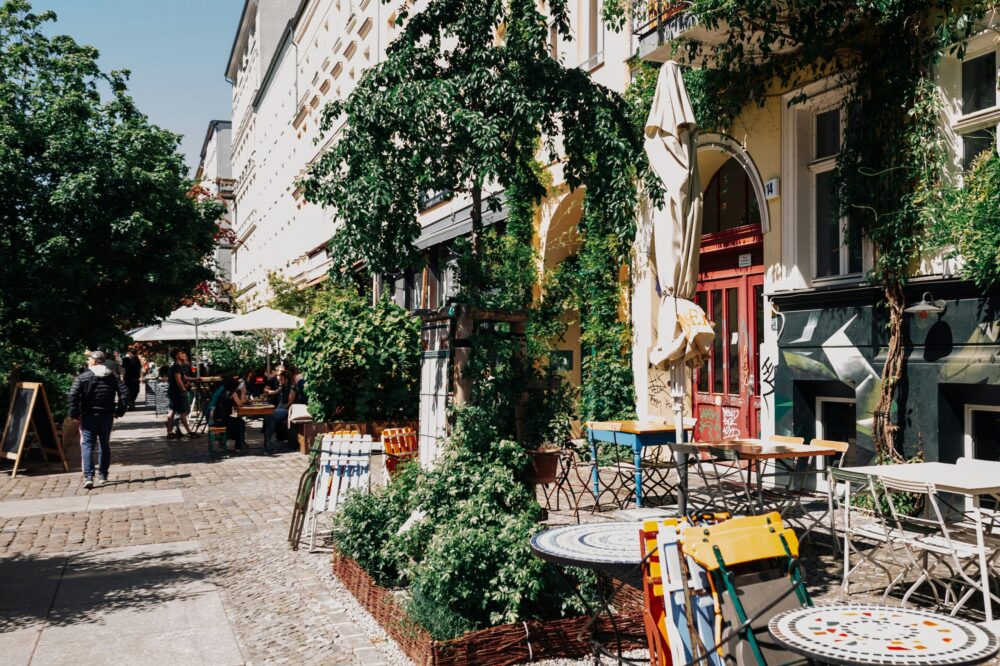
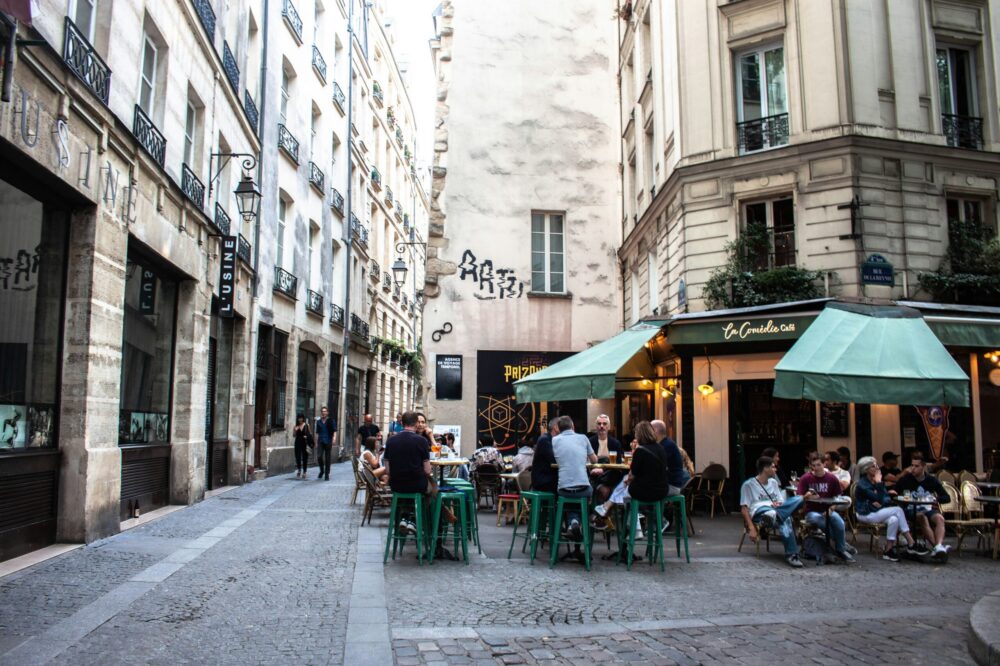
Photo by Nataliya Shemetova on Unsplash
Great article! I’m planning a trip for May 2026. You mentioned the new low-emission zone in Nice—does that apply to rental cars too, or just local traffic?
The low-emission zone applies to all vehicles, including rentals. You’ll need to register your car online or display a Crit’Air sticker. However, we recommend cycling or using public transport to avoid any hassle.
I’m curious about the tourist caps in Èze. How strict are they? Do I need to book in advance just to visit the village?
Yes, the caps are enforced during peak hours, especially in summer. It’s wise to book a timed entry slot online in advance for Èze and other popular hilltop villages. This helps manage crowds and ensures a pleasant visit.
Thanks for the tips on sustainable travel. Are there any eco-friendly hotels you’d recommend along the coast?
Absolutely! In Nice, consider the Hotel Le Negresco’s sustainable initiatives or the eco-certified La Perle in Antibes. For a greener stay in Saint-Tropez, the Hotel Byblos has implemented water-saving measures. Always check for labels like Green Key or EU Ecolabel.
I’m a bit confused about the train connections. Does the TER line cover all the way from Cannes to Menton, or are there gaps?
The TER line runs continuously from Cannes to Menton, stopping at all major towns including Antibes, Nice, Monaco, and more. Trains are frequent and reliable. For hilltop villages like Eze, you’ll need to take a bus or taxi from the nearest station.
The article mentions the new Monte Carlo Marathon in March 2026. Do you know if it’s a full marathon or half? Also, is the route spectator-friendly?
The Monte Carlo Marathon in 2026 includes both a full marathon (42.195 km) and a half marathon. The route runs along the coast, offering great views for spectators, especially around the Port Hercules and the Casino area. Check the official website for registration details.