
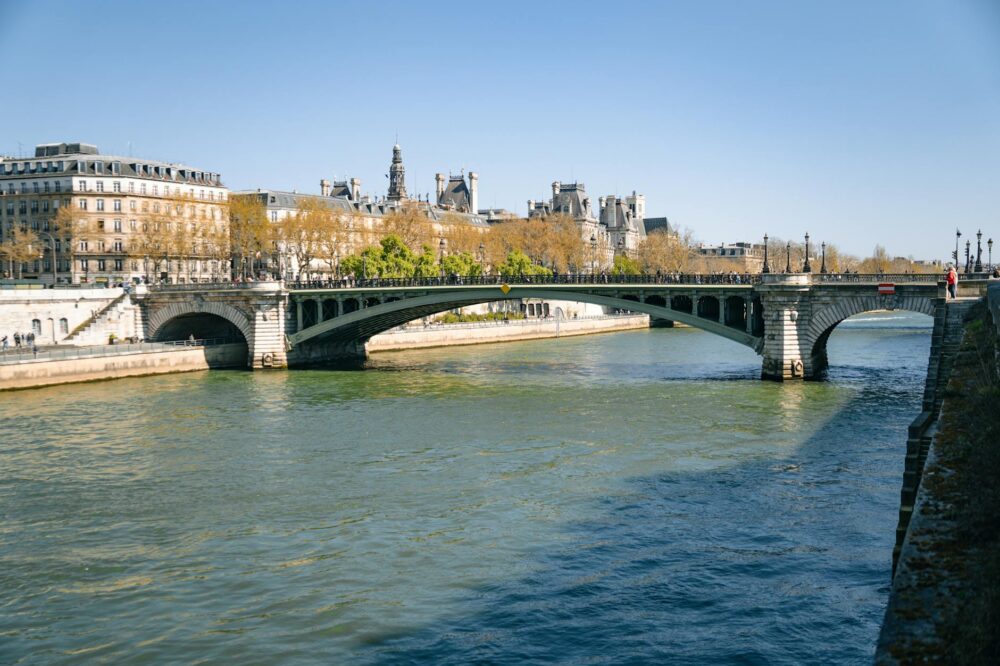
Paris in spring is often romanticized—cherry blossoms along the Seine, café terraces buzzing with life, and soft golden light. But the persistent question lingers: does it rain a lot in Paris in spring? The short answer is yes, but not as much as you might fear. Spring in Paris brings moderate rainfall, with April being the wettest month, but the showers are usually light and brief. This guide will give you the exact data, practical tips, and a realistic picture of what to expect, so you can plan your trip with confidence.
Table des matières:
How Much Rain Does Paris Get in Spring?
Paris experiences a temperate oceanic climate, meaning rainfall is spread fairly evenly throughout the year. Spring (March, April, May) sees an average of 45 to 55 mm of precipitation per month. That’s about 1.8 to 2.2 inches. To put it in perspective: London gets more rain, and New York gets about the same. Paris actually has fewer rainy days than many assume—around 10 to 12 days per month with measurable precipitation.
Monthly Breakdown of Spring Rainfall
| Month | Average Rainfall (mm) | Rainy Days | Sunshine Hours |
|---|---|---|---|
| March | 45 mm | 10 days | 165 hours |
| April | 55 mm | 12 days | 180 hours |
| May | 50 mm | 11 days | 200 hours |
As you can see, April is the wettest month, but even then, two-thirds of the days are dry. The rain often comes as a quick drizzle in the morning or late afternoon, leaving plenty of time for sightseeing.
Why Does Paris Feel Rainier Than It Is?
Perception matters. A light drizzle in a gray sky can feel more oppressive than a heavy downpour in a sunny climate. Paris’s spring weather is characterized by unpredictable shifts: a sunny morning can turn into a cloudy, misty afternoon, then clear up again by evening. This variability makes it seem rainier than the actual statistics suggest. Additionally, the city’s architecture—narrow streets and tall buildings—can trap moisture, creating a damp ambiance.
Common Misconceptions About Spring Rain in Paris
- Myth: It rains every day in spring. Reality: On average, it rains only 1 in 3 days.
- Myth: Spring is the rainiest season. Reality: Winter and autumn actually have slightly more rainfall.
- Myth: You need heavy rain gear. Reality: A light jacket and an umbrella usually suffice.
What to Expect: Types of Rain in Paris Spring
Not all rain is created equal. In spring, Paris experiences mostly drizzle and light rain, with occasional heavier showers. Thunderstorms are rare in spring (they peak in summer). The rain often comes with a drop in temperature, so a sunny 18°C day can suddenly feel like 12°C when clouds roll in. This is why layering is key.
How to Check the Forecast Like a Local
French weather apps like Météo-France or international ones like AccuWeather provide hourly forecasts. Look for the percentage of precipitation rather than just the rain symbol. A 30% chance often means a brief shower. Also, note the wind direction—southwest winds usually bring wet weather, while north winds bring dry, cooler air.
Packing for Spring Showers: A Practical Checklist
To stay comfortable and enjoy Paris regardless of the weather, pack these essentials:
- Compact umbrella – A sturdy, wind-resistant one is best.
- Waterproof jacket – A stylish trench coat or a packable rain shell works.
- Layered clothing – T-shirt, sweater, and jacket for temperature shifts.
- Water-resistant shoes – Avoid suede; opt for leather sneakers or boots.
- Quick-dry pants – Jeans can get heavy when wet; consider travel pants.
Best Indoor Activities for Rainy Days in Paris
When the weather turns wet, Paris offers countless indoor escapes. Here are top options:
- World-class museums: The Louvre, Musée d’Orsay, and Centre Pompidou can absorb hours.
- Covered passages: Explore historic arcades like Passage des Panoramas or Galerie Vivienne.
- Cafés and patisseries: Sip a café crème and people-watch while staying dry.
- Libraries and bookshops: Shakespeare and Company is a cozy haven.
- Department stores: Galeries Lafayette offers stunning architecture and shopping.
Does Spring Rain Affect Popular Attractions?
Most attractions in Paris are either indoors or can be enjoyed in light rain. The Eiffel Tower, for example, remains open, but the top might close in high winds. Outdoor sites like the Luxembourg Gardens are less enjoyable in heavy rain, but a quick shower won’t ruin a visit. Many tourists actually find that rain adds a romantic, moody atmosphere to the city, perfect for photography.
Tips for Outdoor Sightseeing in the Rain
- Start your day early when rain is less likely (morning showers are common but short).
- Use the Paris Museum Pass to skip lines and hop between indoor attractions.
- Carry a small towel to dry off benches or seats.
- Download offline maps so you can navigate without holding your phone in the rain.
Comparing Paris Spring Rain to Other Cities
To give you perspective, here’s how Paris stacks up against other popular spring destinations:
| City | Spring Rainfall (mm) | Rainy Days | Average Temperature (°C) |
|---|---|---|---|
| Paris | 50 mm | 11 | 12-18°C |
| London | 45 mm | 13 | 10-16°C |
| Rome | 40 mm | 8 | 15-22°C |
| New York | 100 mm | 12 | 10-20°C |
| Tokyo | 130 mm | 14 | 13-20°C |
Paris is actually one of the drier spring cities among major tourist destinations. The rain is less frequent and lighter than in London, and much less than in Tokyo or New York.
What Locals Do When It Rains
Parisians don’t let a little rain disrupt their lives. They carry a compact umbrella everywhere, wear stylish but practical coats, and continue their daily routines. Cafés with heated terraces under awnings are popular. Many locals use the rain as an excuse to visit a fromagerie or boulangerie and enjoy a leisurely indoor lunch. The key is to embrace the weather rather than fight it.
Frequently Asked Questions About Spring Rain in Paris
Does it rain every day in Paris in spring?
No. On average, rain falls on about 10 to 12 days per month, meaning two-thirds of spring days are dry. Even on rainy days, showers are often brief.
Is April the rainiest month in Paris?
Yes, April typically has the highest average rainfall (55 mm) and the most rainy days (12) of the spring months. However, it also has plenty of sunny intervals.
Should I bring an umbrella to Paris in spring?
Absolutely. A compact, wind-resistant umbrella is essential. It’s better to have it and not need it than to get caught in a sudden shower.
Can I still enjoy outdoor attractions when it rains?
Yes, light rain rarely stops outdoor activities. Many attractions remain open, and the rain often clears quickly. Just dress appropriately and have a backup indoor plan.
Is spring a good time to visit Paris despite the rain?
Yes. Spring offers mild temperatures, blooming gardens, and fewer crowds than summer. The rain is manageable and often adds to the city’s charm. It’s a great time for a cultural trip.
What is the best month for spring weather in Paris?
May is generally the best month: warmer temperatures (averaging 18°C), more sunshine (200 hours), and slightly less rain than April. It’s ideal for outdoor sightseeing.
Final Thoughts: Rain in Paris Spring – Not a Dealbreaker
So, does it rain a lot in Paris in spring? Statistically, no—but you should still be prepared. The rain is moderate, often light, and rarely lasts all day. With the right mindset and a few packing essentials, you can enjoy everything Paris has to offer, from the Eiffel Tower to hidden bookshops. Spring remains one of the most beautiful times to visit, with the city coming to life after winter. Don’t let the forecast deter you—just pack an umbrella and a sense of adventure.
Ready to book your trip? Use this guide to plan your spring Parisian adventure, rain or shine.
Photo by Juan Parra on Pexels

Great article! I’m planning a trip in mid-April. Should I expect more rain than in early May?
Yes, April is the wettest spring month with about 55 mm of rain over 12 days, compared to May’s 50 mm over 11 days. But the difference is small, so pack a light jacket and umbrella either way.
I always thought spring was the rainiest season in Paris. Good to know it’s actually winter and autumn.
That’s a common misconception! Winter and autumn each average slightly more rainfall than spring. Spring’s charm is the milder temperatures and blooming gardens, even with occasional showers.
What kind of jacket would you recommend for the unpredictable weather?
A lightweight, water-resistant jacket with a hood is ideal. Layering is key because temperatures can shift quickly when clouds roll in. Pair it with a compact umbrella for extra protection.
Does it rain more in the mornings or afternoons in spring?
Spring showers in Paris often come as a quick drizzle in the morning or late afternoon. Afternoons tend to be clearer, but it’s always good to check the hourly forecast for your specific days.
I’m worried about my outdoor plans. Do attractions close when it rains?
Most attractions in Paris operate rain or shine, though outdoor events might pause briefly. Museums, cafes, and covered markets are great rainy-day options. A light rain usually doesn’t disrupt much.
How accurate are weather apps for Paris? Should I trust AccuWeather or Météo-France?
Both are reliable. Météo-France is the national service and often very accurate for short-term forecasts. AccuWeather is also good. Pay attention to the precipitation percentage rather than just the rain icon.
Thanks for the myth-busting! I’ll just bring a light jacket and not overpack.
Exactly! A light jacket and compact umbrella are all you need. Spring rain in Paris is usually brief and light, so you’ll have plenty of dry moments to enjoy the city.