Planning a trip to Barcelona and unsure about your payment options? As a vibrant city blending historic charm with modern convenience, Barcelona offers a mix of payment methods, but it’s not always straightforward. Many travelers ask: Can I use credit cards everywhere in Barcelona, or do I need cash? The answer depends on where you go and what you do. In this guide, we’ll break down the realities of using credit cards and cash in Barcelona, helping you navigate payments with ease and avoid common pitfalls. Whether you’re dining at a trendy restaurant, shopping in local markets, or exploring cultural sites, understanding the payment landscape is key to a stress-free visit.
Table des matières:
Understanding Payment Culture in Barcelona
Barcelona, as a major European city and tourist hub, has embraced digital payments, but cash still holds importance in certain contexts. The city’s payment culture reflects a balance between modern technology and traditional practices. While credit and debit cards are widely accepted in urban areas and tourist spots, smaller establishments and local markets often prefer cash. This duality means travelers should be prepared for both scenarios. Knowing when to use cards versus cash can enhance your experience, ensuring smooth transactions and avoiding awkward moments. Let’s explore the specifics to help you answer the question: Can I use credit cards everywhere in Barcelona, or do I need cash?
Where Credit Cards Are Widely Accepted
In many parts of Barcelona, especially in central and tourist-focused areas, credit cards are a convenient and safe payment option. Major establishments typically accept Visa and Mastercard, with American Express and other cards less common but still usable in some places. Here are key locations where you can rely on cards:
- Hotels and Accommodations: Most hotels, from luxury chains to mid-range options, accept credit cards for bookings, deposits, and additional services.
- Restaurants and Cafés: In popular dining districts like El Born, Gràcia, and along La Rambla, credit cards are generally accepted, though some smaller tapas bars may have minimum spend requirements.
- Retail Stores and Shopping Centers: Large stores, international brands, and malls like El Corte Inglés or Maremagnum readily take cards, often with contactless payment options.
- Tourist Attractions and Museums: Sites such as Sagrada Família, Park Güell, and the Picasso Museum usually accept credit cards for tickets and souvenirs.
- Transportation: Public transport like the metro, buses, and taxis often accept cards, especially for larger fares or pre-paid tickets, but it’s wise to carry some cash for smaller transactions.
Using credit cards in these settings offers benefits like security, ease of tracking expenses, and potential rewards. However, it’s essential to inform your bank of your travel plans to avoid blocks on foreign transactions.
Where Cash Is Still Essential
Despite the prevalence of cards, cash remains crucial in certain situations in Barcelona. This is especially true in local, non-touristy areas or for smaller purchases. If you’re wondering, Can I use credit cards everywhere in Barcelona, or do I need cash? consider these scenarios where cash is often preferred or required:
- Local Markets and Street Vendors: Places like La Boqueria Market or flea markets typically operate on cash, as vendors may not have card terminals or prefer quick transactions.
- Small Shops and Family-Run Businesses: Boutiques, bakeries, and neighborhood stores in areas like El Raval or Poble Sec might only accept cash, especially for low-value items.
- Public Transportation for Small Fares: While cards work for metro tickets, buses and trams sometimes require exact change in cash, particularly for single rides or short trips.
- Tips and Gratuities: Tipping in Barcelona is not mandatory but appreciated; cash is the norm for leaving tips in restaurants, bars, or for tour guides.
- Emergency Situations: Having cash on hand can be a lifesaver if card terminals fail or in remote areas with limited payment options.
Carrying a moderate amount of euros ensures you’re prepared for these instances. ATMs are widely available, but be mindful of fees and withdrawal limits.
Tips for Managing Payments in Barcelona
To make the most of your trip, adopt a balanced approach to payments. Here are practical tips to help you navigate whether you can use credit cards everywhere in Barcelona or need cash:
Plan Your Payment Mix
Start by estimating your daily expenses and allocating funds accordingly. For larger purchases, meals at established restaurants, and hotel stays, rely on credit cards for security and convenience. Set aside cash for markets, small shops, and transportation. A good rule of thumb is to carry around 50-100 euros in cash per day, adjusting based on your itinerary. This mix reduces the risk of running out of cash while maximizing card benefits like fraud protection.
Choose the Right Cards and Notify Your Bank
Select credit cards with no foreign transaction fees to avoid extra charges. Visa and Mastercard are the most widely accepted, so prioritize these over American Express or Discover, which may have limited acceptance. Before traveling, notify your bank of your dates and destination to prevent unexpected declines. Additionally, enable contactless payments for faster transactions in places like stores and transport hubs.
Use ATMs Wisely
When withdrawing cash, use ATMs affiliated with major banks like CaixaBank, BBVA, or Santander, which are secure and often have English language options. Avoid independent ATMs in tourist areas, as they may charge higher fees. Withdraw larger amounts less frequently to minimize transaction costs, but keep safety in mind by not carrying excessive cash at once.
Be Aware of Minimum Spend and Fees
Some smaller businesses in Barcelona impose minimum spend requirements for card payments, often around 10-20 euros. Always ask before ordering if you plan to pay by card. Also, watch for dynamic currency conversion offers at payment terminals; opt to pay in euros to avoid poor exchange rates.
Common Scenarios and How to Handle Them
To further answer Can I use credit cards everywhere in Barcelona, or do I need cash? let’s look at specific travel situations:
Dining Out in Barcelona
In restaurants, credit cards are generally accepted, but it’s polite to check the bill for any card symbols or ask the server. For tapas bars or casual eateries, cash might be quicker, especially during busy hours. If splitting bills, cards can simplify the process, but some places prefer one card per table.
Shopping and Souvenirs
For high-end shopping or chain stores, cards are ideal. When buying souvenirs from street stalls or local artisans, cash is often the only option. Keep small bills handy for these purchases to avoid issues with change.
Exploring Beyond the City Center
If venturing to suburbs or rural areas near Barcelona, cash becomes more essential. Smaller towns may have limited card acceptance, so plan ahead by withdrawing extra euros.
Conclusion: Balancing Cards and Cash for a Smooth Trip
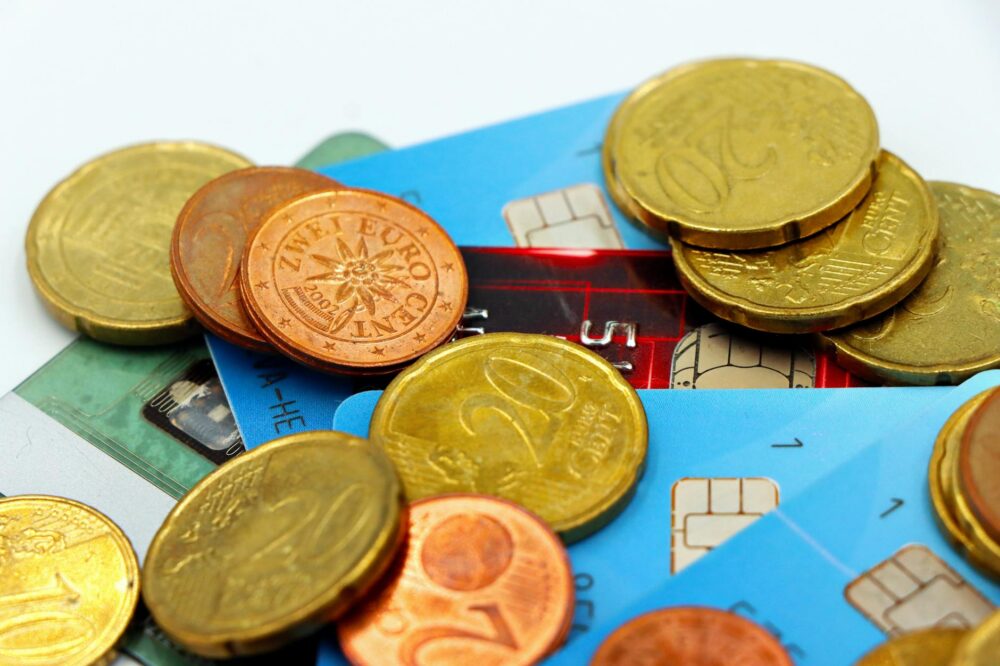
So, can you use credit cards everywhere in Barcelona, or do you need cash? The reality is that Barcelona offers a hybrid payment environment. Credit cards are convenient and secure in many settings, particularly in tourist and commercial areas, but cash remains vital for local experiences, small transactions, and emergencies. By adopting a balanced approach—using cards for major expenses and keeping cash for markets and tips—you can enjoy a hassle-free visit. Remember to inform your bank, choose fee-free cards, and use ATMs strategically. With this knowledge, you’re ready to explore Barcelona’s wonders without payment worries, making the most of your travel experience in this dynamic city.
Photo by Marta Branco on Pexels