

Paris is one of the most popular study destinations in the world, but its reputation for high living costs can be intimidating. So what is the cost of living in Paris for students? In 2025, a student living in Paris should budget between €900 and €1,400 per month, depending on lifestyle, housing type, and personal spending habits. This guide breaks down every major expense—from rent and groceries to transport and health insurance—so you can plan a realistic budget and avoid financial surprises.
Table des matières:
Monthly Budget Overview for Students in Paris
Before diving into details, here is a quick snapshot of average monthly costs for a student in Paris (excluding tuition fees):
| Expense Category | Low Budget (€) | Mid-Range (€) | High Budget (€) |
|---|---|---|---|
| Accommodation | 400 | 700 | 1,000+ |
| Groceries & Food | 200 | 300 | 400 |
| Transport | 35 | 85 | 100 |
| Utilities & Internet | 30 | 50 | 70 |
| Health Insurance | 20 | 50 | 80 |
| Leisure & Miscellaneous | 50 | 100 | 200 |
| Total | €735 | €1,285 | €1,850+ |
Accommodation: The Biggest Expense
Rent is by far the largest part of the cost of living in Paris for students. A studio in the city center can cost €800–€1,200 per month, while a room in a shared flat (colocation) ranges from €500 to €800. To save money, many students look for housing in the suburbs or apply for student residences (CROUS), which offer rooms for as low as €200–€400 per month. However, CROUS accommodation is limited and competitive.
Tips for Finding Affordable Housing
- Start your search early—at least 2–3 months before your arrival.
- Use websites like Leboncoin, SeLoger, and Appartager.
- Consider colocation (shared apartment) to split rent and bills.
- Look into housing aid (APL) from CAF—you may receive €100–€200 per month.
- Check if your university offers guaranteed housing options.
Food and Groceries
Eating in Paris can be as cheap or expensive as you make it. A typical student spends €200–€350 per month on food. Cooking at home is the most economical choice. Shopping at discount supermarkets like Lidl, Aldi, or Leclerc can keep your grocery bill under €200 per month. If you eat out occasionally, budget an extra €10–€15 per meal at a casual restaurant.
Student Meal Deals
University restaurants (Resto U) offer subsidized meals for around €3.30 each. With a student card, you can also get discounts at many bakeries and cafés. Packing lunch and using the university canteen are smart ways to reduce daily food costs.
Transportation Costs
Paris has an excellent public transport system (RATP). Students under 26 can get the Imagine R pass for €350 per year (about €29/month), which gives unlimited access to metro, bus, tram, and RER trains in Île-de-France. Alternatively, a monthly Navigo pass costs €85. If you bike, the Vélib’ bike-sharing system has student subscriptions for about €30 per year. Walking is free and often the fastest way for short distances.
Health Insurance and Healthcare
International students from outside the EU must register for French social security (Sécurité Sociale) to get basic health coverage. This costs around €20–€100 per year depending on your age and situation. Most students also take out complementary health insurance (mutuelle) for €20–€50 per month to cover dental, optical, and other costs not fully reimbursed.
Utilities, Internet, and Phone
If your rent does not include utilities, expect to pay:
- Electricity and gas: €30–€50 per month
- Internet: €25–€40 per month
- Mobile phone plan: €5–€20 per month (e.g., Free, SFR, Bouygues)
Many providers offer student discounts, so always ask.
Leisure, Entertainment, and Personal Expenses
Paris offers countless free or cheap activities: free museum days (first Sunday of each month), student discounts at cinemas (€6–€8), and parks like the Jardin du Luxembourg. A typical student spends €50–€150 per month on entertainment, including eating out, movies, and occasional travel. Gym memberships start at €20 per month.


Hidden Costs and Mistakes to Avoid
- Bank account: Some banks charge monthly fees; look for free student accounts (e.g., BNP Paribas, Société Générale).
- Visa fees: Budget for visa renewal costs (about €50–€100).
- Security deposit: Usually one month’s rent—plan ahead.
- Not applying for APL: Many students miss out on hundreds of euros in housing aid.
- Ignoring student discounts: Always carry your student ID and ask for reductions.
Cost of Living in Paris vs. Other French Cities
Paris is about 30–50% more expensive than cities like Lyon, Toulouse, or Montpellier. For example, rent in Lyon averages €400–€600 for a studio. However, Paris offers more part-time job opportunities and higher student wages (SMIC at about €11.65/hour in 2025). Many students find that the higher cost is offset by better access to internships and cultural life.
How to Save Money as a Student in Paris
Here is a practical checklist to keep your budget under control:
- ☐ Apply for CAF housing aid (APL) as soon as you sign a lease.
- ☐ Get the Imagine R transport pass for unlimited travel.
- ☐ Cook at least 5 meals per week at home.
- ☐ Use the university canteen (Resto U) for cheap lunches.
- ☐ Sign up for a free student bank account.
- ☐ Take advantage of free museum days and student discounts.
- ☐ Buy second-hand furniture and clothes (Emmaüs, Le Bon Coin).
- ☐ Share subscriptions (Netflix, Spotify) with friends.
Frequently Asked Questions (FAQ)
Is €800 per month enough for a student in Paris?
€800 is tight but possible if you find cheap housing (e.g., CROUS room), cook all meals, and use the Imagine R pass. Most students need at least €900–€1,000 for a comfortable lifestyle.
How much does a studio apartment cost in Paris for students?
A studio in the city center averages €800–€1,200 per month. In the suburbs, you can find studios for €500–€700. Shared apartments lower costs significantly.
Can international students work part-time in Paris?
Yes, international students with a valid student visa can work up to 964 hours per year (about 20 hours per week). The minimum wage is about €11.65/hour (2025).
Do students pay taxes in France?
Students with low income (below €15,000 per year) are generally exempt from income tax. However, you may owe housing tax if you live alone, but many students are exempt or receive reductions.
What is the cheapest way to eat in Paris as a student?
Cook at home using discount supermarkets (Lidl, Aldi). Use the university canteen (€3.30/meal). Avoid eating out frequently. Pack lunches and snacks.
How can I reduce my rent in Paris?
Share an apartment (colocation), live in the suburbs, apply for CROUS housing, and claim APL housing aid from CAF. Also consider living in a student residence (résidence étudiante).
Your Next Steps: Plan Your Paris Budget
Now that you know what is the cost of living in Paris for students, start building your personal budget. List your guaranteed income (scholarships, family support, part-time job) and compare it with the expenses above. Apply for housing aid early, open a free bank account, and always carry your student ID for discounts. With careful planning, Paris can be an affordable and unforgettable experience. Start your budget today and make the most of your student years in the City of Light.
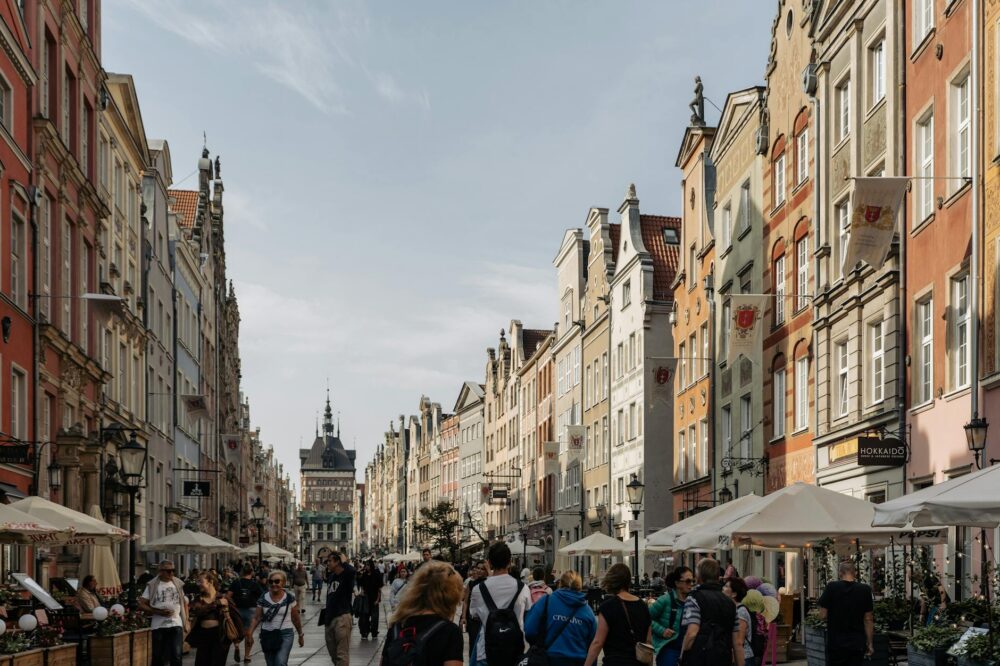
Photo by Filipe Nobre on Unsplash


What about health insurance? Is the €20-80 per month range accurate for students?
Yes, that range is accurate for 2025. If you’re from the EU/EEA, you can use your European Health Insurance Card (EHIC) for basic coverage, but you may still want top-up insurance (mutuelle) for extra services. Non-EU students are required to have health insurance, which typically costs around €20-50 per month for a basic plan through a provider like SMERRA or LMDE. More comprehensive plans can go up to €80.
Is the Imagine R pass really only €29 per month? That seems too good to be true for Paris transport.
Yes, it’s correct for students under 26. The Imagine R pass costs €350 per year, which works out to about €29 per month. You pay upfront or in installments, but it gives unlimited travel in the Île-de-France region. It’s a great deal if you plan to use public transport regularly.
I’m a bit confused about the housing aid (APL) from CAF. How do I apply for that?
Applying for APL is straightforward. You need to create an account on the CAF website (caf.fr) after you have a signed lease and a French bank account. You’ll need your passport, visa, proof of enrollment, and your landlord’s details. The amount you receive depends on your rent and income, typically €100-200 per month. It can take a few weeks to process, so apply as soon as you move in.
Thanks for the breakdown! I’m planning to study in Paris next year and was worried about costs. Do you have any tips for finding a shared apartment (colocation) as an international student?
Glad it helped! For colocation, start your search early on sites like Appartager or La Carte des Colocs. You can also join Facebook groups for international students in Paris. Make sure to have your documents ready (passport, visa, proof of enrollment) and be prepared to act fast when you find a good place. Also, consider visiting the apartment in person or asking a friend to check it out to avoid scams.