

Table des matières:
Why Studying in Rome Comes with Unique Hurdles
Rome is a dream destination for many international students. Its history, art, and vibrant culture are undeniable draws. However, studying in the Eternal City also presents specific challenges that can catch newcomers off guard. From navigating Italy’s famous bureaucracy to adapting to a different academic system, understanding these obstacles before you arrive can make your experience smoother. This guide breaks down the most common difficulties and offers practical advice to help you thrive.
1. Bureaucratic Hurdles: Permits, Visas, and Paperwork
Italy is notorious for its slow and complex bureaucracy. For international students, this often begins with the visa application process. You’ll need to gather numerous documents, including proof of enrollment, financial means, and health insurance. Even after arrival, you must apply for a permesso di soggiorno (residence permit) within eight days—a process that can involve long waits at the post office and police station.
Common Bureaucratic Challenges
- Language barrier: Most forms are in Italian, and officials may not speak English fluently.
- Appointment delays: Booking appointments online can be frustrating due to limited slots.
- Changing requirements: Rules can vary by nationality and update frequently.
Tip: Start your visa application at least three months before your departure. Join student groups on Facebook or WhatsApp to get up-to-date advice from peers who have recently gone through the process.
2. The Language Barrier: More Than Just Italian
While many universities offer programs in English, daily life in Rome requires at least basic Italian. From grocery shopping to dealing with landlords, you’ll encounter Italian everywhere. Even if your course is in English, professors may sometimes switch to Italian, and administrative staff often prefer it.
How to Cope
- Take an Italian language course before or during your studies.
- Use language exchange apps like Tandem or meetups to practice.
- Learn key phrases for common situations (e.g., at the post office, pharmacy, or supermarket).
Note: Romans appreciate any effort to speak Italian, even if you make mistakes. It can make interactions much friendlier.
3. Housing: Finding a Place in a Competitive Market
Rome’s rental market is tough, especially near universities. Prices have risen steadily, and demand often outstrips supply. Many apartments are old, with issues like thin walls, unreliable heating, or shared bathrooms. Scams are also common, targeting international students.
Checklist for Finding Accommodation
- Start early: Begin your search at least two months before arrival.
- Use reliable platforms: Sites like Immobiliare.it, Spotahome, or university housing offices are safer than random Facebook groups.
- Never pay without seeing: If possible, visit the apartment in person or ask a friend to do so.
- Get a contract: Ensure you sign a formal lease (contratto di affitto) to protect your rights.
Practical note: Be prepared for the caparra (deposit) which is typically three months’ rent. Also, factor in utility costs (gas, electricity, water) that may not be included.
4. Academic Differences: Teaching Styles and Assessment
Italian universities often have a more traditional, lecture-based approach compared to Anglo-Saxon systems. Class participation may be less emphasized, and exams are frequently oral rather than written. This can be intimidating for students used to multiple-choice tests and continuous assessment.
Key Differences to Expect
- Oral exams: You’ll need to defend your knowledge verbally in front of a professor.
- Heavy focus on theory: Courses may prioritize theoretical knowledge over practical application.
- Less frequent feedback: You might only receive grades at the end of the course.
Tip: Attend office hours to clarify expectations. Practice explaining concepts out loud to prepare for oral exams. Form study groups to share insights.
5. Cost of Living: Budgeting in an Expensive City
Rome is not cheap. While it’s less expensive than Milan or Paris, costs for rent, food, and transportation add up. International students often underestimate expenses like health insurance, phone plans, and travel.
Average Monthly Costs (in EUR)
| Expense | Estimated Cost |
|---|---|
| Rent (single room) | €400–€700 |
| Groceries | €200–€300 |
| Transportation (monthly pass) | €35 |
| Utilities & internet | €80–€120 |
| Health insurance | €150 (annual) |
| Miscellaneous (eating out, etc.) | €150–€250 |
Note: These are rough estimates. Costs vary depending on location and lifestyle. Always have a financial buffer for unexpected expenses.
6. Cultural Adjustment: More Than Just the Dolce Vita
Roman culture is rich but can be disorienting. The pace of life is slower in some ways (long lunches, late dinners) but chaotic in others (traffic, queues). Social norms around punctuality, personal space, and directness may differ from your home country.
Common Cultural Shocks
- Time flexibility: Meetings and classes may start late; appointments often run over.
- Social life centered on food: Meals are long and social, which can be isolating if you’re not used to it.
- Bureaucratic indifference: Officials may seem unhelpful; patience is key.
Tip: Embrace the differences. Join student associations or clubs to meet locals and other internationals. Learn to enjoy the slower moments—they’re part of the Roman experience.
7. Health and Well-being: Navigating Healthcare
Italy’s public healthcare system (SSN) is excellent, but accessing it as an international student can be confusing. You must register with the local health authority (ASL) and choose a general practitioner (GP). Many doctors speak limited English, and paperwork is in Italian.
Steps to Get Healthcare
- Obtain your permesso di soggiorno or receipt.
- Register with the ASL in your district.
- Choose a GP from a list.
- Get a health insurance card (tessera sanitaria).
Alternative: Some students opt for private insurance (e.g., Allianz, AXA) for faster access and English-speaking doctors.
8. Transportation: Getting Around an Ancient City
Rome’s public transport system (ATAC) includes buses, trams, metro, and trains. While extensive, it is often overcrowded, delayed, or affected by strikes. The metro has only three lines, so many areas rely on buses that get stuck in traffic.
Tips for Navigating Rome
- Buy a monthly pass for unlimited travel within the city.
- Use apps like Moovit or Google Maps for real-time updates.
- Consider walking or biking for short trips—Rome is surprisingly walkable.
- Be aware of strike days (often announced in advance).
Note: Validate your ticket before boarding; fines for forgetting are steep (around €100).
9. Social Life and Loneliness: Building a Community
Moving to a new city can be lonely. Making friends in Rome requires effort, especially if you don’t speak Italian. Many students find themselves isolated initially, as locals may already have established friend groups.
Ways to Connect
- Join Erasmus+ or international student networks.
- Attend events at your university’s cultural center.
- Volunteer or join a sports club.
- Use apps like Meetup to find events in English.
Tip: Be proactive. Invite classmates for coffee or a walk after class. Romans are friendly once you break the ice.
10. Managing Expectations: The Reality vs. The Dream
Rome is romanticized in movies and travel blogs. The reality includes strikes, trash collection issues, and tourist crowds. It’s easy to feel disappointed when daily hassles pile up. However, accepting these imperfections can help you appreciate the city’s unique charm.
Mindset shift: Treat challenges as part of the adventure. Every difficulty is a story you’ll tell later. Focus on the incredible access to history, art, and cuisine that few cities can match.
Frequently Asked Questions About Studying in Rome
Is it hard to find part-time work as a student in Rome?
Yes, the job market is competitive, and most positions require Italian fluency. EU students can work up to 20 hours per week, but non-EU students face restrictions. Tutoring English or working in tourism are common options.
Do I need to speak Italian to survive?
While you can get by with English in academic settings and tourist areas, learning Italian greatly enhances your experience and helps with daily tasks like dealing with bureaucracy.
How do I open a bank account in Rome?
You’ll need your passport, visa/permit, and proof of address. Some banks, like UniCredit and Intesa Sanpaolo, offer student accounts with low fees.
What are the best neighborhoods for students?
Popular areas include San Lorenzo (near La Sapienza), Trastevere (vibrant but pricey), and Prati (quieter, near Vatican). Consider proximity to your university and public transport.
Can I use my home country’s health insurance?
Possibly, but check if it covers Italy. Many students buy additional private insurance or register with the SSN for comprehensive coverage.
How do I deal with homesickness?
Stay connected with family via video calls, but also immerse yourself in local life. Create a routine, explore the city, and join student groups to build a support network.
Your Next Steps: Turning Challenges into Opportunities
Studying in Rome is not without its difficulties, but with preparation and the right mindset, you can overcome them. Start your visa process early, learn some Italian, budget carefully, and be open to new experiences. The challenges you face will build resilience and make your time in Rome unforgettable. Remember: every obstacle is a chance to grow. Buona fortuna!
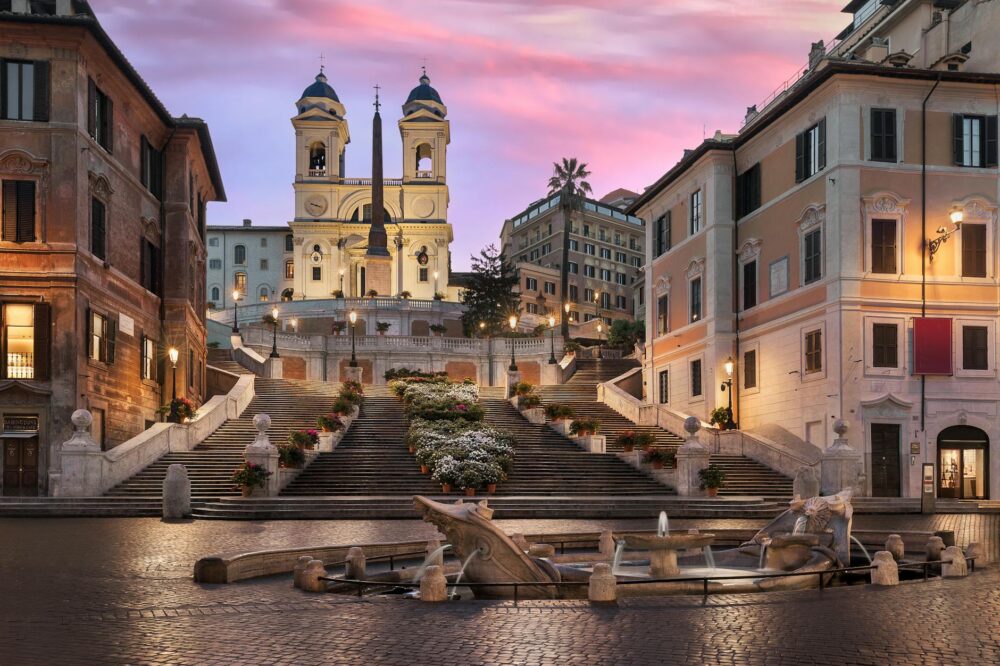
Photo by Gabriella Clare Marino on Unsplash



Great article! I’ve been studying in Rome for a semester and the language barrier is real. Even though my course is in English, I struggle with everyday tasks. Any tips for learning Italian quickly?
Glad you found it helpful! For quick progress, try combining a structured course (even a short intensive one) with daily practice. Use apps like Duolingo for vocabulary and Tandem for speaking with locals. Also, label items around your home with Italian words. Most importantly, don’t be shy to speak—Romans are generally patient and appreciate the effort.
I’m planning to apply for a master’s in Rome next year. The visa process sounds daunting. Is there any way to fast-track the permesso di soggiorno application?
Unfortunately, there’s no official fast-track for the permesso di soggiorno. However, you can save time by booking your appointment at the post office (for the kit) as soon as you arrive—some students recommend going early in the morning. Also, ensure all your documents are photocopied and ready. Joining student groups on Facebook can help you stay updated on any changes.
Thanks for the housing tips. I’ve heard about rental scams targeting students. What red flags should I look out for when searching for an apartment online?
Key red flags include landlords asking for a deposit before you’ve seen the apartment, prices that seem too good to be true, and listings with only a few blurry photos. Always insist on a video call or in-person visit. Also, avoid paying via wire transfer; use secure platforms or pay in person after signing a contract. If a landlord pressures you to decide quickly, that’s another warning sign.