

Table des matières:
Introduction
Amsterdam’s Red Light District (De Wallen) is one of the most visited neighborhoods in the city, drawing millions of tourists each year. Its narrow alleys, historic architecture, and unique atmosphere make it a tempting place for photography. But if you’re asking, Can I take photos in the Red Light District?, the short answer is: it depends. Taking pictures of sex workers in their windows is strictly prohibited and considered disrespectful. However, other types of photography may be allowed with caution. This article explains the rules, etiquette, and practical tips for taking photos in this iconic area.
Understanding the Rules: Can I Take Photos in the Red Light District?
The most important rule is: never photograph or film sex workers. This is not only a matter of respect but also a legal issue. Sex workers in Amsterdam are protected by strict privacy laws, and taking their picture without consent is illegal. Violators can face fines, confiscation of equipment, or even arrest. The same applies to recording them through video or live streaming.
What About the Buildings and Streets?
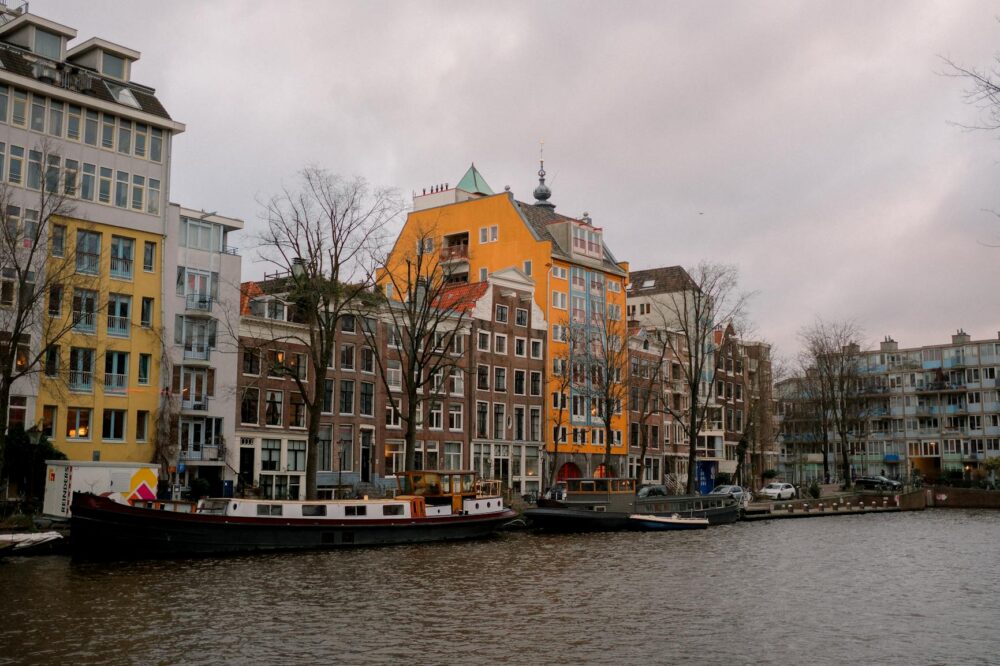
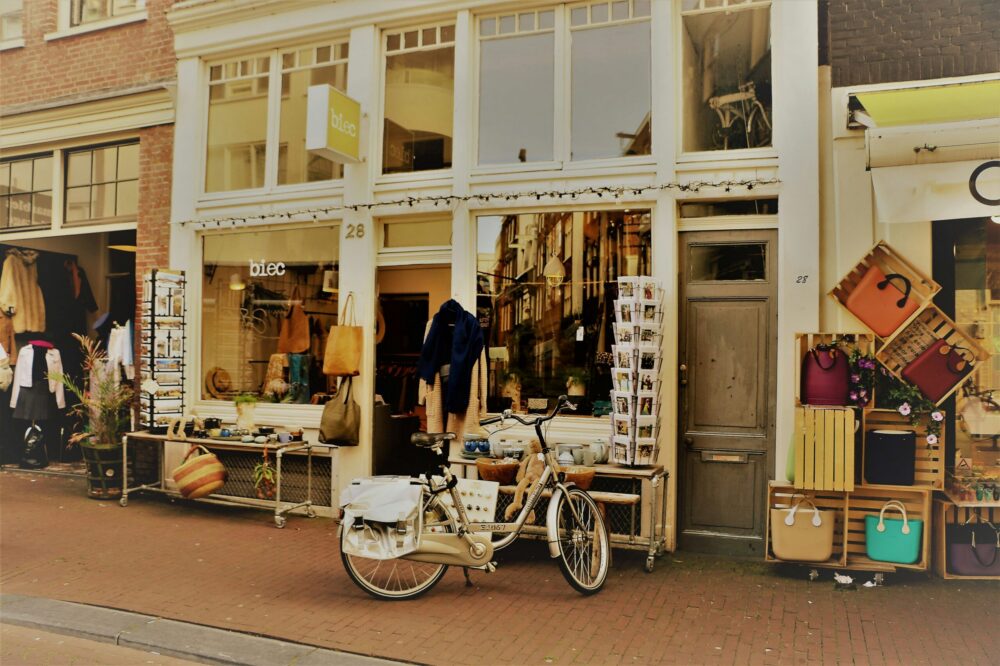
You are generally allowed to take photos of the buildings, canals, and streets in the Red Light District, as long as you avoid capturing people in compromising situations. However, many establishments—such as coffee shops, sex theaters, and peep shows—have a strict no-photography policy inside. Always look for signs or ask staff before taking photos.
Is It Legal to Take Photos of People in the District?
Photographing people in public spaces is generally legal in the Netherlands, but the Red Light District is a sensitive area. Even if you capture tourists or passersby, you should respect their privacy. If someone asks you not to take their photo, delete it immediately. For street photography, it’s best to use a discreet camera or smartphone and avoid drawing attention.
Why Photography of Sex Workers Is Prohibited
Sex work is legal in the Netherlands, but workers have the same rights to privacy as anyone else. Many choose to remain anonymous due to stigma or safety concerns. Taking their photo can lead to harassment, identification, or even danger from clients or family members. The local government and police enforce these rules strictly to protect the workers. Remember: these women and men are not tourist attractions—they are professionals doing a job.
Consequences of Ignoring the Rules
If you’re caught taking photos of sex workers, you can expect serious repercussions:
- Fines: Up to several hundred euros.
- Confiscation: Your camera or phone may be seized as evidence.
- Arrest: In severe cases, you could be detained.
- Verbal confrontation: Bouncers or workers may yell at you or physically intervene.
Police patrol the area regularly, and plainclothes officers may be watching. It’s not worth the risk.
Etiquette for Taking Photos in the Red Light District
Even if you’re allowed to photograph certain aspects, follow these etiquette tips to be respectful:
- Never point your camera at windows with red lights. This is a clear sign of sex workers.
- Avoid taking photos of people without permission. This includes tourists and locals.
- Be discreet. Use a small camera or smartphone instead of a large DSLR.
- Don’t use flash. It can be intrusive and draw unwanted attention.
- Respect no-photography signs. Many shops and venues have them.
- If asked to delete a photo, do so without argument.
Alternatives to Taking Photos
If you want to capture memories of the Red Light District without breaking rules, consider these options:
- Take photos from a distance. Shoot from a bridge or across a canal to capture the ambiance without focusing on windows.
- Photograph the architecture. The historic buildings and narrow streets are beautiful.
- Visit during the day. The area is less crowded and less sensitive.
- Buy postcards or prints. Professional photos are available legally.
- Take a guided tour. Some tours allow photography in certain spots.
Frequently Asked Questions
Can I take photos of the Red Light District at night?
Nighttime is when the red lights are most prominent, and photography is more sensitive. The same rules apply: no photos of workers. Be extra cautious as it’s busier and enforcement is active.
Are selfies allowed in the Red Light District?
Selfies are generally allowed as long as they don’t include sex workers in the background. Watch your framing to avoid accidentally capturing them.
Can I use a drone to take photos?
Drones are heavily restricted in Amsterdam, especially in crowded areas like the Red Light District. Flying a drone without a permit is illegal and can result in fines.
What if I accidentally capture a sex worker in my photo?
If you realize you’ve captured one, delete the photo immediately. Do not post it online. If someone confronts you, apologize and delete it in front of them.
Conclusion
So, can I take photos in the Red Light District? Yes, but with strict limitations. You can photograph the architecture, canals, and streets, but never the sex workers in their windows. Respect the rules and the people who work there. By being mindful and discreet, you can capture the unique atmosphere of De Wallen without causing offense or getting into trouble. Remember: a good photo is not worth disrespecting someone’s privacy or breaking the law.
Photo by andriish22 on Pixabay
I’m planning a trip to Amsterdam and was wondering if I can take photos of the Red Light District from a boat on the canal? Would that be allowed?
Yes, photographing from a canal boat is generally allowed as long as you avoid capturing sex workers in their windows. Focus on the architecture and canalscape. Be mindful not to point your camera directly at the windows with red lights, even from the water.
Great article! I’d add that even if you think a window is empty, it’s best to avoid taking any photos that could accidentally capture a worker. I always keep my camera down when walking through the narrow alleys.
That’s an excellent point. It’s wise to err on the side of caution. Many tourists unintentionally photograph workers by not being aware of their surroundings. Keeping your camera lowered until you’re in a safe spot is a good habit.