As 2026 approaches, wine enthusiasts and travelers are already dreaming of exploring the storied vineyards of France. With its rich history, diverse terroirs, and world-renowned wines, France offers an unparalleled experience for those seeking to immerse themselves in viticulture. But with so many regions and options available, planning the perfect trip can be overwhelming. This guide will answer the question: what are the best ways to explore French vineyards in 2026? We’ll cover everything from practical planning tips and top destinations to sustainable practices and unique experiences, ensuring your journey is both memorable and seamless.
Table des matières:
Why 2026 Is a Great Year to Explore French Vineyards
2026 presents a unique opportunity for vineyard exploration in France. The wine industry is evolving with a focus on sustainability, technology, and enhanced visitor experiences. Many wineries are investing in eco-friendly practices and digital tools, making tours more interactive and accessible. Additionally, post-pandemic travel trends favor immersive, slow travel, aligning perfectly with the deep dives into wine culture that French regions offer. By planning ahead for 2026, you can take advantage of these advancements and avoid the crowds of peak seasons, ensuring a more personalized visit.
Planning Your French Vineyard Adventure in 2026
Effective planning is key to making the most of your trip. Start by defining your goals: are you interested in tasting specific wines, learning about winemaking processes, or simply enjoying scenic landscapes? Research regions that match your interests, and consider factors like climate, harvest times, and local events. Booking accommodations and tours well in advance is crucial, as popular wineries and hotels fill up quickly, especially in peak months from May to October.
Essential Tips for a Smooth Experience
To ensure a hassle-free exploration of French vineyards in 2026, keep these tips in mind:
- Book Early: Reserve tours, tastings, and accommodations at least 6-12 months ahead, particularly for renowned estates.
- Consider a Guide: Hiring a local guide or joining a guided tour can provide insider knowledge and access to exclusive wineries.
- Travel Light: Pack comfortable shoes for vineyard walks and a notebook to jot down tasting notes.
- Respect Local Customs: Familiarize yourself with basic French etiquette, such as greeting staff politely and pacing your tastings.
Top French Vineyard Regions to Explore in 2026
France is home to numerous wine regions, each with its own character and specialties. Here are some of the best areas to focus on when exploring French vineyards in 2026.
Bordeaux: A Classic Choice
Bordeaux remains a must-visit for wine lovers, known for its prestigious red blends and historic châteaux. In 2026, look for tours that highlight sustainable practices, as many estates are adopting organic and biodynamic methods. Key appellations include Médoc, Saint-Émilion, and Pomerol. Consider visiting during the off-season (November to March) for a quieter experience, though spring and fall offer pleasant weather and vibrant landscapes.
Burgundy: For Pinot Noir and Chardonnay Fans
Burgundy’s intimate vineyards produce some of the world’s finest Pinot Noir and Chardonnay. Exploring this region in 2026 allows you to delve into terroir-driven wines and meet passionate small-scale producers. Focus on areas like Côte de Nuits and Côte de Beaune, and book tastings at family-run domains for an authentic touch. The annual Hospices de Beaune auction in November is a highlight for enthusiasts.
Champagne: Bubbles and Beyond
No exploration of French vineyards is complete without a visit to Champagne. Beyond tasting sparkling wines, 2026 offers opportunities to explore underground cellars and learn about traditional méthode champenoise. Reims and Épernay are key hubs, with many houses offering immersive tours that include food pairings. Look for smaller growers (récoltants-manipulants) for a unique perspective.
Rhône Valley: Diversity and Sunshine
The Rhône Valley boasts a warm climate and diverse wines, from robust reds in the north (e.g., Côte-Rôtie) to fruity blends in the south (e.g., Châteauneuf-du-Pape). In 2026, consider bike tours through vineyards or river cruises along the Rhône for a scenic approach. This region is also embracing agritourism, with many wineries offering lodging and hands-on activities.
Best Ways to Explore French Vineyards in 2026: Methods and Experiences
How you choose to explore can greatly impact your experience. Here are some of the best ways to explore French vineyards in 2026, tailored to different preferences and budgets.
Self-Guided Tours for Flexibility
For independent travelers, self-guided tours offer the freedom to set your own pace. Rent a car and map out a route through regions like Loire Valley or Alsace, stopping at wineries along the way. Use apps and online resources to book tastings in advance, and don’t hesitate to explore lesser-known appellations for hidden gems. This method is ideal for those who enjoy spontaneity and deep dives into local culture.
Guided Tours for Expertise and Access
Guided tours provide structured itineraries and expert insights, making them a top choice for first-time visitors or those seeking convenience. Options range from small-group day trips to multi-region packages. In 2026, look for tours that emphasize sustainability, such as electric vehicle excursions or walks with local vintners. These tours often include visits to exclusive estates not open to the public.
Immersive Experiences for Deeper Connection
To truly understand French viticulture, consider immersive experiences like harvest participation, blending workshops, or cooking classes with wine pairings. Many wineries in regions like Provence and Languedoc offer these activities, allowing you to engage directly with the winemaking process. In 2026, expect more tech-enhanced options, such as virtual reality tours or app-based tasting notes, adding a modern twist to traditional practices.
Sustainable and Responsible Exploration in 2026
Sustainability is becoming a priority in French wine tourism. When exploring French vineyards in 2026, seek out wineries with certifications like HVE (High Environmental Value) or organic labels. Support local businesses by dining at regional restaurants and purchasing wines directly from producers. Reduce your carbon footprint by using public transport, biking, or joining group tours. This not only benefits the environment but also enriches your experience by connecting you with community-focused initiatives.
Eco-Friendly Practices to Look For
- Organic and Biodynamic Farming: Wineries that avoid synthetic chemicals and promote biodiversity.
- Energy Efficiency: Estates using solar power or rainwater harvesting systems.
- Waste Reduction: Initiatives like recycling programs or lightweight packaging.
- Community Engagement: Wineries that support local economies and cultural preservation.
Practical Considerations for 2026 Travel
Beyond vineyards, practical details can make or break your trip. France is generally safe and well-connected, but it’s wise to check travel advisories and health guidelines as 2026 approaches. The euro is the local currency, and credit cards are widely accepted, though carrying cash is useful in rural areas. Learn a few basic French phrases to enhance interactions, and always designate a driver if you’re tasting wines. Pack for variable weather, as conditions can change quickly, especially in mountainous regions like Savoie.
Budgeting for Your Vineyard Exploration
Costs can vary widely based on your travel style. Here’s a rough estimate for a mid-range trip in 2026:
- Accommodation: €80-€150 per night for hotels or B&Bs.
- Tastings: €10-€50 per person, depending on the winery.
- Transport: €50-€100 per day for car rental or train tickets.
- Food: €30-€70 per day for meals.
- Guided Tours: €50-€200 per person for day trips.
Plan a budget that allows for flexibility, and consider travel insurance for peace of mind.
Conclusion: Start Planning Your 2026 French Vineyard Journey
Exploring French vineyards in 2026 offers a chance to connect with centuries-old traditions while embracing modern innovations. Whether you opt for a self-guided adventure through Bordeaux, a guided tour in Champagne, or an immersive experience in Burgundy, the key is to plan ahead and stay open to new discoveries. By focusing on sustainability, local engagement, and personal interests, you’ll create memories that last long after the trip ends. So, as you ask, “What are the best ways to explore French vineyards in 2026?” remember that the answer lies in blending preparation with passion, ensuring a journey as rich and complex as the wines themselves.
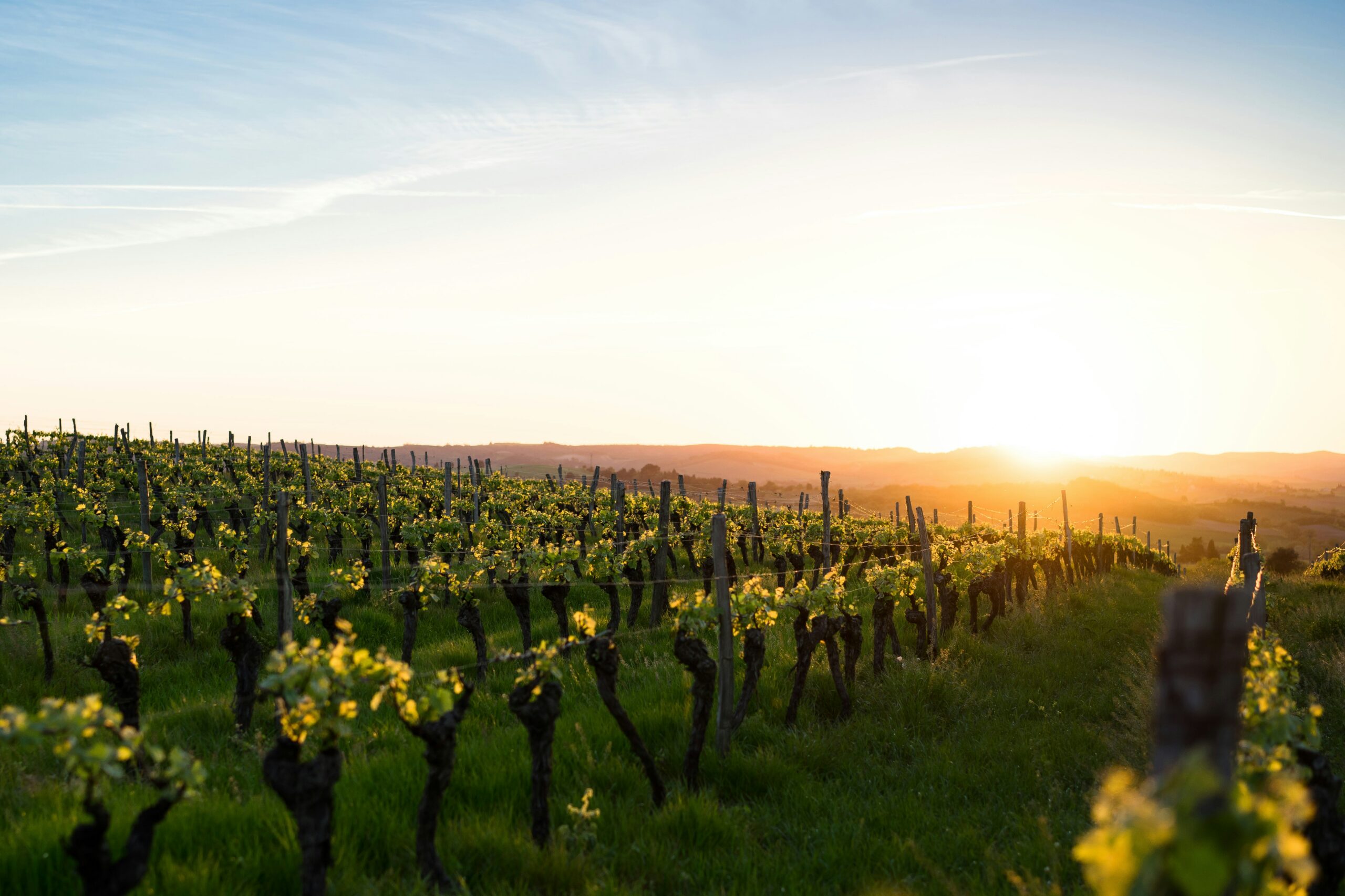
Photo by Boudewijn Boer on Unsplash